
Feeling Healthy? These Blood Tests Say Otherwise

Feeling Healthy? These Blood Tests Say Otherwise
“I feel completely fine.”
It’s one of the most common responses people give when asked about their health. No pain. No fever. No visible symptoms. So everything must be normal — right?
Not necessarily.
Many serious health conditions begin silently. You may look healthy, feel energetic, and continue your daily routine — while hidden imbalances develop inside your body. The only way to detect these early changes is through routine blood tests.
Blood tests are not just for sick people. They are powerful preventive tools that can uncover problems long before symptoms appear. Let’s explore the most important blood tests that can reveal what your body might not be telling you.
Why Blood Tests Matter — Even If You Feel Healthy
Your blood carries oxygen, nutrients, hormones, and waste products. Any imbalance in the body often reflects in your blood before symptoms start.
Routine blood testing helps to:
- Detect diseases early
- Monitor organ function
- Identify nutritional deficiencies
- Assess heart risk
- Prevent long-term complications
- Track chronic conditions
Many heart attacks, strokes, kidney failures, and diabetes cases could have been prevented with early blood screening.
1. Complete Blood Count (CBC)
A Complete Blood Count (CBC) is one of the most basic yet powerful tests.
What It Checks:
- Red blood cells (RBCs)
- White blood cells (WBCs)
- Hemoglobin
- Platelets
What It Can Detect:
- Anemia
- Infections
- Inflammation
- Blood disorders
- Early signs of serious illnesses
Why It’s Important:
You may feel “slightly tired” and ignore it — but a CBC could reveal anemia or underlying infection. A simple test can explain fatigue, weakness, or frequent infections before they worsen.
2. Fasting Blood Sugar & HbA1c
Type 2 diabetes is one of the fastest-growing silent diseases.
Fasting Blood Sugar:
Measures sugar levels after 8–10 hours of fasting.
HbA1c:
Shows average blood sugar levels over the past 3 months.
Why It Matters:
- Heart disease
- Kidney failure
- Nerve damage
- Vision problems
Early detection allows lifestyle correction and prevents lifelong complications.
3. Lipid Profile (Cholesterol Test)
High cholesterol has no symptoms — until it blocks arteries.
This Test Measures:
- Total cholesterol
- LDL (Bad cholesterol)
- HDL (Good cholesterol)
- Triglycerides
Why It’s Dangerous:
- Heart attack
- Stroke
- Poor circulation
Many people with normal weight still have abnormal cholesterol levels. Only a blood test can confirm your risk.
4. Liver Function Test (LFT)
Your liver performs over 500 vital functions, including detoxification and metabolism.
LFT Evaluates:
- Liver enzymes
- Bilirubin levels
- Protein levels
What It Can Detect:
- Fatty liver
- Hepatitis
- Liver inflammation
- Alcohol-related damage
- Medication side effects
Fatty liver disease often shows no symptoms in early stages — but it can progress to cirrhosis if ignored.
5. Kidney Function Test (KFT)
Your kidneys filter waste and regulate fluid balance.
KFT Includes:
- Serum creatinine
- Blood urea
- Electrolytes
- eGFR
Why It’s Important:
Kidney disease progresses silently. By the time symptoms like swelling or fatigue appear, significant damage may already be done.
Regular testing is especially crucial for:
- Diabetics
- Hypertensive patients
- Individuals over 40
6. Thyroid Profile
Thyroid disorders are extremely common — especially among women.
Tests Include:
- TSH
- T3
- T4
What It Can Reveal:
- Hypothyroidism (underactive thyroid)
- Hyperthyroidism (overactive thyroid)
Symptoms Often Ignored:
- Weight changes
- Hair fall
- Mood swings
- Irregular periods
- Fatigue
Many people blame stress — when the real issue is hormonal imbalance.
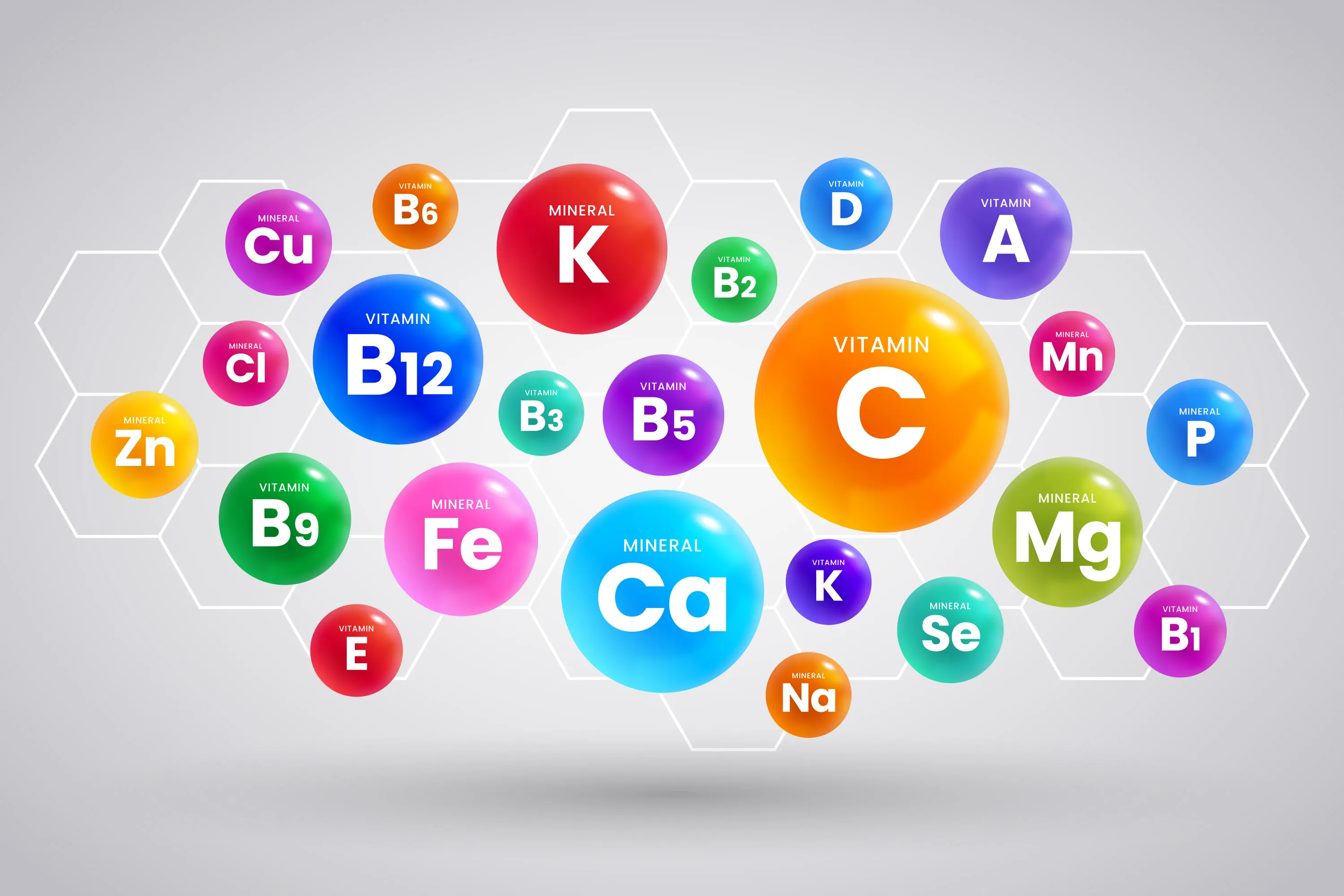
7. Vitamin D & Vitamin B12 Levels
Modern indoor lifestyles have led to widespread vitamin deficiencies.
Low Vitamin D Can Cause:
- Bone pain
- Weak immunity
- Fatigue
- Depression
Low Vitamin B12 Can Cause:
- Numbness
- Memory issues
- Anemia
- Weakness
8. Inflammatory Markers (CRP)
C-reactive protein (CRP) measures inflammation in the body.
Chronic inflammation is linked to:
- Heart disease
- Autoimmune disorders
- Infections
High-sensitivity CRP (hs-CRP) helps assess heart risk even when other tests look normal.
9. PSA (For Men Above 50)
Prostate-Specific Antigen (PSA) helps detect early prostate issues.
Prostate problems may not show symptoms in early stages. Regular screening improves early detection and treatment success.
10. Iron Studies
Iron deficiency is common, especially in women.
- Poor concentration
- Hair thinning
- Reduced immunity
- Chronic fatigue
Many people adapt to low energy levels without realizing a deficiency is the cause.
How Often Should You Get Blood Tests?
- Age 20–30: Basic screening every 1–2 years
- Age 30–40: Annual health checkups
- Above 40: Comprehensive screening every year
If you have:
- Family history of diabetes or heart disease
- Obesity
- Stressful lifestyle
- Hypertension
You may need more frequent monitoring.
Common Myths About Blood Tests
Myth 1: “I exercise daily, so I don’t need tests.”
Reality: Even fit individuals can have high cholesterol or thyroid imbalance.
Myth 2: “No symptoms means no disease.”
Reality: Most chronic diseases are silent initially.
Myth 3: “I’m too young.”
Reality: Diabetes and cholesterol problems are now common in people under 35.
Early Detection = Lower Risk + Lower Cost
Treating advanced disease is:
- Expensive
- Stressful
- Risky
Preventive blood tests are:
- Affordable
- Quick
- Simple
- Life-saving
Spending one hour on a health checkup can prevent years of complications.
Warning Signs You Should Never Ignore
- Unexplained fatigue
- Sudden weight gain or loss
- Hair fall
- Frequent headaches
- Increased thirst
- Irregular sleep
- Mood swings
These may be subtle signals of deeper imbalance.
Your Health Is an Investment, Not an Expense
We regularly service our vehicles, update our phones, and maintain our homes. But when was the last time you checked your body?
Blood tests are not about fear — they are about awareness. They give you control over your health. They allow you to make informed decisions. They provide peace of mind.
The Bottom Line
Feeling healthy does not always mean being healthy.
Silent imbalances can quietly affect your heart, liver, kidneys, thyroid, and blood sugar levels — long before symptoms appear.
A simple blood test today can prevent a major health crisis tomorrow. Don’t wait for your body to send distress signals. Take charge. Get tested. Stay informed. Stay healthy.
Common Questions Patients Ask
Conclusion & Call to Action
Scans can sound confusing, but they’re simply different tools for different problems. Ultrasound is quick and safe, CT is fast and detailed, and MRI is precise for soft tissues.
At Truscan Diagnostics, JP Nagar, you don’t have to decide alone. Our doctors and technicians guide you to the right test — no unnecessary scans, no confusion.
Still unsure which scan you need? Call us today and get expert advice before booking your appointment.
Truscan Diagnostics, JP Nagar, Bengaluru