
Which Diagnostic Tests Are Essential After Age 30?

Turning 30? These Essential Health Tests Should Not Be Ignored
Turning 30 is a milestone. It’s the age when many people feel settled in their careers, families, and routines. But internally, your body begins to change in subtle ways.
Metabolism slows down. Stress levels increase. Hormonal fluctuations begin. Lifestyle-related risks gradually build up. And unfortunately, many chronic diseases start developing silently during this decade.
The truth is: Health after 30 requires proactive monitoring — not reactive treatment.
Regular diagnostic tests are not a luxury. They are a necessity. Let’s explore the essential tests that every individual should consider after the age of 30.
Why Age 30 Is a Turning Point for Health
After 30, your body experiences:
- Slower metabolism
- Reduced muscle mass
- Gradual increase in cholesterol levels
- Increased insulin resistance
- Higher stress impact
- Hormonal shifts
While you may still feel energetic, internal changes may already be in progress. Preventive testing at this stage helps detect early warning signs before serious disease develops.
1. Blood Pressure Monitoring
High blood pressure often begins in the early 30s due to stress, poor diet, and sedentary habits.
Why It’s Mandatory:
- Heart damage
- Brain complications
- Kidney disease
- Blood vessel injury
It rarely causes symptoms until complications occur.
How Often: At least once every 6–12 months.
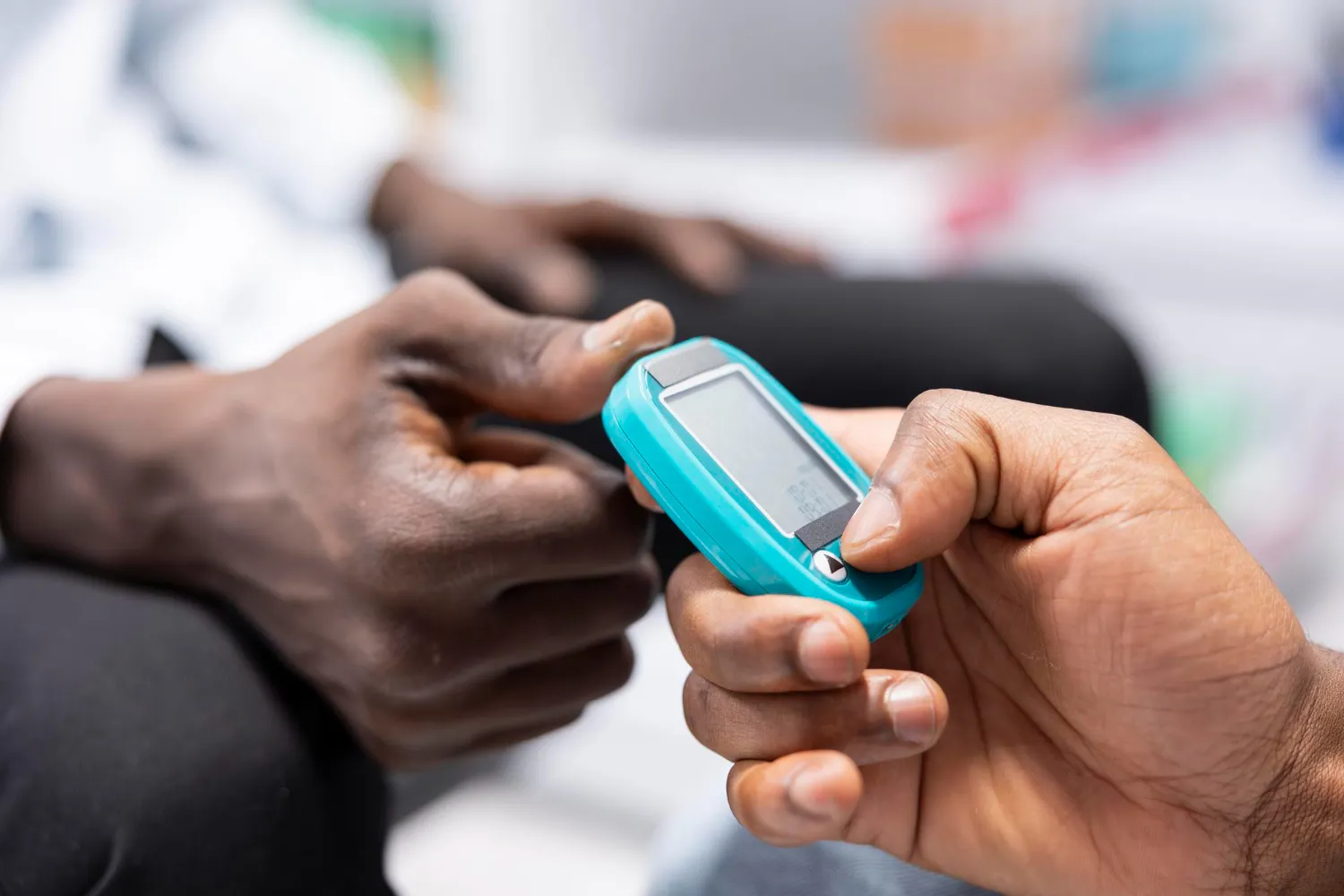
2. Blood Sugar Tests (Fasting & HbA1c)
Diabetes is no longer a disease of old age. It is increasingly common in young adults.
Essential Tests:
- Fasting Blood Sugar
- Postprandial Blood Sugar
- HbA1c
Why It’s Important:
- Nerve damage
- Kidney disease
- Vision loss
- Heart disease
If you have family history or are overweight, testing is even more crucial.
3. Lipid Profile (Cholesterol Test)
After 30, cholesterol levels can gradually rise — even without symptoms.
What It Measures:
- LDL (Bad cholesterol)
- HDL (Good cholesterol)
- Triglycerides
- Total cholesterol
High cholesterol is a leading cause of heart attacks in people under 45. Annual testing helps assess heart risk early.
4. Thyroid Profile
Thyroid imbalance is extremely common, especially in women.
Tests Include:
- TSH
- T3
- T4
Symptoms Often Overlooked:
- Weight gain
- Fatigue
- Hair fall
- Mood swings
- Irregular menstrual cycles
Undiagnosed thyroid issues can affect fertility, heart health, and metabolism.
5. Liver Function Test (LFT)
With modern diets high in processed food and low physical activity, fatty liver disease is rising sharply.
Fatty liver often has no symptoms initially but may progress to liver inflammation, cirrhosis, or even liver failure if ignored.
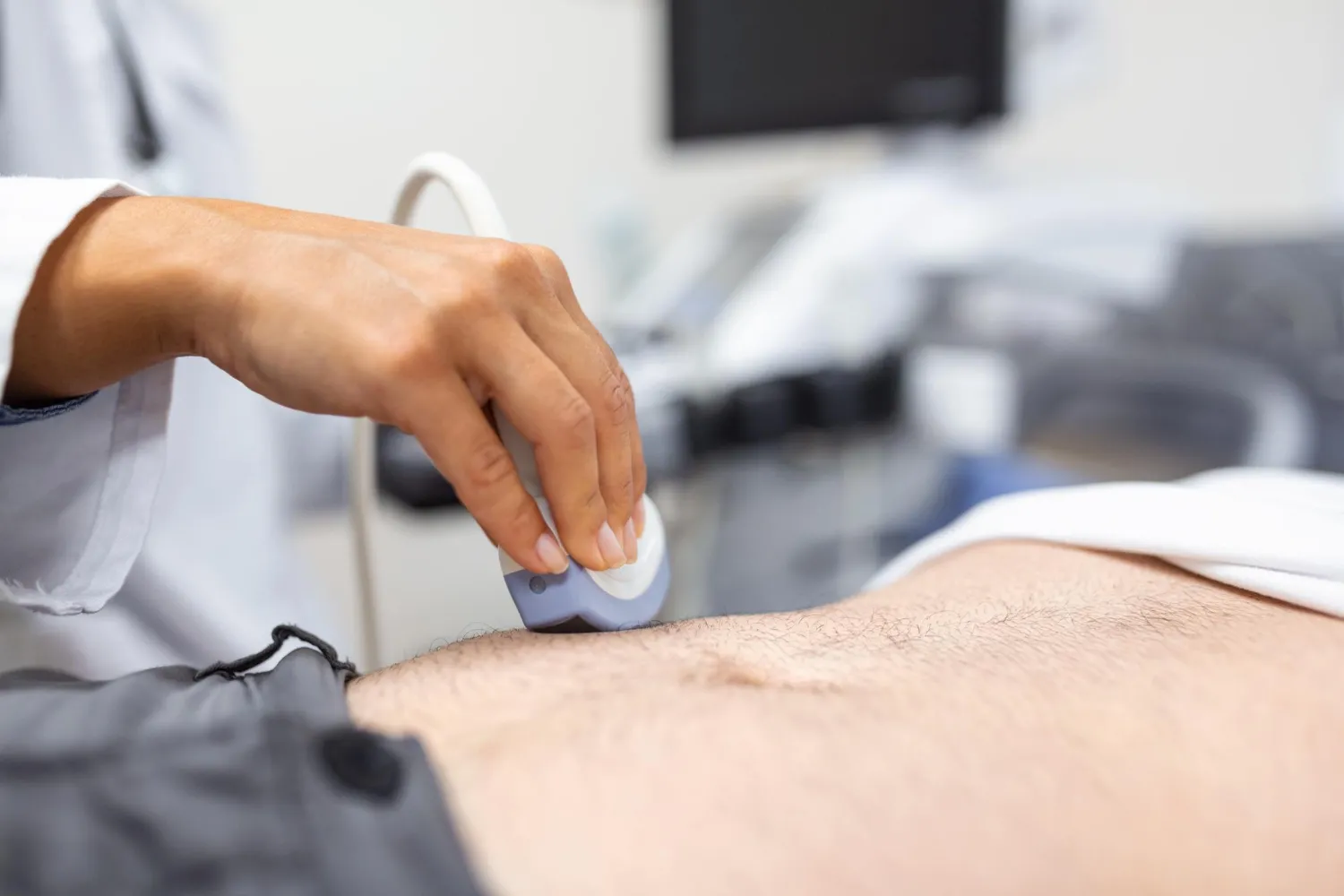
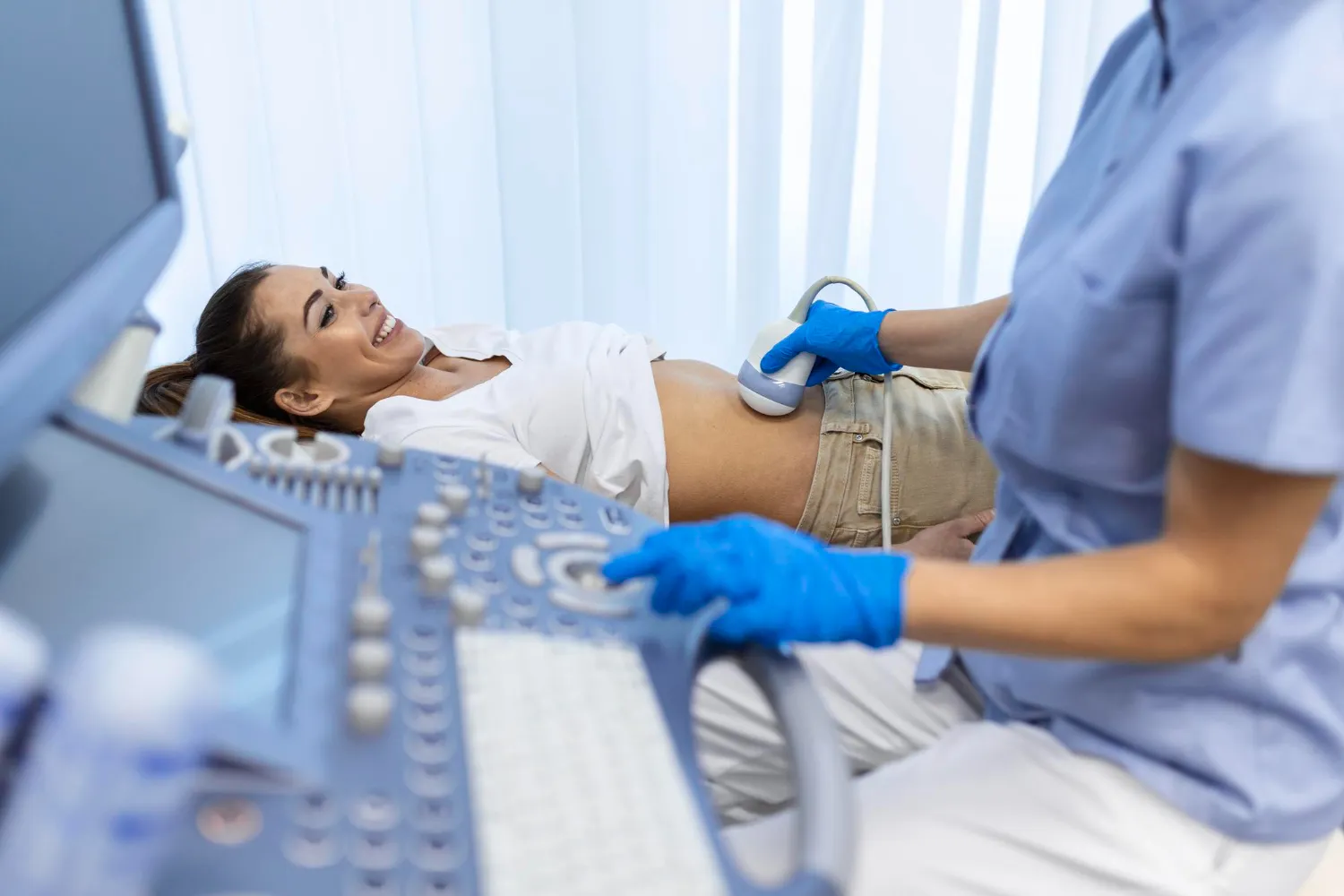
Annual LFT and occasional ultrasound can detect early changes.
6. Kidney Function Test (KFT)
Kidney damage progresses silently.
Tests Include:
- Serum creatinine
- Blood urea
- eGFR
- Urine routine examination
Especially essential for:
- Diabetics
- Hypertensive individuals
- People taking long-term medications
7. Complete Blood Count (CBC)
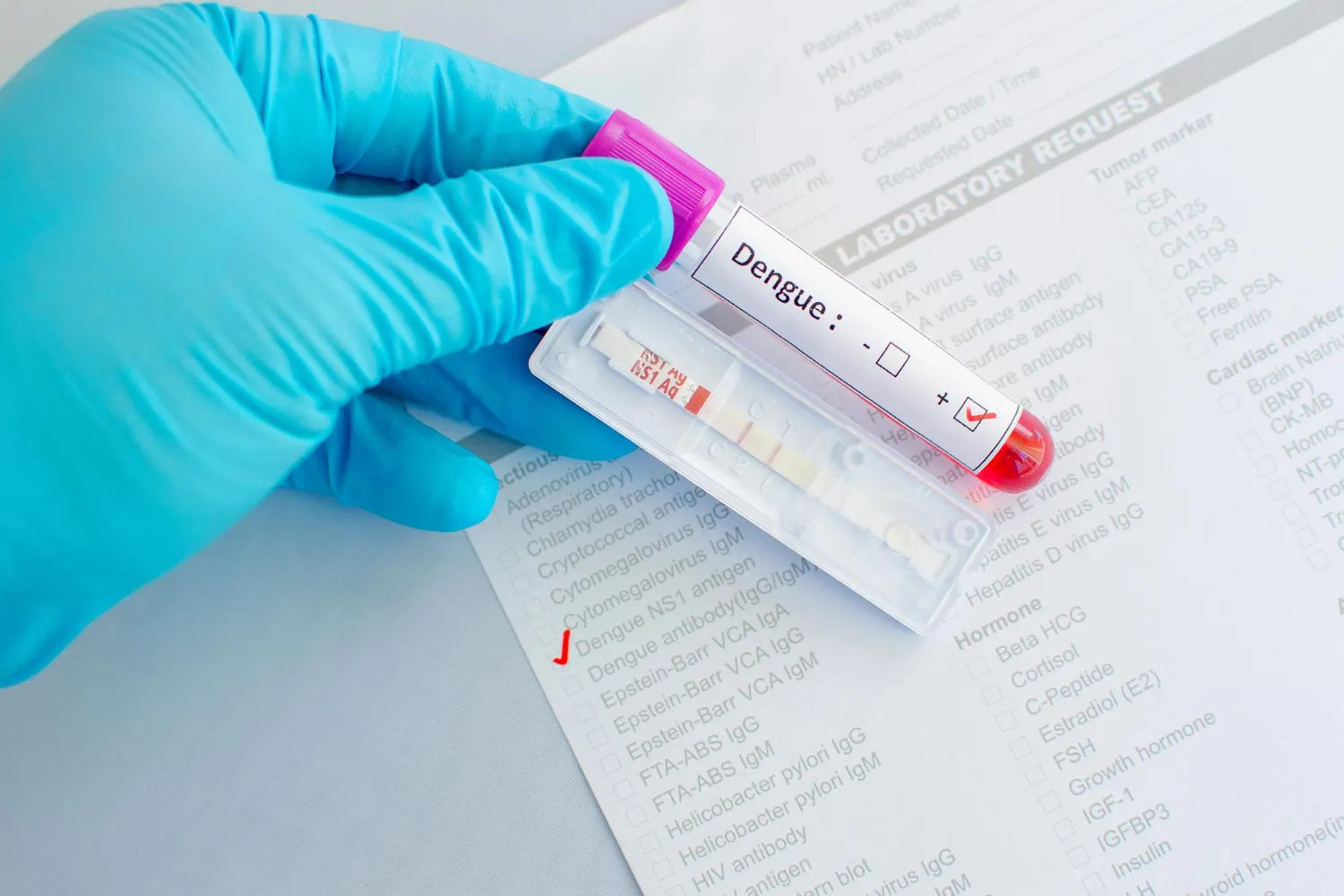
A simple CBC can detect anemia, infections, immune disorders, and blood abnormalities.
Many working professionals ignore fatigue, assuming it’s stress — when anemia may be the real cause.
8. Vitamin D & Vitamin B12
Modern indoor lifestyles and dietary patterns have caused widespread deficiencies.
Low Vitamin D:
- Weak bones
- Low immunity
- Mood changes
Low B12:
- Numbness
- Memory issues
- Fatigue
Testing every 1–2 years is recommended.
9. ECG (Electrocardiogram)
Heart problems are increasingly seen in people in their 30s and 40s.
ECG detects abnormal heart rhythm, early heart strain, and electrical irregularities.
If you have chest discomfort, family history of heart disease, or high cholesterol, ECG becomes essential.
10. BMI & Waist Circumference
These are simple but powerful indicators of metabolic risk.
- Diabetes risk
- Heart disease risk
- Fatty liver risk
Gender-Specific Tests After 30
For Women:
- Pap Smear (Every 3 years)
- Clinical Breast Examination
For Men:
- PSA (Earlier if family history exists)
How Often Should You Get a Health Checkup?
- Healthy individuals: Once a year
- With risk factors: Every 6 months
- Strong family history: Early and frequent screening
The Bottom Line
After 30, your body deserves attention — even if it doesn’t demand it.
Most lifestyle diseases begin silently during this phase of life. The good news? They are highly manageable when detected early.
Don’t wait for symptoms. Schedule your annual health checkup. Invest in prevention — because your future depends on it.
Common Questions Patients Ask
Everything you need to know about our service
Can lifestyle diseases be cured completely?
They can be controlled with early detection, medication, and lifestyle changes.
Do I need all these tests if I feel healthy?
Yes. Many lifestyle diseases are “silent killers” — no symptoms until late stages.
Is it expensive to get tested regularly?
Not at all. At Truscan, preventive packages cost far less than hospital bills later.
Conclusion & Call to Action
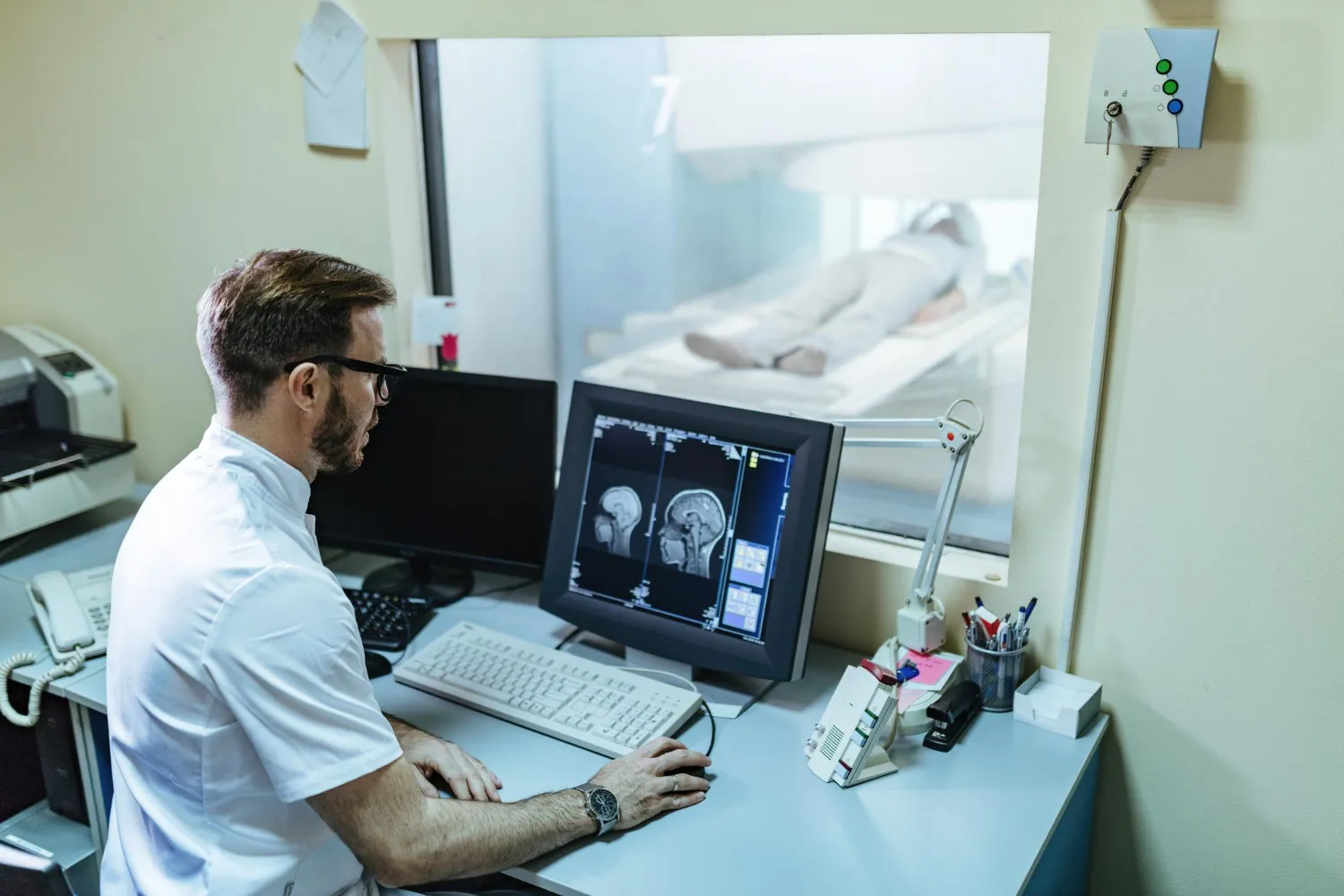
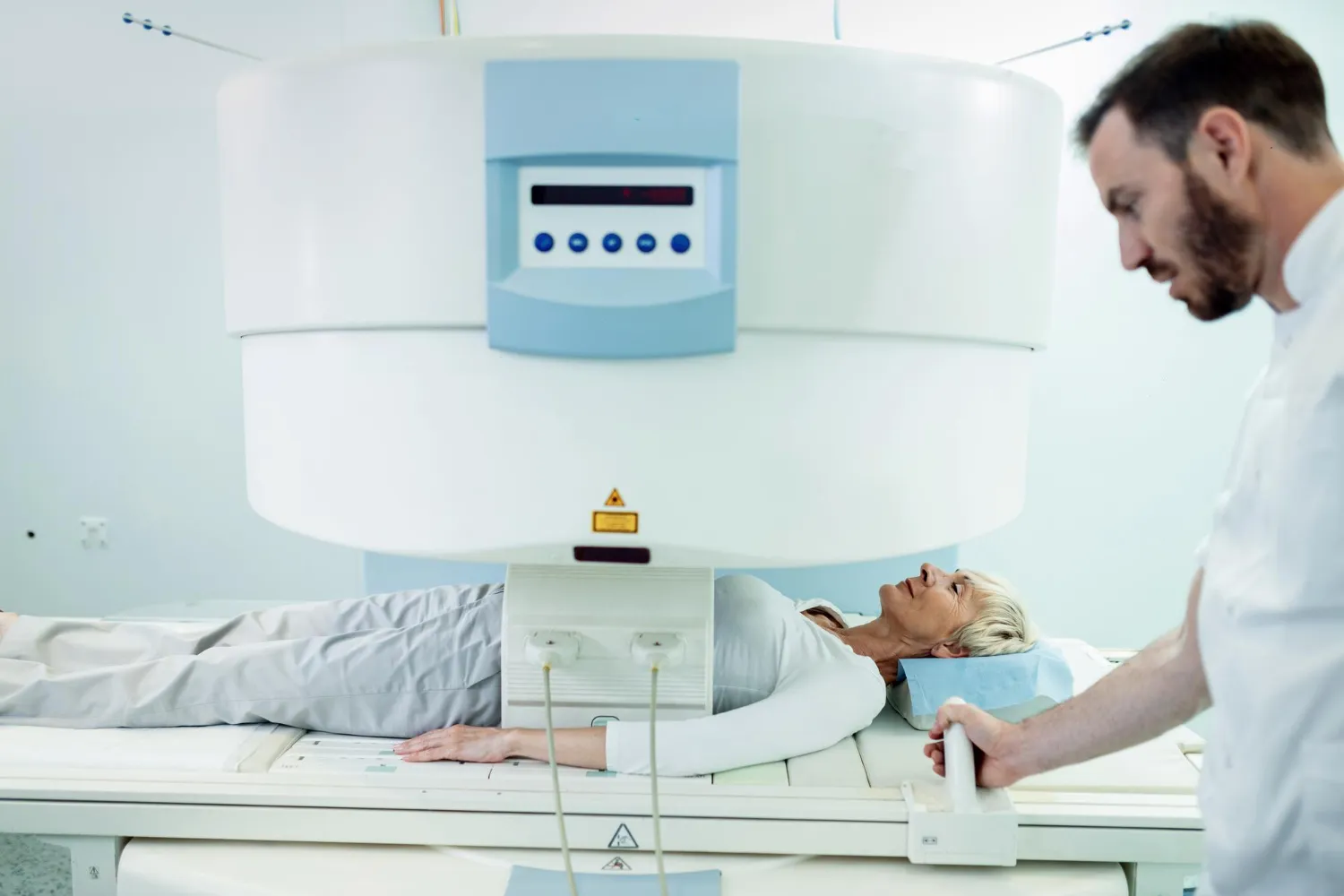
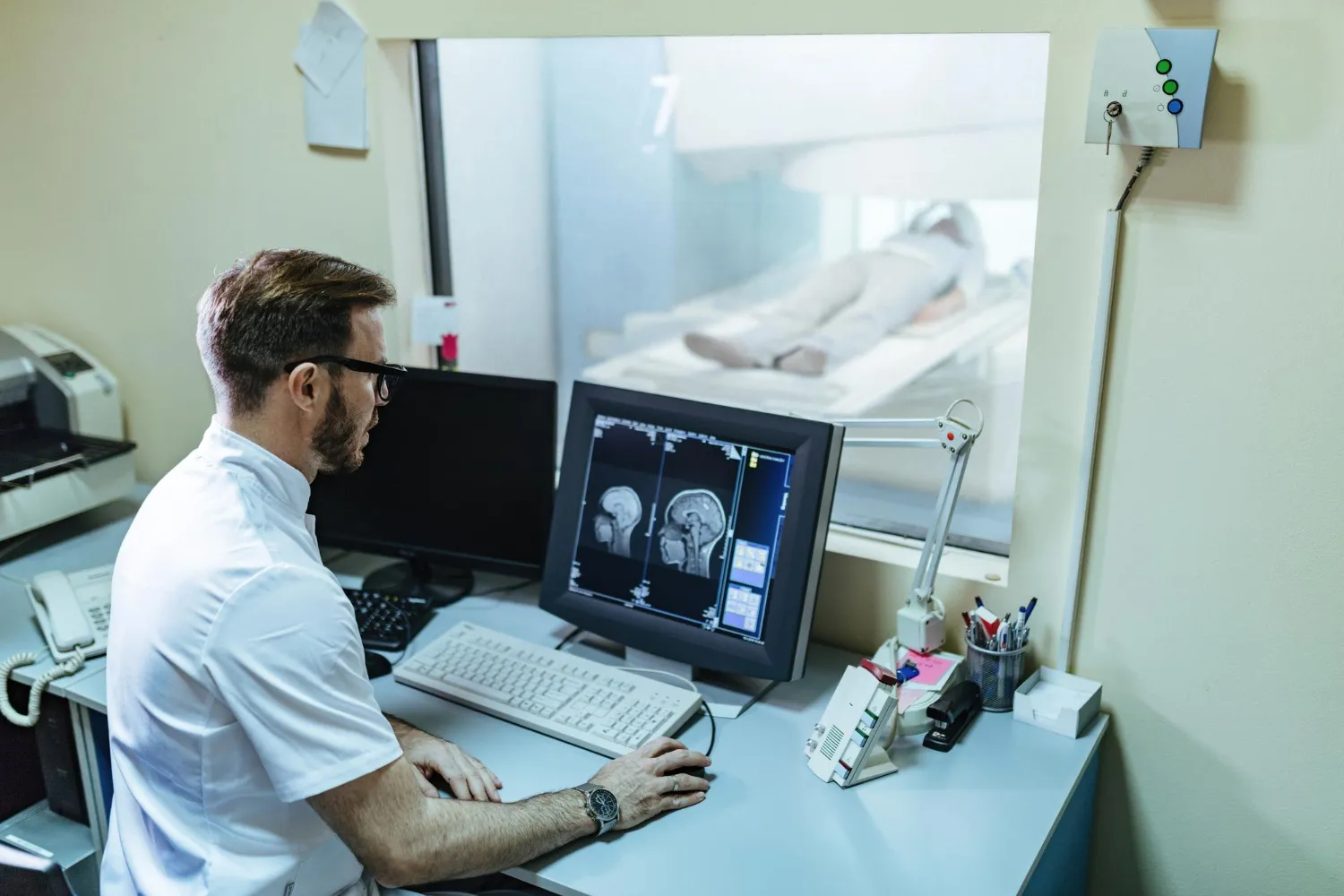
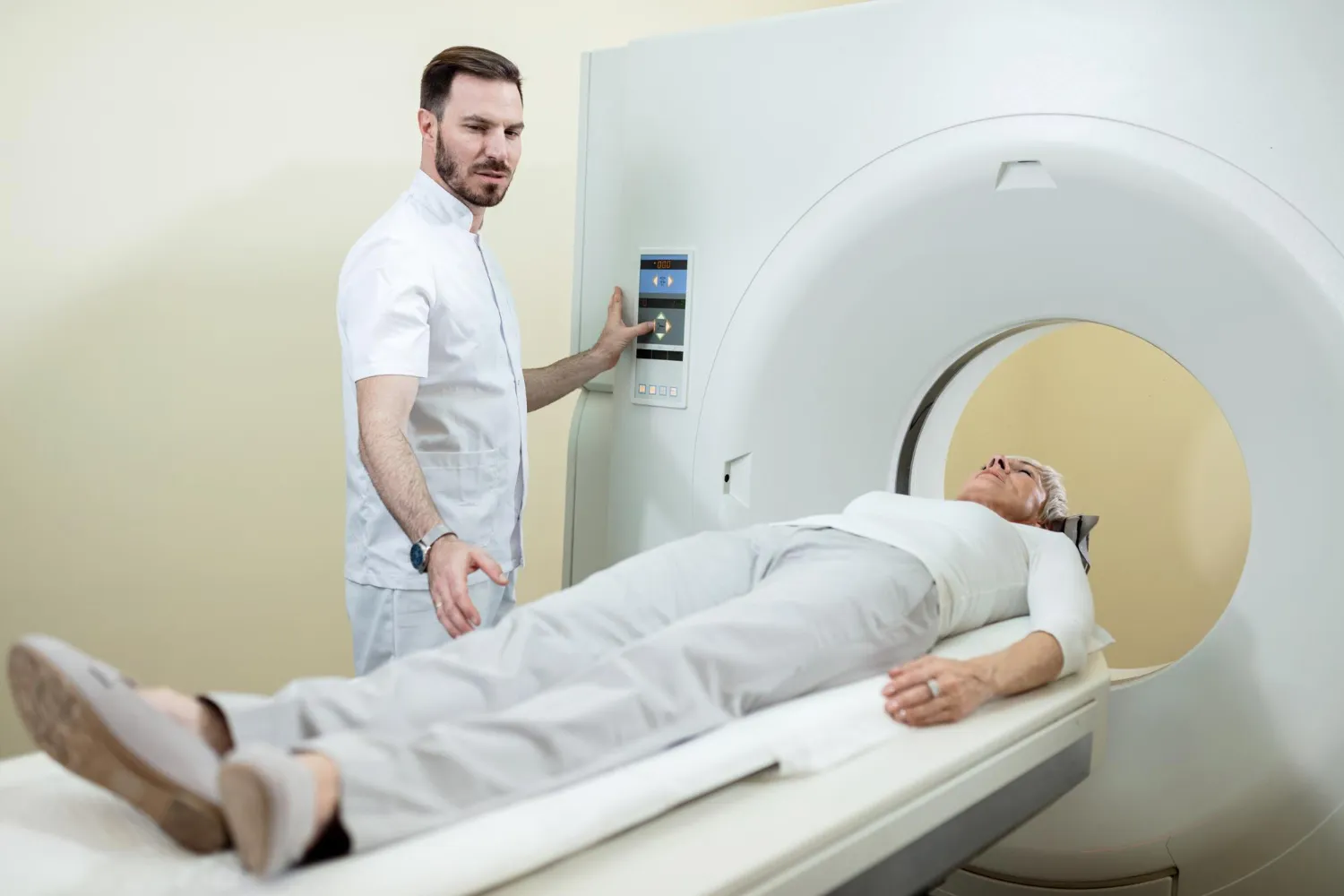
Scans can sound confusing, but they’re simply different tools for different problems. Ultrasound is quick and safe, CT is fast and detailed, and MRI is precise for soft tissues.
At Truscan Diagnostics, JP Nagar, you don’t have to decide alone. Our doctors and technicians guide you to the right test — no unnecessary scans, no confusion.
Still unsure which scan you need? Call us today and get expert advice before booking your appointment.
Truscan Diagnostics, JP Nagar, Bengaluru