
MRI vs CT Scan Difference: Which Scan Do You Really Need?
MRI vs CT Scan — Which One Does Your Doctor Actually Need (And Why It Matters in 2026)
Introduction: Why So Many Patients Get Confused Between MRI and CT Scans
One of the most common questions patients ask today is:
“Should I get an MRI or a CT scan?”
In 2026, healthcare decisions often begin online before patients even visit a doctor. Patients search for symptoms, compare treatments, and try to understand medical tests on their own.
Queries like:
- “MRI vs CT scan difference”
- “Which scan is safer?”
- “MRI or CT for headache?”
- “Which scan is better for spine problems?”
- “Is a CT scan harmful?”
are among the most searched healthcare topics in India.
The confusion exists because both scans:
- Produce internal images of the body
- Are widely recommended by doctors
- Help diagnose serious medical conditions
- Sound highly technical to patients
Because of this, many people assume both scans are interchangeable or that one is always better than the other.
But in real clinical practice, doctors do not choose imaging tests based on popularity, cost, or trends.
They decide based on:
- The patient’s symptoms
- The urgency of the condition
- Which body part needs evaluation
- Whether doctors suspect bleeding, fractures, nerve damage, or tissue abnormalities
- Safety and medical history considerations
This is why these scans are not competing technologies. They are diagnostic tools designed for different medical situations.
Understanding this difference helps patients avoid unnecessary anxiety, delayed diagnosis, and confusion created by online misinformation.
What Is MRI and Why Is It Used?
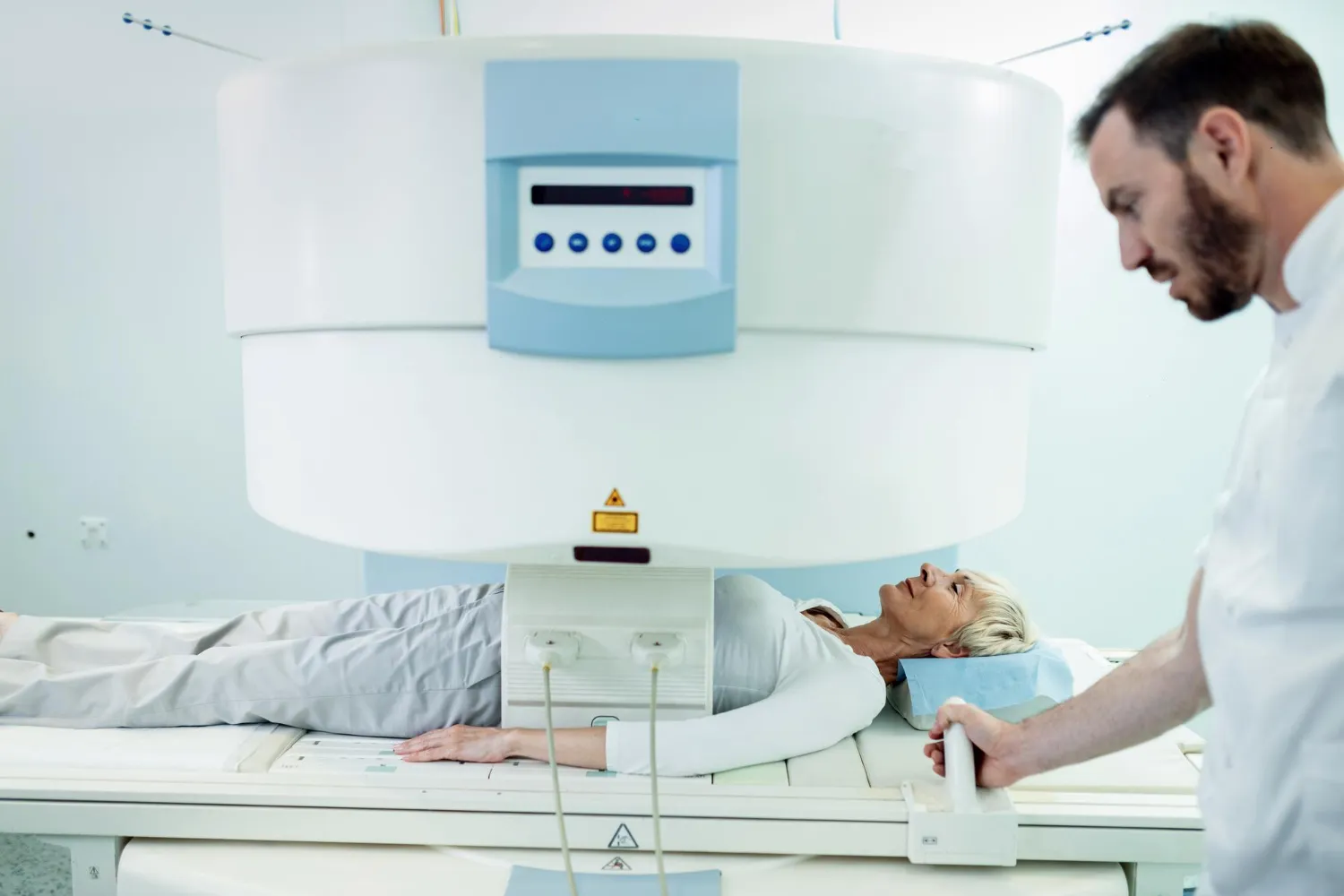
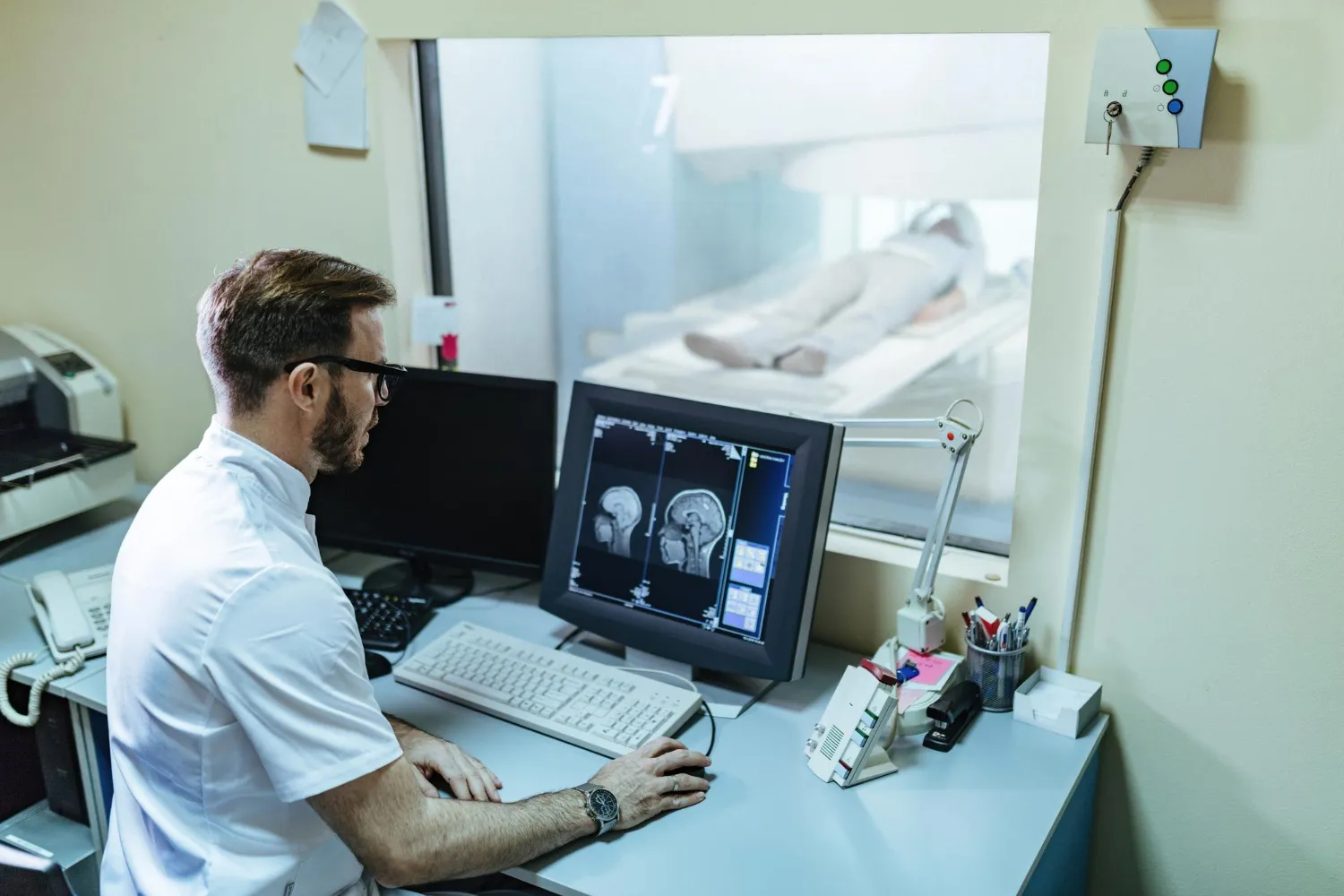
MRI stands for Magnetic Resonance Imaging.
This technology uses:
- Powerful magnetic fields
- Radiofrequency waves
- Advanced computer processing
Unlike CT, this scan does not use radiation.
Its biggest advantage is the ability to create highly detailed images of soft tissues inside the body.
This includes:
- Brain tissue
- Nerves
- Muscles
- Ligaments
- Tendons
- Spinal discs
- Internal organs
One major advantage of this imaging method is its ability to detect subtle tissue changes that may not appear clearly in routine scans.
This makes it especially useful for conditions that develop gradually over time.
When Doctors Usually Recommend This Scan
Doctors often prefer detailed soft tissue imaging when they need a closer evaluation of long-term medical conditions.
It is commonly recommended for:
- Chronic back pain
- Brain disorders
- Spine problems
- Ligament injuries
- Joint conditions
- Sports injuries
- Nerve compression
- Persistent headaches
- Neurological disorders
For example, if a patient experiences:
- Numbness in the legs
- Tingling sensations
- Persistent neck pain
- Radiating back pain
Doctors may suspect nerve compression or disc-related problems in the spine.
The detailed imaging helps specialists identify conditions such as:
- Disc bulging
- Nerve irritation
- Ligament tears
- Early spinal degeneration
In neurological conditions, doctors often prefer this type of imaging because it helps identify abnormalities more accurately.
In many cases, early tissue changes can be detected before symptoms become severe.
What Is a CT Scan?
CT stands for Computed Tomography.
CT scans use:
- Controlled X-ray beams
- Computer-generated imaging technology
The scan creates cross-sectional images of the body within a very short period of time.
The greatest advantage of CT is speed.
In many situations, imaging can be completed within minutes, making it one of the most important tools in emergency medicine.
Why CT Scans Are Critical in Emergency Situations
Doctors usually choose CT first during emergencies such as:
- Road accidents
- Head injuries
- Internal bleeding suspicion
- Sudden stroke symptoms
- Severe chest pain
- Trauma evaluation
- Bone fractures
The reason is simple.
In emergency medicine, speed is often more important than image detail during the first stage of diagnosis.
For example, if a patient arrives with sudden stroke symptoms, doctors need to know immediately whether there is bleeding inside the brain.
CT helps detect:
- Internal bleeding
- Skull fractures
- Lung complications
- Trauma-related injuries
within minutes.
This rapid diagnosis allows doctors to begin life-saving treatment quickly.
Even in 2026, despite advances in imaging technology, CT remains irreplaceable in emergency care.
MRI vs CT Scan: The Difference Most Blogs Fail to Explain
Most online comparisons simply explain:
- One scan is detailed
- The other is faster
- One avoids radiation
- The other is cheaper
While these points are correct, they do not explain how doctors actually make decisions.
The real clinical question is not:
“Which scan is better?”
The real question is:
“What information does the doctor need right now?”
This changes everything.
Doctors choose imaging based on:
- Urgency of symptoms
- Body structures involved
- Risk factors
- Diagnostic goals
- Patient condition
For example:
- A patient after a road accident may immediately need CT
- A patient with long-term nerve pain may require detailed soft tissue imaging
The best scan depends entirely on the medical situation.
How Doctors Decide Which Scan You Need
1. Urgency of the Condition
If symptoms are sudden or life-threatening, CT is usually preferred.
Examples include:
- Stroke symptoms
- Trauma
- Severe injuries
- Internal bleeding suspicion
- Emergency chest conditions
If symptoms are long-term or non-emergency, detailed imaging may be more useful.
Examples include:
- Chronic headaches
- Spine-related pain
- Joint disorders
- Neurological symptoms
- Long-standing muscle injuries
2. Type of Tissue Being Evaluated
Soft tissue-focused imaging is generally more effective for evaluating:
- Nerves
- Brain tissue
- Muscles
- Ligaments
- Tendons
CT performs better for:
- Bones
- Fractures
- Lung imaging
- Trauma evaluation
- Emergency diagnosis
This is why doctors may choose completely different scans for patients with similar symptoms.
3. Patient Safety and Medical History
Doctors also evaluate:
- Pregnancy
- Claustrophobia
- Metal implants
- Pacemakers
- Previous surgeries
- Patient stability
Certain implants may not be compatible with magnetic imaging. In such cases, CT may become the safer or more practical option.
Similarly, patients who are unable to remain still for long durations may struggle with longer scan procedures.
MRI vs CT for Brain Conditions
Scenario 1: Sudden Stroke Symptoms
A patient suddenly develops:
- Weakness
- Slurred speech
- Severe confusion
- Facial drooping
- Loss of balance
Doctors usually perform CT first.
Why?
Because CT quickly detects:
- Brain bleeding
- Emergency trauma
- Skull fractures
- Life-threatening complications
In stroke care, every minute matters.
Fast imaging can directly influence survival and recovery outcomes.
Scenario 2: Chronic Headaches or Neurological Symptoms
Now consider another patient experiencing:
- Long-term headaches
- Dizziness
- Visual disturbances
- Persistent neurological symptoms
In these situations, doctors may recommend detailed neurological imaging.
Why?
This scan offers clearer visualization of:
- Brain tissue
- Nerves
- Soft tissue abnormalities
- Tumors
- Inflammation
It helps doctors investigate conditions that develop slowly and may not appear clearly in emergency imaging.
Radiation Concerns: Is a CT Scan Harmful?
One of the most searched questions online today is:
“Is a CT scan dangerous?”
The answer requires balanced understanding.
Yes, CT scans involve radiation exposure.
But modern CT technology follows strict medical safety standards.
Doctors recommend CT scans only when:
- The diagnostic benefit outweighs the small associated risk
- Faster diagnosis is medically necessary
- Alternative imaging methods are less effective
Modern imaging centres now use:
- Low-dose imaging protocols
- Optimized exposure settings
- Advanced image reconstruction software
These improvements significantly reduce unnecessary radiation exposure while maintaining scan quality.
For most patients, delayed diagnosis is a much greater health risk than medically recommended imaging.
Why Advanced Imaging Is Not Always the Better Option
Many patients assume advanced imaging is automatically superior because:
- It avoids radiation
- It sounds more advanced
- It produces detailed images
However, these scans also have limitations.
They:
- Take longer
- Are more expensive
- Are sensitive to patient movement
- Are not ideal for emergency trauma
- May not visualize fractures as efficiently as CT
This is why doctors do not simply choose the “most advanced” scan.
They choose the scan that provides the right information for the specific medical problem.
How AI Is Changing MRI and CT Imaging in 2026
Radiology is evolving rapidly with AI-assisted imaging systems.
Modern imaging technology now helps:
- Detect abnormalities faster
- Improve image clarity
- Reduce reporting delays
- Support early-stage disease detection
AI tools are increasingly helping radiologists identify:
- Tiny tumors
- Early neurological changes
- Lung abnormalities
- Subtle tissue variations
However, technology alone is not enough.
Scan reports must still be interpreted alongside:
- Symptoms
- Medical history
- Clinical examination
- Specialist expertise
AI supports diagnosis, but experienced radiologists and doctors continue to make the final clinical decisions.
Final Thought
MRI and CT scans are among the most important diagnostic technologies in modern healthcare.
But they are not interchangeable tools.
CT is essential for:
- Speed
- Emergency diagnosis
- Trauma imaging
- Fracture detection
Detailed soft tissue imaging is especially useful for:
- Neurological evaluation
- Spine and joint assessment
- Long-term condition diagnosis
The right scan depends on:
- Symptoms
- Clinical urgency
- Body structures involved
- The type of information doctors need
Understanding this difference helps patients make informed decisions instead of relying on internet myths or confusion.
Book the Right Scan at the Right Time
If you are experiencing ongoing symptoms or have been advised to undergo imaging, consult an experienced diagnostic specialist to understand which scan is most appropriate for your condition.
Early and accurate diagnosis can improve treatment outcomes, reduce delays, and help doctors plan more effective care.
📍 Visit Truscan Diagnostic Centre, JP Nagar
📞 Book your MRI or CT Scan today
FAQs (Optimised for Google + Voice Search)
Is CT scan dangerous for repeated use?
Repeated scans are avoided unless necessary. Doctors always balance risk vs benefit.
Can MRI detect everything CT can?
No, especially not bone fractures or lung infections.
Which scan is better for spine problems?
MRI is usually better.
Can I do both scans together?
Only if medically required.