
Summer Fever & Diagnostic Tests in Bengaluru
April marks the beginning of peak summer in India—and diagnostic centers often report a 20–30% rise in seasonal infections during this period.
While many associate illness with winter, early summer is a high-risk season due to dehydration, food contamination, and increased mosquito activity.
If you’ve noticed frequent illness during this time, there’s a clear scientific reason behind it.
Why Do Fevers Increase in April?
1. Sudden Temperature Fluctuations
April often brings 10–15°C variations between morning and afternoon, affecting:
- Body temperature regulation
- Immune response
- Hydration balance
Result: Increased vulnerability to infections.
2. Contaminated Summer Diet
Increased consumption of outside food raises infection risk:
- Street juices
- Cut fruits
- Unhygienic food
These can carry bacteria like Salmonella (typhoid), a commonly ignored cause of summer infections.
3. Early Mosquito Breeding
Mosquito breeding begins before monsoon:
- Construction sites
- Water tanks
- Coolers
Result: Early dengue cases even before rainy season.
4. Dehydration Weakens Immunity
- Reduces blood circulation efficiency
- Affects immune cell function
This makes the body more susceptible to infections.
Types of Summer Illnesses
Viral Infection
- Fast onset (24–48 hours)
- Body pain and fatigue
- Usually resolves in 3–5 days
Tip: If symptoms improve by Day 3, it is likely viral.
Bacterial Infection (Typhoid)
- Gradual progression
- Digestive symptoms (key indicator)
- Requires antibiotics
Red Flag: Symptoms lasting beyond 4–5 days.
Dengue
- High fever with chills
- Severe joint and muscle pain
- Platelet count drop
Insight: Platelet drop usually begins after Day 3.
Viral vs Bacterial: Early Indicators
| Feature | Viral Infection | Bacterial Infection |
|---|---|---|
| Onset | Sudden | Gradual |
| Recovery | Quick | Slower |
| Digestive Issues | Rare | Common |
| Action Needed | Rest | Medical treatment |
When Should You Take a Dengue Test?
Do not test immediately on Day 1.
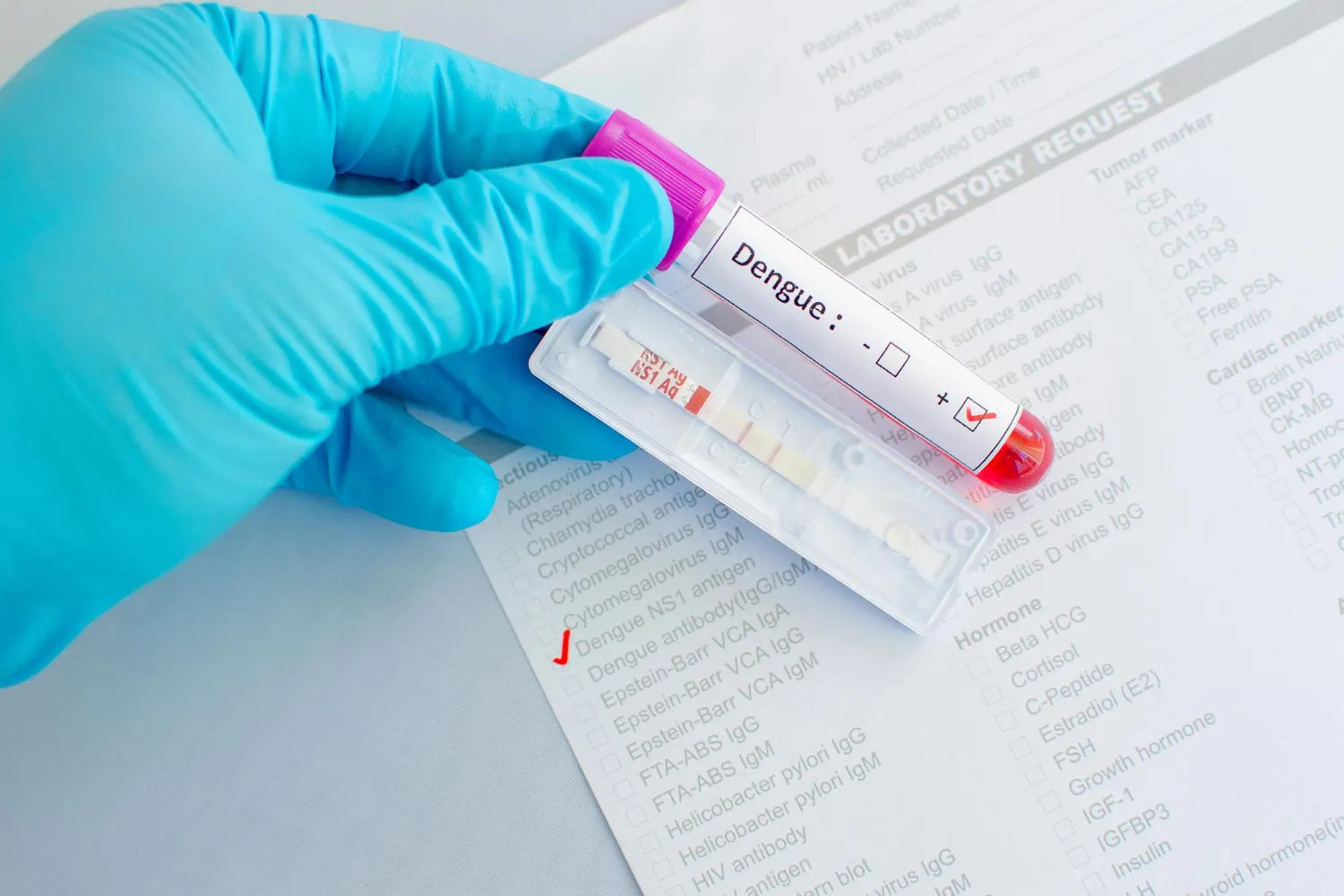
- NS1 Test: Best within first 5 days
- IgM Test: After Day 5
Get tested if:
- Symptoms persist beyond 48–72 hours
- Severe joint pain occurs
- Weakness or rashes appear
Early testing significantly reduces hospitalization risk.
Essential Tests You Shouldn’t Ignore
CBC (Complete Blood Count)
Detects infection type and platelet trends.
Fever Panel Test
Checks multiple infections in one test.
Dengue NS1 Antigen Test
Best early detection method (Day 1–5).
Widal Test
Used for typhoid detection (interpret with symptoms).
When To Visit A Diagnostic Center
- Symptoms last beyond 2 days
- No improvement after medication
- Severe weakness or dehydration
Delaying testing increases complication risk.
Prevention Tips That Actually Work
Smart Hydration
- Drink water regularly
- Include ORS and coconut water
Food Safety
- Avoid cut fruits outside
- Avoid ice-based drinks
Mosquito Control
- Clean coolers weekly
- Cover water storage
Timing-Based Care
- Avoid outdoor exposure between 12–4 PM
- Prevent sudden temperature changes
Final Takeaway
Summer infections are not just common—they are predictable and preventable. The biggest mistake people make is ignoring early symptoms and delaying testing. Early diagnosis, proper hydration, and preventive care ensure faster recovery and lower risk.
Don’t ignore symptoms—get tested early.
Book Your Test Today
Even mild symptoms can indicate serious infections like dengue or typhoid.
Book your Fever Panel Test at TruScan Diagnostics
Call/WhatsApp: 8956 600 600
Website: www.truscan.in