
Smog vs Your Heart: Protecting Your Cardiovascular Health During Pollution Peaks

Smog vs Your Heart: Protecting Your Cardiovascular Health During Pollution Peaks
Air pollution is one of the most underestimated threats to cardiovascular health.
While smog is commonly associated with respiratory diseases, research shows that fine particulate matter (PM2.5) can enter the bloodstream and damage the heart.
Understanding how air pollution affects heart health is essential for preventing long-term cardiovascular problems.
How Pollution Damages the Heart
Exposure to air pollution may lead to:
- Increased blood pressure
- Arterial inflammation
- Plaque buildup in blood vessels
- Abnormal heart rhythms
- Increased risk of blood clots
These effects significantly increase the risk of pollution and cardiovascular disease.
Studies have also shown that PM2.5 effects on the cardiovascular system may trigger heart attacks in vulnerable individuals.
Warning Signs Not to Ignore
Symptoms of pollution-related heart problems include:
- Chest tightness
- Breathlessness
- Unusual fatigue
- Palpitations
- Swelling in legs
Even without visible symptoms, pollution impact on heart health may be progressing silently.
Important Heart Tests During Pollution Season
Preventive cardiac evaluation plays an important role in detecting early damage.
At TruScan Diagnostics, heart screening may include:
Lipid Profile
Measures cholesterol levels and plaque risk.
hs-CRP Test
Detects inflammation linked to cardiovascular disease.
ECG
Identifies abnormal heart rhythms.
2D Echo
Evaluates heart structure and function.
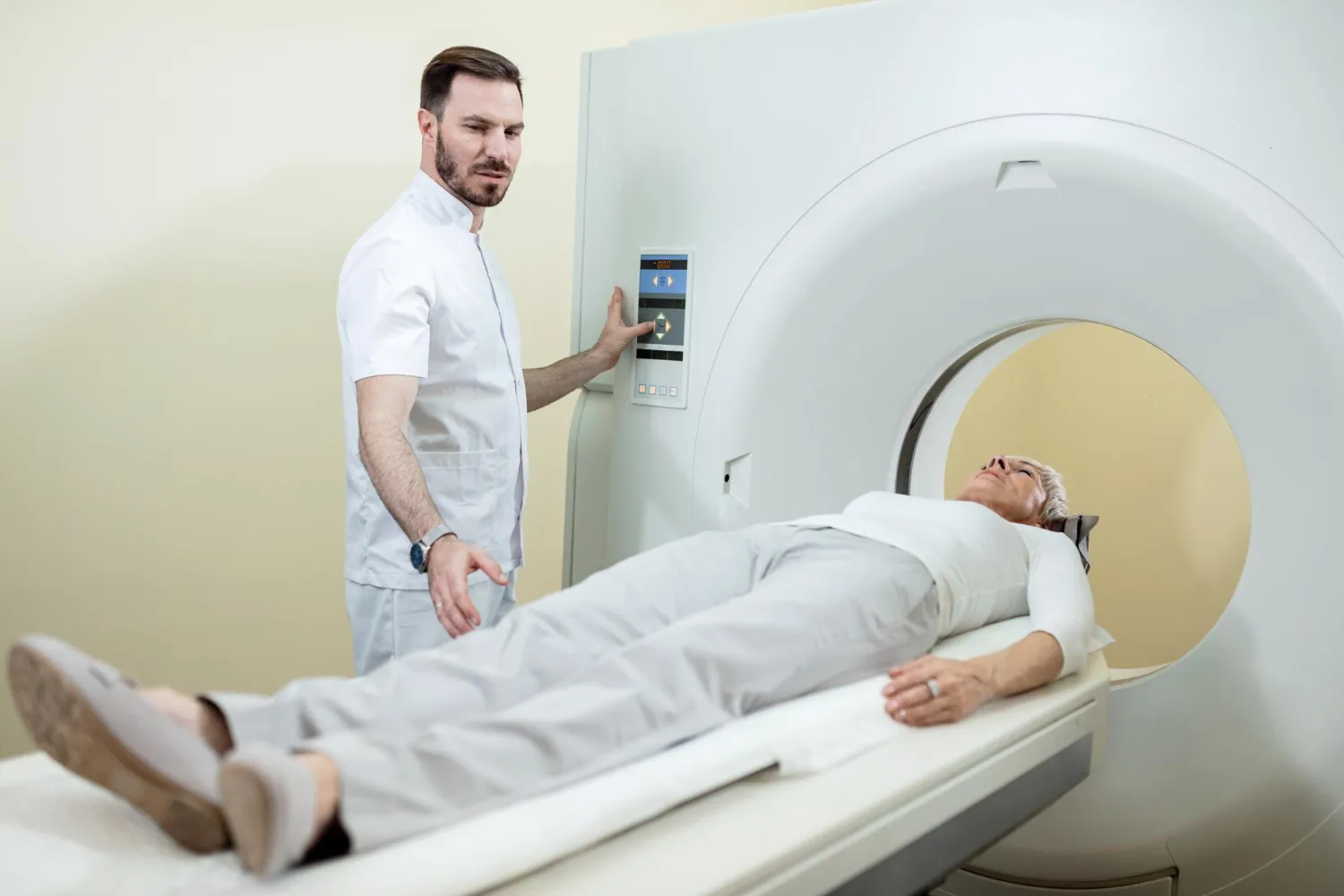
Cardiac CT or MRI
Provides detailed imaging of coronary arteries when needed.
These tests are often included in preventive heart screening tests and cardiovascular health screening packages.
Who Should Prioritize Screening?
Heart health screening is especially important for:
- Elderly individuals
- Diabetic patients
- Smokers
- People with hypertension
- Residents in high-traffic urban areas
Individuals living in cities with high pollution should consider regular heart health checkups.
Tips to Protect Your Heart During Pollution
To reduce the health risks of smog, follow these precautions:
- Monitor daily Air Quality Index (AQI)
- Avoid outdoor exercise during peak pollution
- Use N95 masks for pollution protection
- Maintain indoor air quality
- Follow heart-friendly lifestyle habits
Prevention Is the Best Protection
You may not be able to control air pollution, but you can reduce its impact on your health.
If you are searching for a heart health checkup in Bangalore or a cardiovascular hospital in Bangalore for preventive screening, TruScan Diagnostics provides advanced diagnostic testing.
Early screening helps detect inflammation and protect your heart before symptoms appear.