
Dengue Test at Home in Bangalore: Early Detection During Monsoon
Monsoon is one of the most awaited seasons in Bangalore. The pleasant weather and regular rainfall bring much-needed relief from the city's summer heat. However, the rainy season also brings an increase in mosquito-related illnesses, with dengue being one of the most common concerns.
During monsoon, water often collects in places such as flower pots, open containers, construction areas, terraces, and drains. These small pools of stagnant water create ideal breeding conditions for mosquitoes that spread dengue.
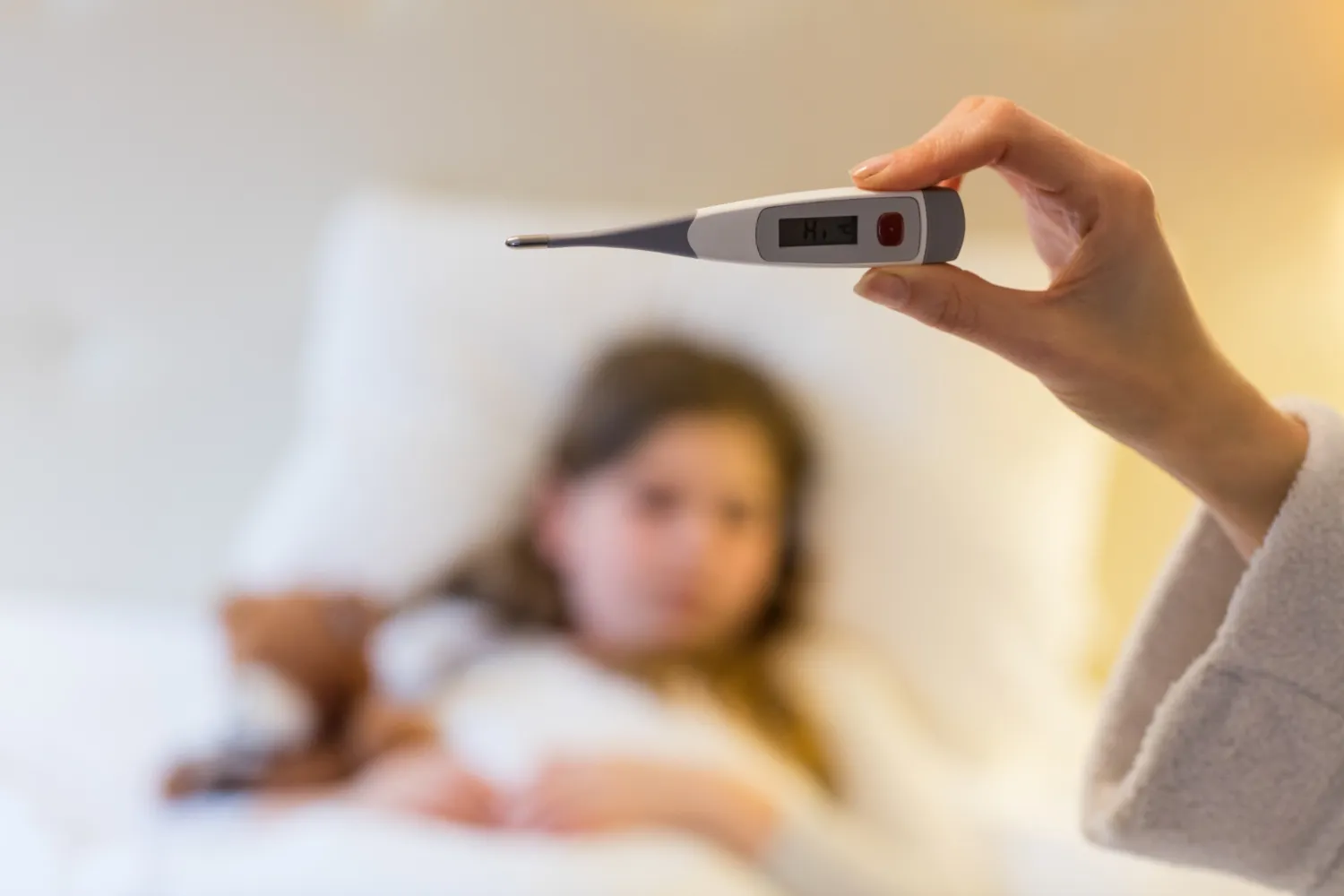
One of the biggest challenges with dengue is that its early symptoms can look similar to a regular viral fever. Many people ignore the warning signs, assuming they will recover in a few days. Unfortunately, delayed diagnosis can sometimes lead to complications that require hospital care.
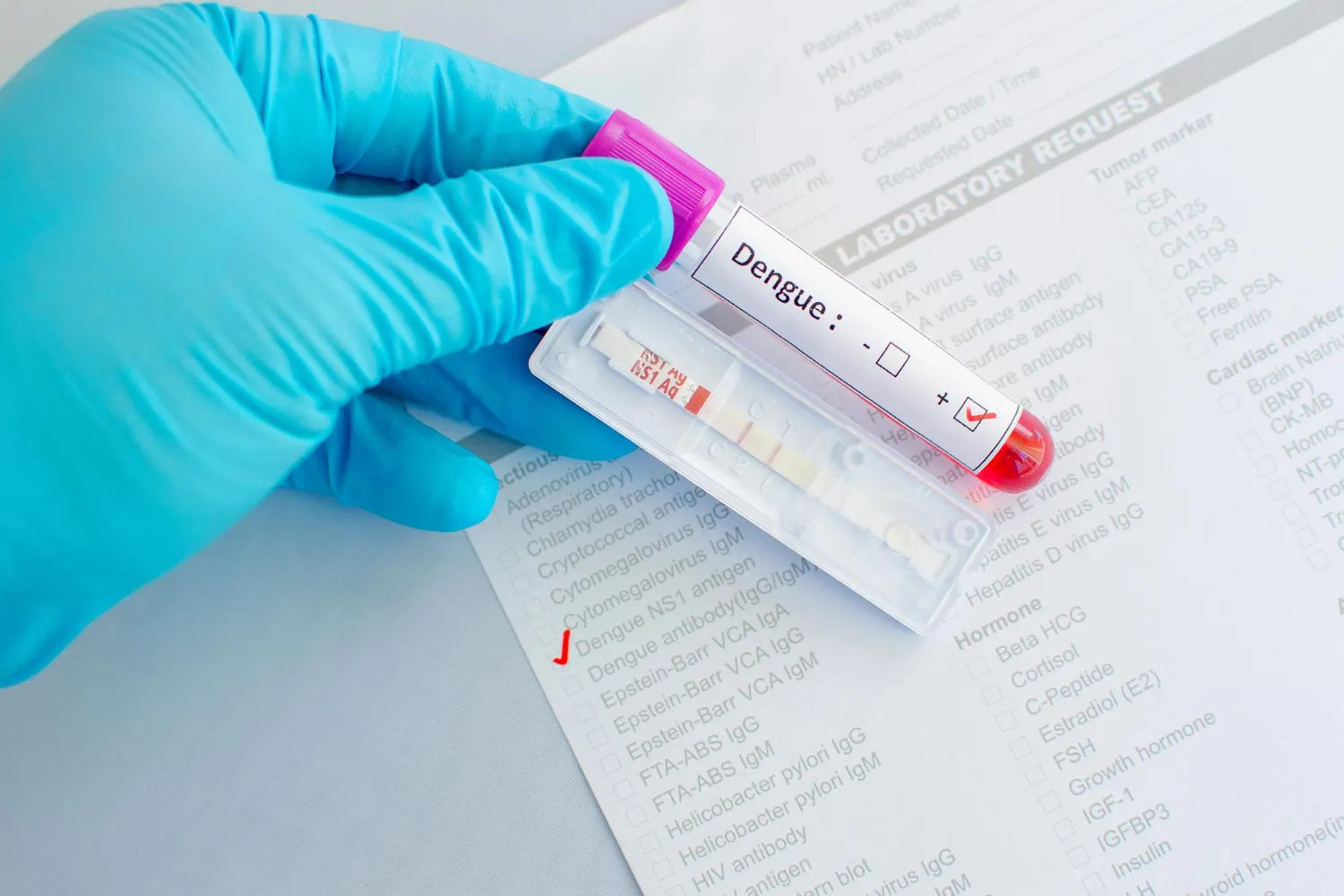
Today, home healthcare services have made medical testing more accessible than ever. Instead of traveling while feeling unwell, patients can schedule a dengue test from the comfort of their homes and receive timely results. This not only saves time but also helps ensure early diagnosis and proper medical guidance.
What is Dengue?
Dengue is a viral infection spread through the bite of infected Aedes mosquitoes. These mosquitoes are different from the ones that usually bite at night. They are most active during the early morning and late afternoon hours.
Dengue affects people of all age groups and is commonly seen in urban areas where mosquito breeding conditions are favorable. While many patients recover with proper care, some cases can become serious if not diagnosed and monitored on time.
Common Symptoms of Dengue
Symptoms usually appear within a few days after a mosquito bite and may include:
- High fever
- Severe headache
- Pain behind the eyes
- Muscle and joint pain
- Extreme tiredness
- Nausea or vomiting
- Skin rash
- Mild bleeding from the gums or nose
Since these symptoms often resemble common viral infections, many people delay testing, which can affect treatment decisions.
Why Dengue Cases Increase During Monsoon in Bangalore
Stagnant Water
Rainwater often accumulates in:
- Flower pots
- Buckets
- Open tanks
- Construction sites
- Rooftops
- Drains
Even small amounts of standing water can become mosquito breeding spots.
Growing Urban Development
Bangalore's rapid growth means there are many active construction zones. If water is allowed to collect in these areas, mosquito populations can increase significantly.
High Population Density
In crowded residential areas, mosquito-borne infections can spread more easily from one person to another.
Improper Waste Disposal
Discarded plastic containers, tires, and other waste materials often collect rainwater, creating additional breeding sites.
Why Early Dengue Diagnosis Matters
Dengue can sometimes worsen unexpectedly. A person may feel relatively stable during the first few days and then suddenly develop complications.
Getting tested early helps doctors:
- Confirm the infection quickly
- Monitor platelet levels
- Track disease progression
- Recommend appropriate treatment
- Reduce the risk of severe complications
Early diagnosis allows patients to receive medical attention before their condition becomes serious.
What Can Happen if Dengue Testing is Delayed?
Falling Platelet Count
Dengue may cause platelet levels to decrease. Low platelet counts can increase the risk of bleeding and require close monitoring.
Severe Dengue
In some cases, dengue can progress into a more serious form that affects blood vessels and vital organs.
Dehydration
Persistent fever, sweating, and vomiting can lead to dehydration, especially in children and older adults.
Understanding Dengue Tests
NS1 Antigen Test
This test is commonly used during the early phase of infection and can help detect dengue within the first few days.
Dengue IgM Test
This test helps identify a recent dengue infection.
Dengue IgG Test
This test may indicate a previous dengue infection or exposure.
Complete Blood Count (CBC)
A CBC helps doctors monitor:
- Platelet count
- White blood cell count
- Hematocrit levels
These values provide important information about the patient's condition.
Benefits of Dengue Testing at Home
- Comfort and Convenience
- Reduced Exposure
- Faster Medical Decisions
- Helpful for Children and Senior Citizens
How Home Dengue Testing Works
Step 1: Schedule the Test
Book a home sample collection appointment.
Step 2: Sample Collection
A trained technician visits your home and collects a blood sample using sterile equipment.
Step 3: Laboratory Processing
The sample is transported safely to a certified laboratory for analysis.
Step 4: Receive Results
Reports are usually shared digitally, making them easy to access and share with your doctor.
Step 5: Medical Consultation
Based on the results, your doctor can recommend treatment, hydration plans, or additional monitoring if required.
When Should You Get Tested?
- Fever lasting more than two days
- Severe headache
- Body aches
- Joint pain
- Unusual fatigue
- Nausea
- Skin rash
- Recent exposure to mosquito-prone areas
Testing becomes even more important if dengue cases have been reported in your locality.
Warning Signs That Need Immediate Medical Attention
- Severe abdominal pain
- Continuous vomiting
- Difficulty breathing
- Bleeding from gums or nose
- Blood in vomit
- Black-colored stools
- Extreme weakness
- Dizziness or sudden drop in blood pressure
These symptoms may indicate a serious stage of dengue and require prompt medical evaluation.
Tips to Prevent Dengue During Monsoon
Remove Standing Water
Regularly check and empty containers where water may collect.
Use Mosquito Protection
Apply mosquito repellents and use mosquito nets when needed.
Wear Protective Clothing
Long sleeves and full-length clothing can help reduce mosquito bites.
Keep Your Environment Clean
Proper waste disposal and regular cleaning help reduce mosquito breeding areas.
Recovery After Dengue Diagnosis
Staying Hydrated
Drink plenty of fluids such as water, ORS, coconut water, and fresh juices.
Taking Adequate Rest
Rest helps the body recover and supports the immune system.
Monitoring Blood Counts
Follow-up blood tests may be recommended to monitor platelet levels and overall recovery.
Avoiding Self-Medication
Some medicines can increase the risk of bleeding. Always consult a doctor before taking medication.
Why Home Testing Makes Sense During Bangalore's Monsoon
Heavy rainfall, traffic congestion, and crowded healthcare facilities can make hospital visits difficult. Home dengue testing offers a practical alternative by bringing diagnostic services directly to patients.
With timely testing, faster results, and greater comfort, home sample collection helps individuals take action early and manage dengue more effectively.
Dengue continues to be a major health concern during Bangalore's monsoon season. Since the symptoms often resemble common viral illnesses, many people underestimate the condition and delay testing. Early diagnosis plays a vital role in ensuring proper treatment and preventing complications.
Home dengue testing provides a simple, safe, and convenient way to identify infection without unnecessary travel. If you or a family member develops symptoms such as fever, body pain, fatigue, or headache during the rainy season, getting tested early can make a significant difference.
Staying alert, preventing mosquito breeding, and seeking timely medical attention are the best ways to protect yourself and your family throughout the monsoon months.