
Cardiac Diagnostic Tests: Types, Uses and the Role of AI in Heart Care

Cardiac diagnostic tests help healthcare professionals evaluate different aspects of heart health, including the heart's electrical activity, structure, rhythm and response to physical activity. Common heart tests include ECG, ECHO, TMT and Holter monitoring, while newer technologies such as artificial intelligence (AI) are increasingly being explored to support the analysis of cardiac data.
The right cardiac test depends on a person's symptoms, medical history, risk factors and the specific clinical question being evaluated. AI can support certain parts of the diagnostic process, but it does not replace doctors or professional medical judgement.
What Are Cardiac Diagnostic Tests?
Cardiac diagnostic tests are medical investigations used to understand how the heart and cardiovascular system are functioning.
A healthcare professional may recommend different tests depending on symptoms, age, medical history, risk factors, physical examination findings and other clinical considerations.
Common cardiac diagnostic tests include:
- Electrocardiogram (ECG)
- Echocardiogram (ECHO)
- Treadmill Test (TMT)
- Holter monitoring
- Blood tests related to cardiovascular health
- Cardiac imaging when clinically indicated
Each test provides different information. An ECG records the electrical activity of the heart, while an ECHO uses ultrasound to examine the heart's structure and movement. A TMT evaluates how the heart responds to physical activity, while Holter monitoring records heart rhythm over a longer period.
This means there is no single "best heart test" for everyone. The appropriate cardiac diagnostic test depends on what the healthcare professional needs to evaluate.
What Are the Common Types of Heart Tests?
ECG Test
An electrocardiogram (ECG) records the electrical activity of the heart. It can provide information about heart rate, rhythm and electrical patterns.
An ECG may be used when a healthcare professional is evaluating symptoms such as palpitations, chest discomfort or other concerns related to heart rhythm.
Although an ECG is an important cardiac test, it does not evaluate every aspect of heart health. Depending on the clinical situation, additional investigations may be required.
ECHO Test
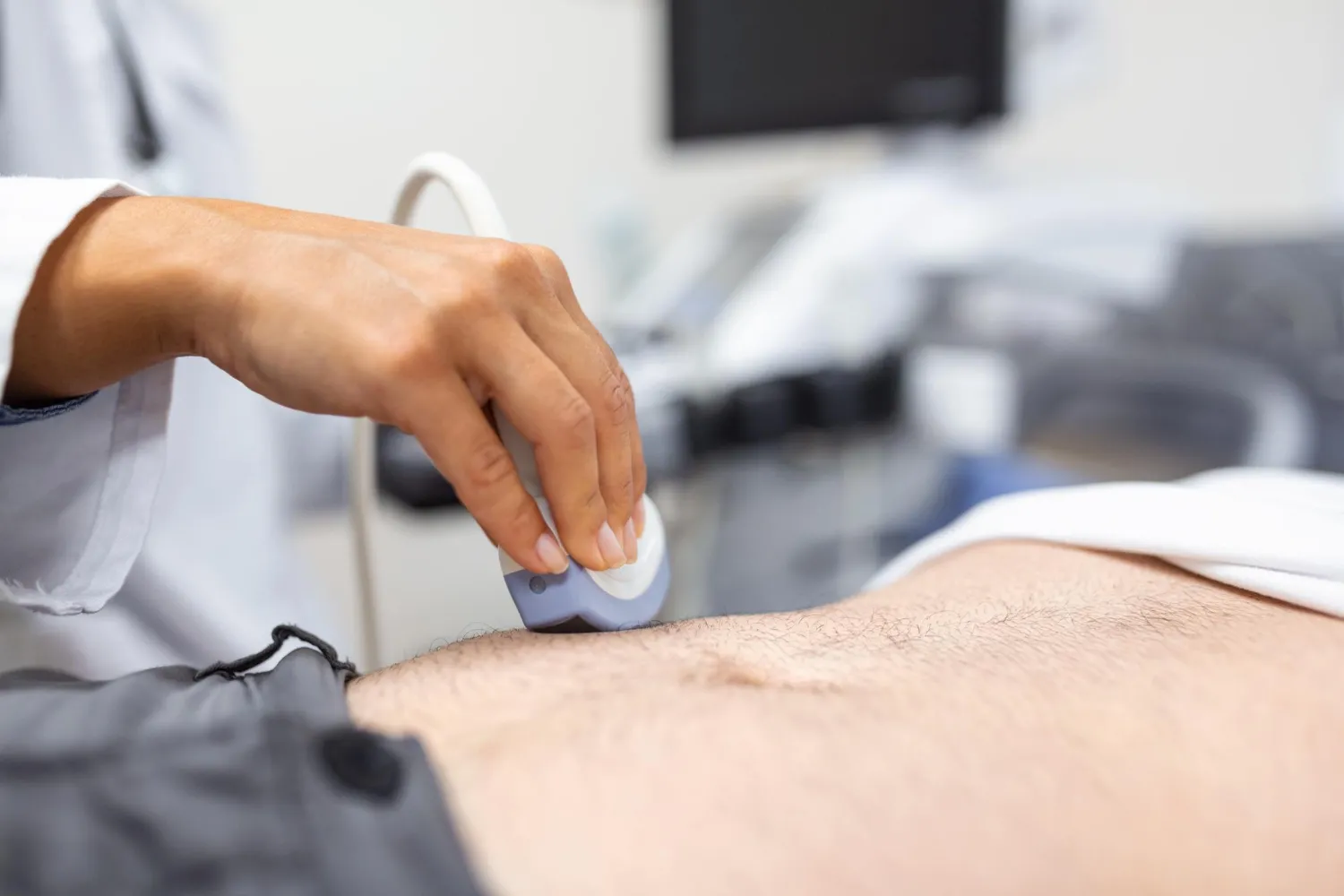
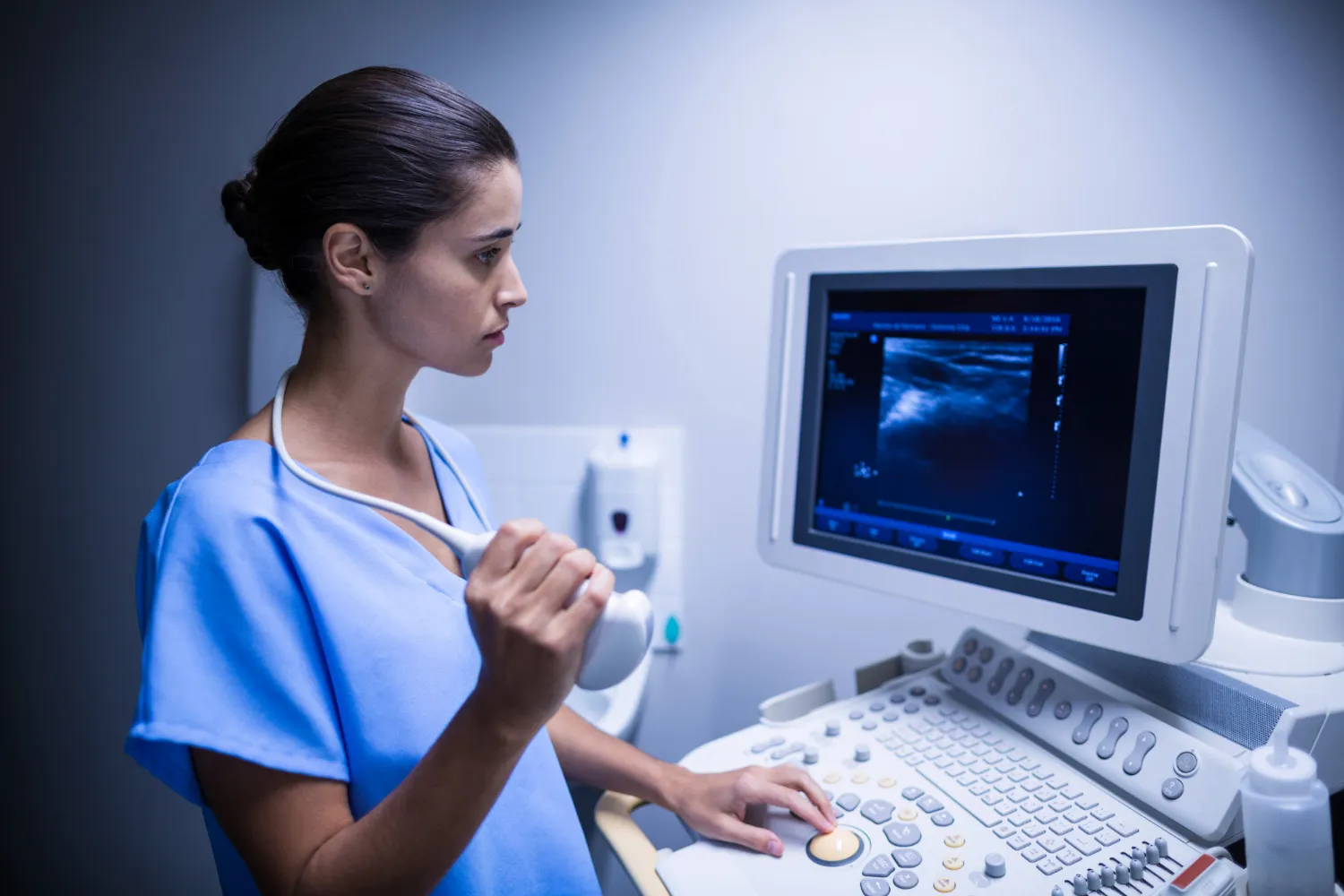
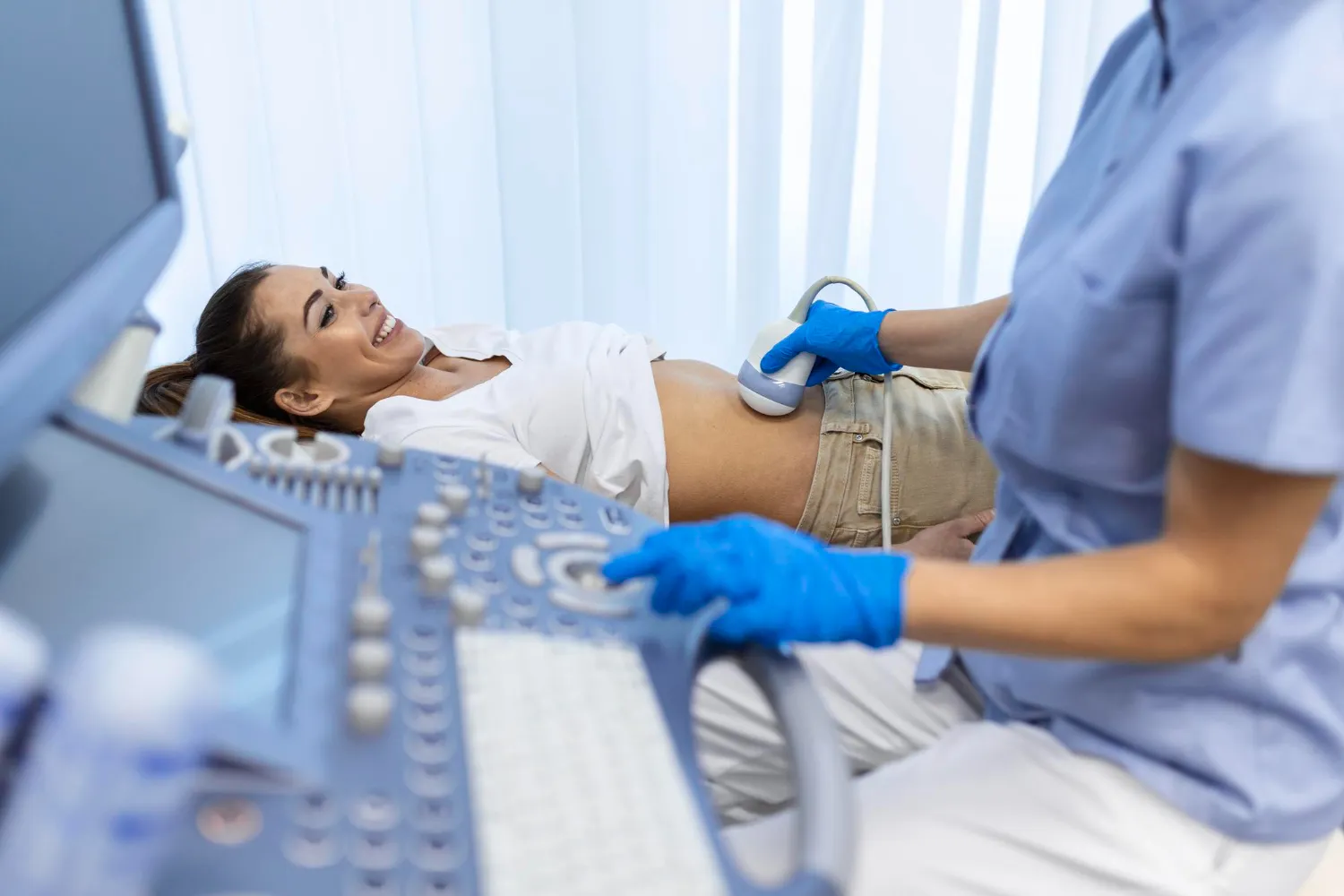
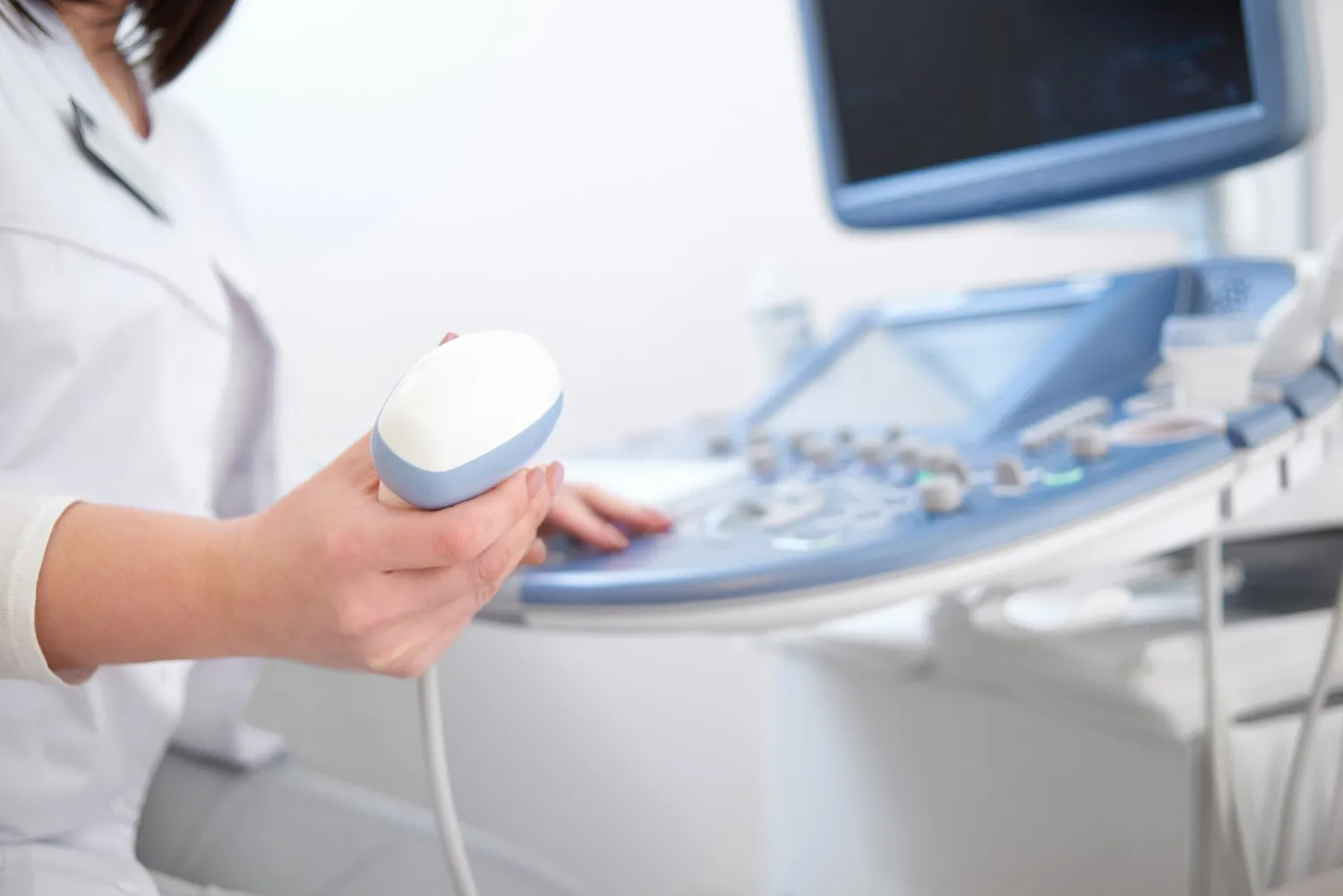
An echocardiogram (ECHO) uses ultrasound to produce images of the heart.
It can help healthcare professionals evaluate aspects such as:
- Heart chambers
- Heart valves
- Heart structure
- Heart movement
- Pumping function
Unlike an ECG, which primarily evaluates electrical activity, an ECHO provides information about the structure and movement of the heart.
TMT Test
A Treadmill Test (TMT), also known as an exercise stress test, evaluates how the heart responds to physical activity.
During a TMT, heart activity is monitored while the person exercises under appropriate supervision. The test may provide information about changes associated with exercise.
Whether a TMT is appropriate depends on the individual's symptoms, health history and clinical assessment.
Holter Monitoring
A Holter monitor records the heart's rhythm continuously over an extended period.
It can be useful when symptoms such as palpitations or rhythm abnormalities occur intermittently and may not be captured during a short ECG.
The choice between a standard ECG and longer-term monitoring depends on the clinical question and the person's symptoms.
What Is the Difference Between ECG, ECHO and TMT?
ECG, ECHO and TMT are different cardiac diagnostic tests and should not be considered interchangeable.
| Test | What It Evaluates | Common Role |
|---|---|---|
| ECG | Electrical activity of the heart | Heart rhythm and electrical patterns |
| ECHO | Heart structure and movement | Chambers, valves and pumping function |
| TMT | Heart response to physical activity | Assessment of exercise-related cardiac changes |
| Holter Monitoring | Heart rhythm over an extended period | Evaluation of intermittent rhythm abnormalities |
A healthcare professional may recommend one test or a combination of tests depending on the person's symptoms, medical history and clinical findings.
When Are Cardiac Diagnostic Tests Recommended?
Cardiac testing may be recommended when a person has symptoms, cardiovascular risk factors, an abnormal examination finding or another clinical reason for evaluation.
Symptoms that may require medical assessment include:
- Chest discomfort or pressure
- Unexplained shortness of breath
- Palpitations
- Dizziness or fainting
- Unusual fatigue
- Reduced exercise tolerance
- Swelling of the legs or feet
Symptoms can vary considerably between individuals. Some cardiovascular conditions may also have few or no obvious symptoms.
People who have concerns about their cardiovascular health should discuss their symptoms and risk factors with a qualified healthcare professional rather than selecting tests solely based on internet searches.
What Risk Factors May Be Associated With Heart Health?
Several factors can be relevant when assessing cardiovascular health. Depending on the individual, these may include:
- High blood pressure
- Diabetes
- High cholesterol
- Smoking or tobacco exposure
- Obesity
- Family history of cardiovascular disease
- Previous cardiovascular problems
- Physical inactivity
Having one of these factors does not automatically mean that a particular cardiac test is necessary.
A healthcare professional can consider the person's overall health and determine whether cardiac testing or other evaluation is appropriate.
How Is Artificial Intelligence Used in Cardiac Diagnostics?
Artificial intelligence and machine learning are increasingly being researched and applied in cardiovascular healthcare.
AI systems can process large amounts of medical data and identify patterns that may support healthcare professionals. In cardiology, applications include areas such as ECG analysis, medical imaging and cardiovascular data analysis.
Potential applications of AI in cardiac diagnostics include:
- ECG pattern analysis
- Support for rhythm assessment
- Identification of patterns requiring further clinical review
- Analysis of medical images
- Automated measurements from certain imaging studies
- Support for clinical workflow and data analysis
The capabilities of AI vary depending on the specific technology, its intended purpose, validation and clinical environment.
AI should therefore be considered a supporting technology within healthcare rather than a replacement for professional medical assessment.
Can AI Detect Heart Problems Early?
AI has the potential to help identify patterns in cardiac data that may support earlier clinical evaluation in appropriate settings.
For example, an AI-enabled system may analyse an ECG or medical image and identify a pattern that warrants additional clinical review. Some AI-enabled medical devices and software have also undergone regulatory evaluation for specific intended uses.
However, an AI-generated alert is not automatically a diagnosis. The result needs to be considered alongside the person's symptoms, medical history, physical examination and other diagnostic findings.
Similarly, a normal AI-supported result should not be interpreted as a guarantee that a person has no heart-related condition.
The American Heart Association has highlighted the potential of AI in cardiovascular care while also identifying important considerations such as validation, implementation and potential bias.
What Is the Role of AI in ECG Analysis?
ECG analysis is one area where artificial intelligence and machine learning are being actively developed.
Traditional ECG interpretation involves examining features such as heart rate, rhythm, intervals and waveform patterns. AI systems can analyse ECG signals and identify patterns that may support clinical review.
Depending on the system, potential applications may include:
- Pattern recognition
- Rhythm classification
- Identification of specific abnormalities
- Supporting analysis of large numbers of ECG recordings
- Research into cardiovascular risk assessment
The exact capabilities of each AI system depend on its intended clinical use and validation.
AI-assisted ECG analysis should therefore operate within an appropriate medical workflow, with healthcare professionals interpreting the result in the context of the patient's overall clinical picture.
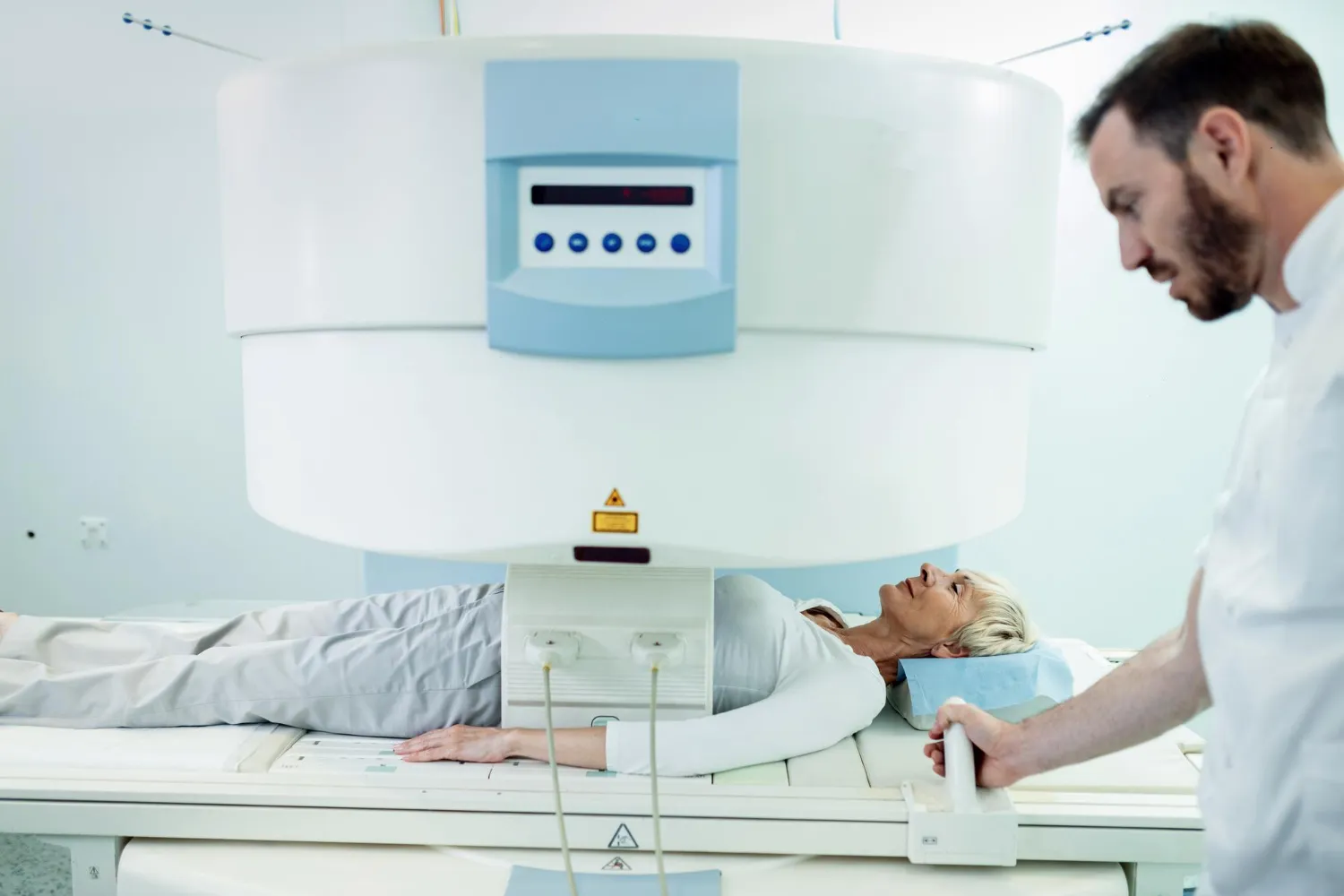
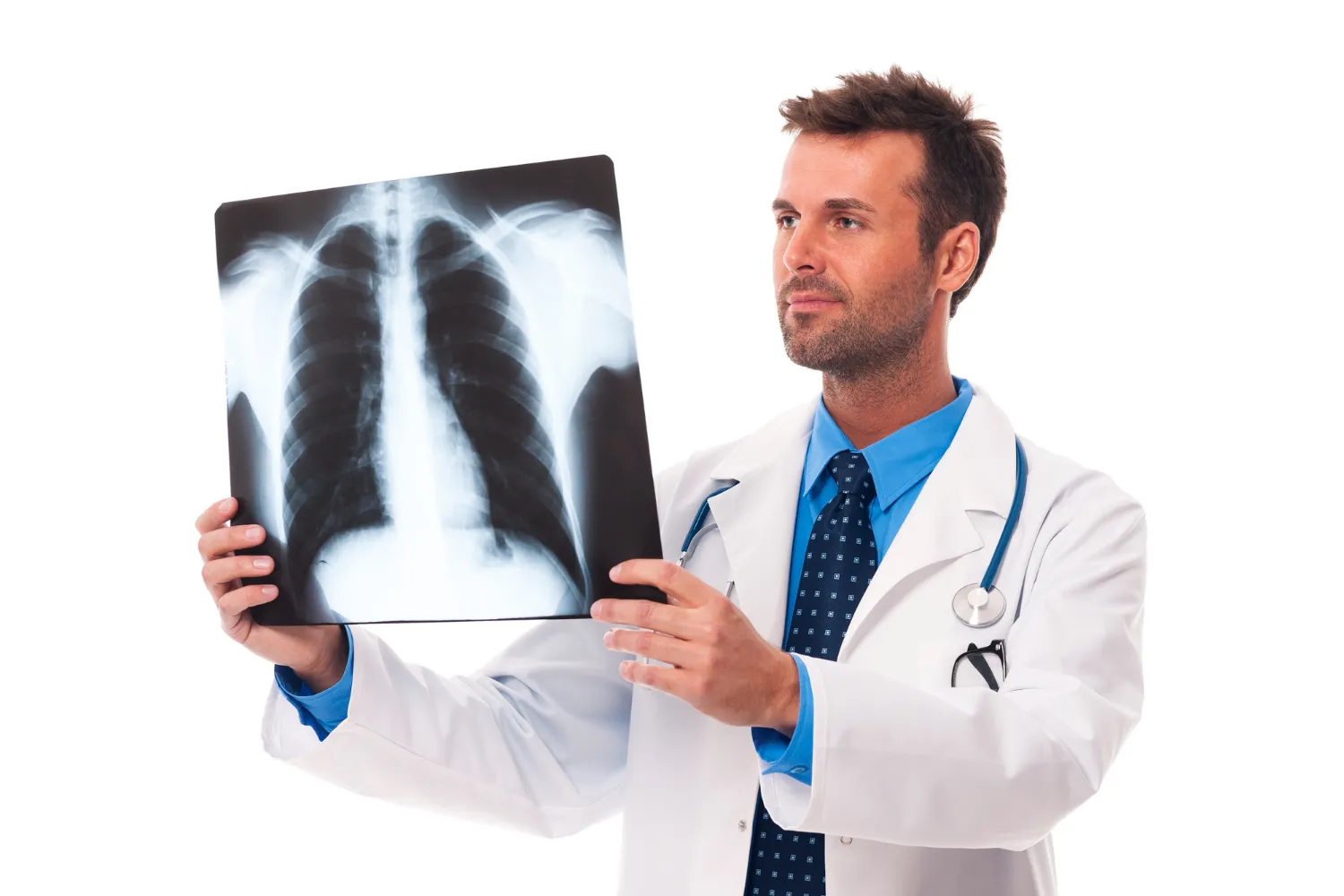
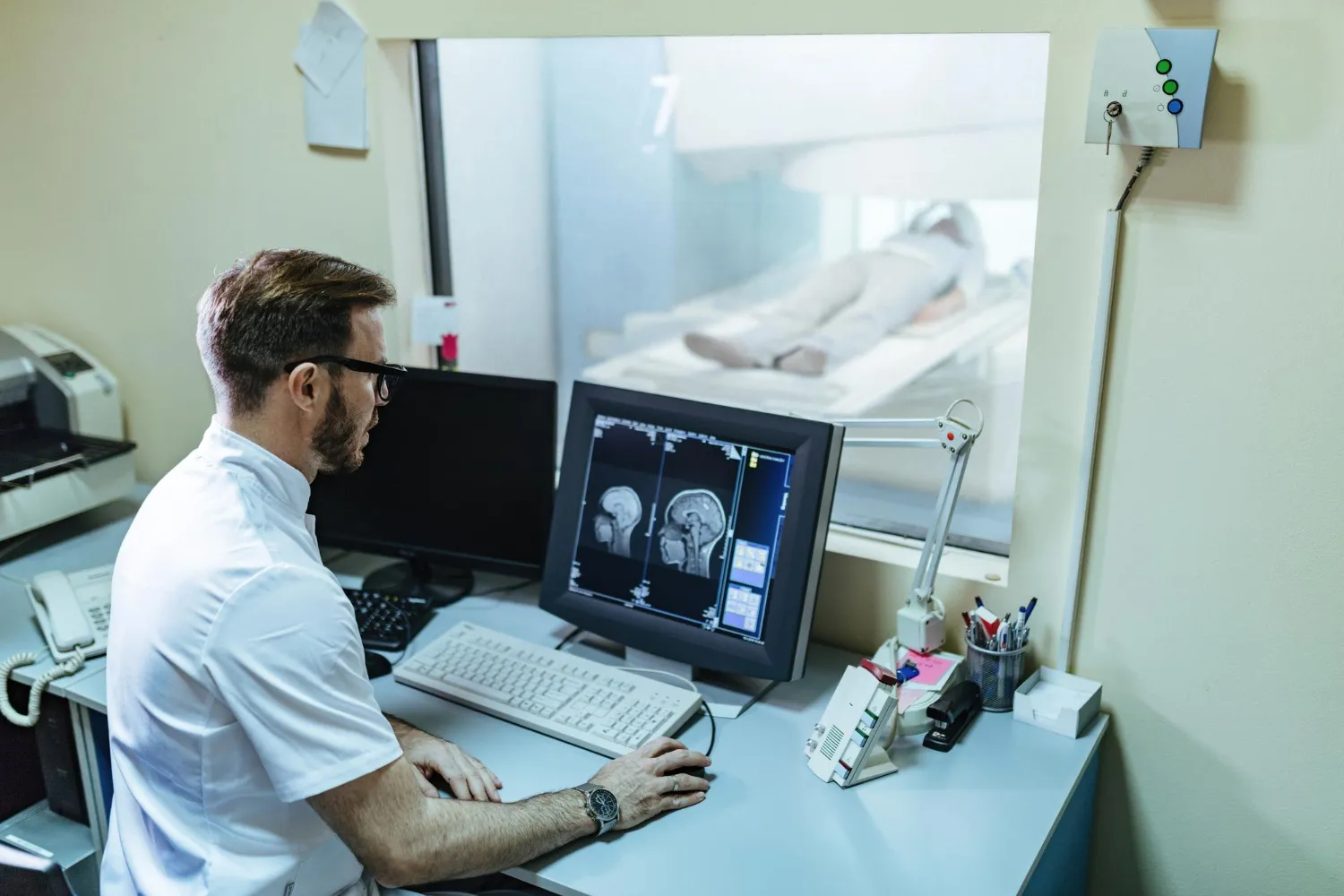
How Can AI Support Cardiac Imaging?
AI is also being studied and developed for cardiovascular imaging.
Potential applications include support for:
- Echocardiography
- Cardiac CT
- Cardiac MRI
- Nuclear cardiac imaging
AI may help with image analysis, measurements, segmentation and workflow-related tasks. However, imaging findings still need appropriate professional interpretation.
A scan should not be considered in isolation. Symptoms, medical history, examination findings and other diagnostic results remain important when evaluating a patient's condition.
Does AI Replace Cardiologists?
No. AI is a supporting technology and does not replace qualified healthcare professionals.
A cardiac diagnosis involves much more than recognising a pattern in a test result.
Healthcare professionals may consider:
- Symptoms
- Medical history
- Family history
- Cardiovascular risk factors
- Physical examination
- Laboratory findings
- ECG and other cardiac tests
- Imaging results
- Previous treatment and response
- The overall clinical picture
AI can assist with analysing information or highlighting patterns, but clinical interpretation and patient care require appropriate professional judgement.
How Should You Prepare for a Cardiac Diagnostic Test?
Preparation depends on the type of cardiac test being performed.
The preparation required for an ECG may differ from that required for a TMT or another cardiac investigation.
Before undergoing a test:
- Confirm the test and preparation requirements with the diagnostic centre or healthcare professional.
- Inform the healthcare team about relevant medical conditions and medications.
- Follow the specific instructions provided for your test.
- Ask whether any medication-related instructions apply to you.
- Do not stop or change prescribed medication unless advised by an appropriate healthcare professional.
Because preparation requirements can vary, always follow the instructions provided for the specific test.
What Happens After a Cardiac Diagnostic Test?
After a cardiac test, the results are reviewed and interpreted in the appropriate clinical context.
A test result by itself may not establish a diagnosis. Depending on the findings, symptoms and medical history, a healthcare professional may recommend:
- Further diagnostic testing
- Medical follow-up
- Monitoring
- Lifestyle or risk-factor management
- Referral to an appropriate specialist
The next step depends on the individual's circumstances and test findings.
Can a Heart Checkup Prevent Heart Disease?
A diagnostic test cannot by itself prevent heart disease.
However, appropriate evaluation can help identify certain cardiovascular risk factors or findings that may require further medical attention.
A broader approach to heart health may include:
- Regular health checkups
- Blood pressure monitoring
- Appropriate blood tests
- Regular physical activity
- Healthy nutrition
- Avoiding tobacco
- Maintaining a healthy weight
- Managing conditions such as diabetes and high cholesterol where applicable
- Following appropriate medical advice
Cardiac diagnostics are one part of a broader approach to cardiovascular health.
When Should You Seek Medical Attention?
People experiencing unexplained or recurring symptoms such as chest discomfort, breathlessness, palpitations, dizziness, fainting or unusual fatigue should discuss their symptoms with a healthcare professional.
Sudden or severe symptoms that may indicate a medical emergency require prompt medical attention.
Do not rely on an AI tool, online article or self-selected diagnostic test to determine whether an emergency is occurring.
The Future of AI in Cardiac Diagnostics
AI is becoming an increasingly important area of research and development in cardiovascular medicine.
Current work includes applications in ECG analysis, cardiac imaging, risk assessment and clinical decision support. At the same time, healthcare organizations and regulators continue to evaluate issues such as validation, safety, transparency, performance and appropriate clinical use.
The future of cardiac diagnostics is therefore not simply about replacing traditional tests with artificial intelligence. Instead, AI may increasingly work alongside established diagnostic methods and healthcare professionals to help analyse complex information and support clinical workflows.
Conclusion
Cardiac diagnostic tests provide important information about different aspects of heart health. ECG, ECHO, TMT and Holter monitoring each have different purposes, and the appropriate test depends on the person's symptoms, risk factors, medical history and clinical circumstances.
Artificial intelligence is creating new possibilities for cardiac data analysis and medical imaging. However, AI should be understood as a supporting technology rather than a substitute for professional medical evaluation.
For people concerned about their heart health, the appropriate approach is to discuss symptoms and risk factors with a qualified healthcare professional and undergo the diagnostic tests that are clinically appropriate.
At TruScan Diagnostics, diagnostic testing can provide healthcare professionals with information that may support patient evaluation. The appropriate test should be selected based on the individual's clinical needs and interpreted in the right medical context.
Related Reading: TMT Tests and Cardiac Function | Heart Health Checkup in JP Nagar
Book a Cardiac Diagnostic Test
TruScan Diagnostics offers ECG, ECHO and TMT testing at our JP Nagar centres, open 24 hours. Call +91 8956 600 600 to book.
Medical Disclaimer: This article is intended for educational purposes only and should not replace professional medical advice, diagnosis, or treatment. Always consult your treating physician regarding your symptoms, test results, or healthcare decisions.
TruScan Diagnostics, JP Nagar, Bengaluru
- JP Nagar 7th Phase: Manvi Arcade, WGHCS Layout, behind Ever Fine Supermarket, JP Nagar 7th Phase, Bengaluru 560078
- JP Nagar 2nd Phase: 213, 9th Cross Rd, KSRTC Layout, JP Nagar 2nd Phase, Bengaluru 560078
- Phone: +91 8956 600 600 (WhatsApp available)
- Website: truscan.in
- Instagram: @truscandiagnosticsofficial
- Facebook: facebook.com/truscandiagno
- Open 24 Hours
Frequently Asked Questions About Cardiac Diagnostic Tests
1. What are cardiac diagnostic tests?
Cardiac diagnostic tests are medical investigations used to evaluate different aspects of heart health. Common tests include ECG, ECHO, TMT and Holter monitoring.
2. Which tests are used to check heart health?
Depending on the clinical situation, a healthcare professional may recommend ECG, ECHO, TMT, Holter monitoring, blood tests or other investigations.
3. What is the difference between ECG, ECHO and TMT?
An ECG primarily records the heart's electrical activity, an ECHO evaluates heart structure and movement using ultrasound, and a TMT evaluates the heart's response to physical activity.
4. Is an ECG enough to check heart health?
An ECG provides important information about the heart's electrical activity, but it cannot evaluate every aspect of heart health. Additional tests may be required depending on symptoms and clinical findings.
5. Can AI diagnose heart disease?
AI can support the analysis of certain cardiac data and may identify patterns that require further clinical review. However, AI output should not be treated as an independent diagnosis.
6. Can AI replace a cardiologist?
No. AI can support certain diagnostic and analytical tasks, but medical diagnosis and patient care require appropriate professional oversight.