
Lung Function Test (PFT) at Home in Bangalore
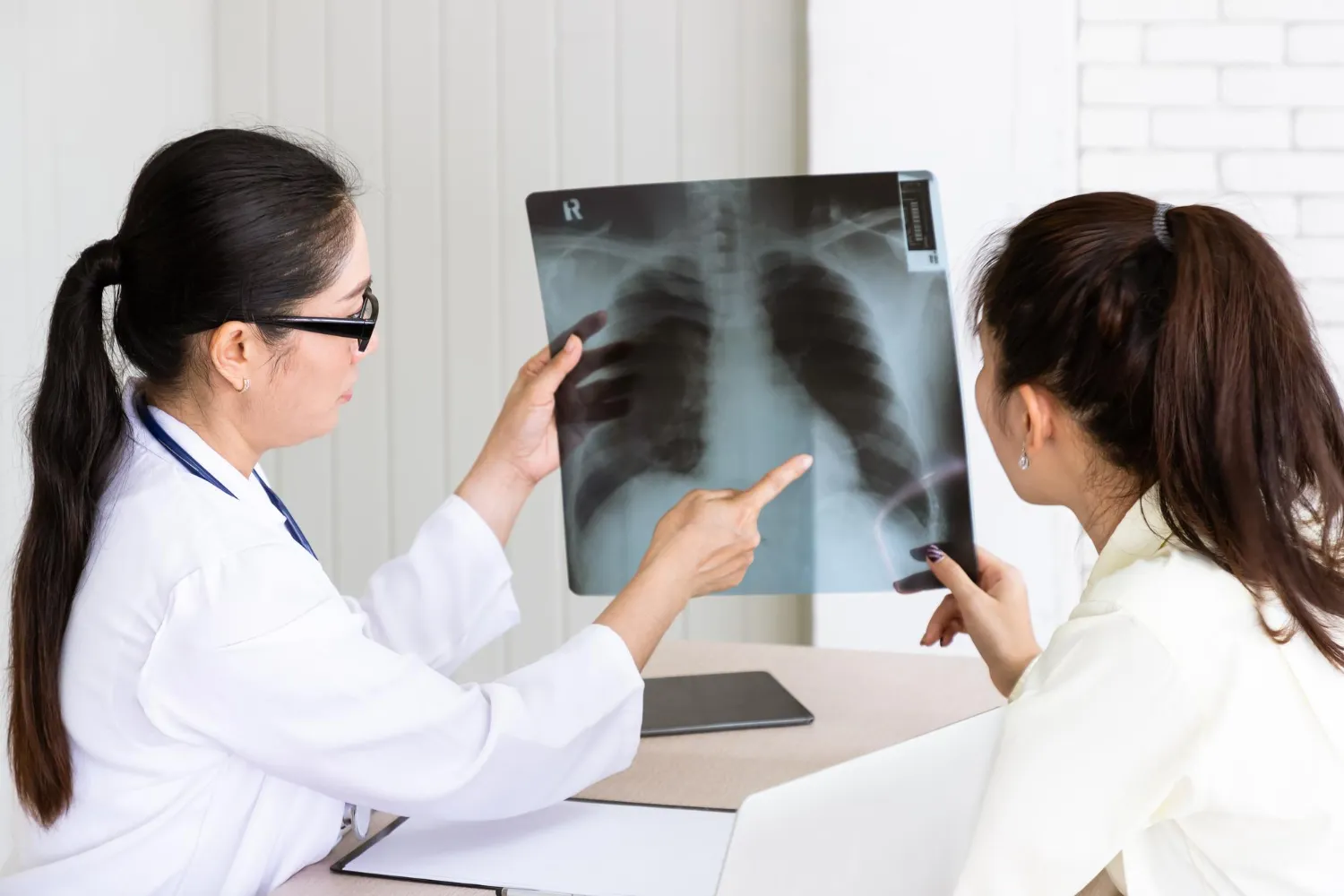
Breathing is something most of us take for granted until it becomes difficult. Whether it's climbing a flight of stairs, walking briskly, or simply carrying out daily activities, healthy lungs play a vital role in maintaining overall well-being. However, with increasing air pollution, changing lifestyles, respiratory infections, and post-COVID complications, lung health has become a growing concern for Bangalore residents.
Many people experience symptoms such as shortness of breath, wheezing, chronic cough, chest tightness, or reduced exercise tolerance but often ignore them until they become severe. Conditions like asthma, Chronic Obstructive Pulmonary Disease (COPD), bronchitis, allergies, and post-COVID respiratory issues require regular monitoring to ensure proper treatment and prevent complications.
Fortunately, advances in healthcare technology have made it possible to perform a Lung Function Test at Home in Bangalore. Using portable diagnostic equipment, healthcare professionals can assess lung performance in the comfort of your home, eliminating the need for stressful hospital visits.
This comprehensive guide explains what a lung function test is, how it works, who should get tested, and why home-based testing is becoming the preferred choice for many Bangalore residents.
What is a Lung Function Test?
A Lung Function Test, also known as a Pulmonary Function Test (PFT), measures how well your lungs are working.
The test evaluates:
- How much air your lungs can hold
- How effectively you inhale and exhale
- How efficiently oxygen moves into your bloodstream
- Whether your airways are narrowed or obstructed
Doctors use these measurements to diagnose, monitor, and manage various respiratory conditions.
Why Lung Health Matters More Than Ever in Bangalore
Bangalore is known for its pleasant weather and rapid urban growth. However, increased traffic, construction activities, industrial emissions, and environmental pollutants have contributed significantly to declining air quality.
Common Lung Health Challenges in Bangalore
- Vehicle pollution
- Dust exposure
- Construction debris
- Seasonal allergies
- Pollen sensitivity
- Industrial pollution
- Post-COVID respiratory complications
These factors can affect lung health even in people who have never smoked.
Regular lung function testing helps identify respiratory problems before they become severe.
What is Spirometry?
The most commonly performed lung function test is Spirometry.
Spirometry measures:
- How much air you inhale
- How much air you exhale
- How quickly you can exhale
During the test, you breathe into a specialized device called a spirometer.
The results help doctors understand whether your lungs are functioning normally or showing signs of disease.
How Does a Lung Function Test at Home Work?
Home-based lung testing follows the same clinical standards used in hospitals and diagnostic centers.
Step 1: Appointment Scheduling
A healthcare provider schedules a convenient time for the visit.
Step 2: Technician Visit
A trained respiratory technician arrives with portable spirometry equipment.
Step 3: Medical History Review
The technician may ask about:
- Existing respiratory conditions
- Smoking history
- Current medications
- Symptoms
Step 4: Test Performance
You will be instructed to:
- Take a deep breath
- Seal your lips around the mouthpiece
- Blow out forcefully
Several attempts are usually performed for accuracy.
Step 5: Data Analysis
The collected data is analyzed and interpreted by specialists.
Step 6: Report Generation
Results are shared digitally with patients and physicians.
Key Parameters Measured During Spirometry
Understanding your lung function report becomes easier when you know the main measurements.
FVC (Forced Vital Capacity)
Measures the total amount of air exhaled after taking the deepest breath possible.
A reduced FVC may indicate:
- Restrictive lung disease
- Lung scarring
- Respiratory muscle weakness
FEV1 (Forced Expiratory Volume in One Second)
Measures how much air you can forcefully exhale during the first second.
Lower values often indicate:
- Asthma
- COPD
- Airway obstruction
FEV1/FVC Ratio
This ratio helps doctors identify whether airway obstruction is present.
A low ratio commonly suggests:
- Asthma
- COPD
- Chronic bronchitis
Peak Expiratory Flow (PEF)
Measures the maximum speed of exhalation.
Lower values may indicate airway narrowing.
Who Should Get a Lung Function Test?
Many people assume only elderly patients require lung testing. In reality, people of all ages can benefit.
Individuals with Asthma
Regular testing helps:
- Monitor disease progression
- Assess treatment effectiveness
- Detect worsening symptoms
COPD Patients
People with Chronic Obstructive Pulmonary Disease require periodic monitoring to prevent complications.
Smokers and Former Smokers
Smoking damages lung tissue gradually.
Testing helps detect early signs of:
- COPD
- Chronic bronchitis
- Emphysema
Post-COVID Patients
Many individuals continue experiencing breathing difficulties months after recovering from COVID-19.
A lung function test helps evaluate residual lung damage.
Individuals with Chronic Cough
Persistent coughing should never be ignored.
Testing can help identify:
- Asthma
- Allergies
- Chronic infections
- Airway inflammation
Elderly Individuals
Age-related lung function decline can increase susceptibility to respiratory illnesses.
Routine monitoring supports early intervention.
Benefits of Lung Function Testing at Home
Home healthcare services are transforming respiratory diagnostics.
Comfort and Convenience
Patients can undergo testing in familiar surroundings without travel stress.
This is particularly helpful for:
- Elderly individuals
- Disabled patients
- People with severe breathing difficulties
Reduced Exposure to Infections
Hospitals and clinics often contain patients with contagious illnesses.
Home testing minimizes exposure to:
- Seasonal flu
- Viral infections
- Respiratory illnesses
More Accurate Results
Many patients perform better in their home environment.
Reduced anxiety often results in more reliable breathing patterns and test outcomes.
Time Savings
Bangalore traffic can significantly increase travel times.
Home testing eliminates:
- Commute time
- Waiting room delays
- Appointment scheduling conflicts
Personalized Attention
Technicians can focus entirely on one patient, ensuring proper test technique and accurate results.
Common Conditions Diagnosed Through Lung Function Tests
Asthma
Asthma causes airway inflammation and narrowing.
Symptoms include:
- Wheezing
- Shortness of breath
- Chest tightness
- Chronic cough
Regular monitoring helps prevent severe attacks.
COPD
COPD is a progressive lung disease commonly associated with smoking.
Symptoms include:
- Persistent cough
- Breathlessness
- Excess mucus production
Early diagnosis improves treatment outcomes.
Pulmonary Fibrosis
This condition causes lung tissue scarring, making breathing difficult.
PFT helps assess disease severity and progression.
Bronchitis
Chronic inflammation of airways can affect lung function.
Testing helps evaluate airway obstruction.
Occupational Lung Diseases
People exposed to:
- Dust
- Chemicals
- Industrial fumes
may benefit from regular screening.
Preparing for a Lung Function Test
To ensure accurate results:
Avoid Heavy Meals
Large meals can restrict lung expansion.
Avoid Smoking
Do not smoke for several hours before testing.
Wear Comfortable Clothing
Loose clothing allows unrestricted breathing.
Follow Medication Instructions
Some inhalers may need temporary adjustment before testing.
Always follow your doctor's guidance.
Understanding Your Results
Your report will compare your results to predicted normal values based on:
- Age
- Height
- Gender
- Ethnicity
Normal Results
Suggest healthy lung function.
Obstructive Pattern
May indicate:
- Asthma
- COPD
Restrictive Pattern
May indicate:
- Lung fibrosis
- Chest wall disorders
- Neuromuscular conditions
Your physician will interpret the findings and recommend treatment if necessary.
How Often Should Lung Function Testing Be Done?
Frequency depends on your condition.
Asthma Patients
Every 6 to 12 months or as advised.
COPD Patients
At least annually.
Smokers
Periodic screening may help detect early damage.
Post-COVID Patients
Testing may be recommended during recovery monitoring.
Why Home-Based Lung Testing is Growing in Bangalore
Healthcare preferences have changed significantly in recent years.
Patients increasingly value:
- Convenience
- Safety
- Personalized care
- Faster services
Home diagnostics align perfectly with these expectations.
As respiratory conditions continue to rise due to pollution and lifestyle factors, home-based lung function testing provides an accessible solution for proactive healthcare management.
Choosing the Right Home Lung Testing Service
When selecting a provider, consider:
Qualified Technicians
Ensure testing is performed by trained professionals.
Certified Equipment
Portable spirometers should meet medical standards.
Accurate Reporting
Reports should be reviewed by qualified specialists.
Timely Results
Quick turnaround enables faster treatment decisions.
Doctor Consultation Support
Integrated physician review adds significant value.
The Future of Respiratory Care
Technology is making respiratory healthcare more accessible than ever.
Home-based diagnostic services are helping patients:
- Detect disease earlier
- Monitor treatment effectiveness
- Improve quality of life
- Reduce hospital visits
For individuals living with asthma, COPD, allergies, or post-COVID complications, regular lung function testing can make a significant difference in long-term health outcomes.
Healthy lungs are essential for a healthy life. Unfortunately, many respiratory conditions develop gradually and remain undetected until symptoms become severe. Lung Function Testing provides valuable insight into your respiratory health, enabling early diagnosis and effective treatment.
For Bangalore residents dealing with pollution exposure, asthma, COPD, smoking-related risks, or post-COVID breathing difficulties, a Lung Function Test at Home offers a safe, convenient, and accurate way to monitor lung health without leaving home.
By choosing regular lung monitoring, you can take proactive steps toward better breathing, improved quality of life, and long-term respiratory wellness.