
Diabetes Diet Plan: Foods to Eat and Foods to Avoid (An Indian Guide)
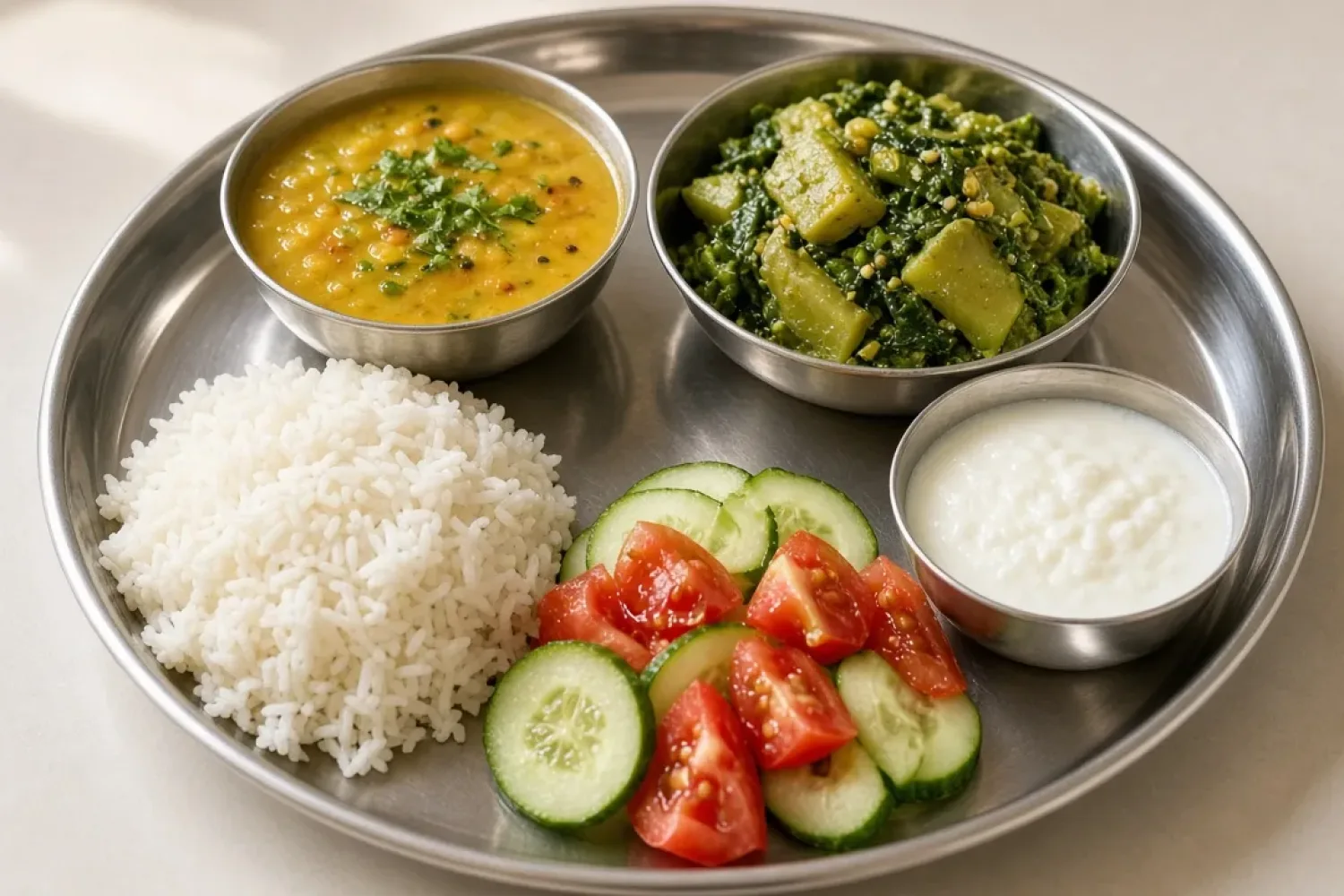
A diabetes diagnosis often creates one immediate question: “What can I eat now?”
Many people assume that managing diabetes means completely avoiding rice, fruits, traditional Indian meals, or anything that tastes sweet. In reality, diabetes nutrition is more nuanced. The goal is not necessarily to eliminate every carbohydrate or favourite food. Instead, a sustainable diabetes diet focuses on what you eat, how much you eat, how often you eat it, and what other foods you combine with it.
For people living with diabetes, food choices play an important role in maintaining blood glucose within an appropriate target range. A balanced eating pattern can also support healthy body weight, cardiovascular health, and overall well-being.
Health organizations like the Centers for Disease Control and Prevention (CDC) recommend considering nutrition needs, lifestyle, preferences, and medications when developing a diabetes meal plan. They also highlight approaches such as carbohydrate awareness and the Plate Method. For Indian families, diabetes meal planning can be especially practical when traditional foods are modified rather than completely eliminated.
What Is a Diabetes-Friendly Diet?
A diabetes-friendly diet is an eating pattern designed to provide adequate nutrition while helping manage blood glucose.
There is no universal diabetes diet that works exactly the same way for everyone. A meal plan depends on several individual factors:
- Type of diabetes
- Age and body weight
- Physical activity level
- Medications and insulin use
- Other medical conditions
- Personal food preferences and cultural eating patterns
- Individual blood glucose response
Therefore, the question should not simply be “Which foods are good for diabetes?”
A better question is: “How can I build balanced meals that fit my health needs?”
A practical starting point is to include plenty of non-starchy vegetables, an appropriate protein source, and a controlled portion of carbohydrate-containing foods.
The Diabetes Plate Method
One of the simplest ways to think about a diabetes-friendly meal is the Plate Method. The CDC recommends filling approximately:
- ½ of the plate with non-starchy vegetables
- ¼ of the plate with lean protein
- ¼ of the plate with carbohydrate-containing foods
- Beverage: Water or a low-calorie drink
This approach is particularly useful for Indian meals because it focuses on proportions rather than requiring people to weigh every ingredient. For example, instead of eating a large serving of rice with a small amount of vegetable curry, the meal can be structured around vegetables first, followed by protein, and a controlled rice portion.
Foods to Eat With Diabetes
1. Non-Starchy Vegetables
Vegetables should form a significant part of diabetes-friendly meals. They provide fiber, vitamins, and minerals while contributing fewer carbohydrates than rice, bread, or potatoes.
Good options include:
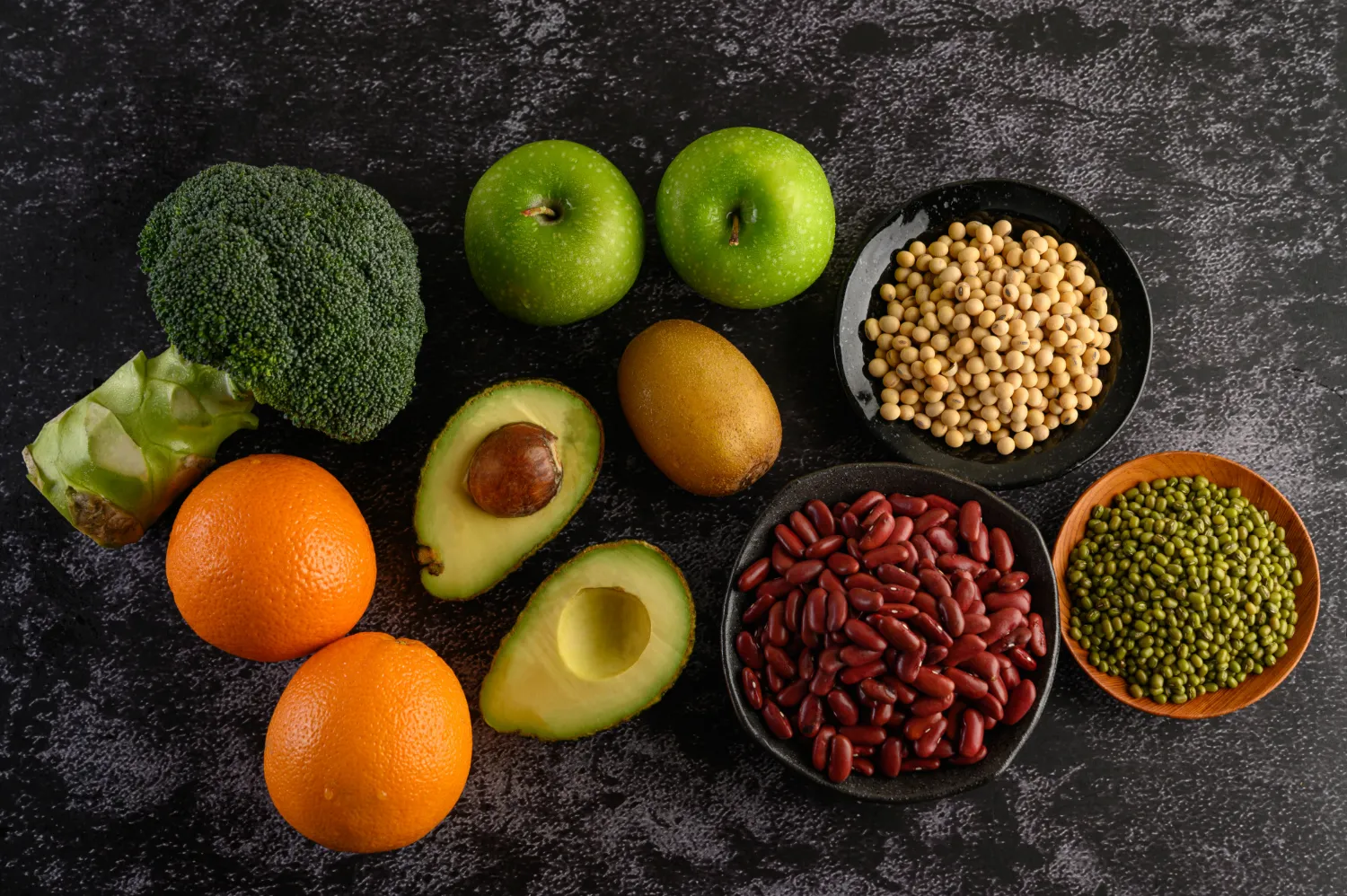
- Leafy Greens: Spinach (palak), fenugreek (methi), green leafy vegetables
- Gourds: Bitter gourd (karela), bottle gourd (lauki), ridge gourd (turai)
- Cruciferous & Others: Cabbage, cauliflower, broccoli, beans, cucumber, tomato, capsicum, brinjal, radish
Tip: Include vegetables at lunch and dinner rather than treating them as an optional side dish.
2. Protein-Rich Foods
Protein helps make meals more satisfying and can slow down digestion when paired with carbohydrates.
Suitable protein sources include:
- Vegetarian: Dal, chickpeas, green gram, sprouts, beans, paneer, tofu, unsweetened curd
- Non-Vegetarian: Eggs, fish, chicken
3. Whole Fruits
A common misconception is that people with diabetes should never eat fruit. Whole fruit can be part of a balanced diet when portion size and total carbohydrate intake are managed.
Good options include:
- Guava, apple, orange, pear, papaya, berries, pomegranate, and melon
Note: Whole fruit is preferable to fruit juice because juice provides quick carbohydrates without the intact fiber found in whole fruit. Fruit juice can raise blood glucose much faster than whole fruit.
4. Whole Grains and High-Fibre Carbohydrates
Carbohydrates are not automatically unhealthy. High-fiber options can be included in appropriate portions:
- Whole wheat, oats, barley, brown rice, selected millets, and whole-grain preparations
Caution: A food being labeled “whole grain” or “healthy” does not mean unlimited quantities are appropriate for blood glucose management.
Common Questions About Indian Carbohydrates
Can People With Diabetes Eat Rice?
Yes. Rice can be included in a diabetes meal plan depending on overall dietary requirements and blood glucose response. The quantity eaten and the foods eaten alongside it matter.
- Less balanced meal: Large serving of white rice + potato curry + fried side dish
- More balanced approach: Controlled rice portion + large serving of vegetables + dal/protein + salad
What About Ragi, Millets, and Other “Healthy” Grains?
Millets (ragi, jowar, bajra) and traditional grains are nutritious additions to a varied diet. However, assuming that a food labeled “diabetic-friendly,” “millet-based,” or “sugar-free” can be consumed without portion control is a common mistake. Millets still contain carbohydrates, so overall portion size remains important.
Foods to Limit or Avoid With Diabetes
1. Sugary Drinks
Sugary beverages deliver a large amount of sugar quickly without offering fullness.
- Soft drinks, sweetened packaged juices, sweetened tea/coffee, energy drinks, and sugar-heavy milkshakes
2. Sweets and Desserts
Indian sweets contain high amounts of sugar and refined carbohydrates.
- Gulab jamun, jalebi, mysore pak, laddu, rasgulla, cakes, pastries, and sweet biscuits
3. Refined Carbohydrates
Highly refined foods are easily overconsumed and contain less dietary fiber.
- Maida-based bakery products, white bread, sweet biscuits, cakes, pastries, refined noodles, and packaged snacks
4. Deep-Fried Foods
Pakoda, bhajji, samosa, and deep-fried fast foods add substantial calories and fat, which can make weight management difficult and affect cardiovascular health.
Is “Sugar-Free” Food Safe for Diabetes?
Not necessarily. “Sugar-free” does not automatically mean “low carbohydrate” or “low calorie.” Some packaged foods use alternative sweeteners but still contain substantial amounts of carbohydrates or fats. Always check the nutritional facts label.
Diabetes-Friendly Meal Ideas
Breakfast Ideas
- Vegetable omelette with a whole-grain accompaniment
- Vegetable oats or vegetable upma (in a controlled portion)
- Idli with sambar and vegetables
- Vegetable dosa with a protein-rich side
- Moong dal chilla
- Unsweetened curd with suitable seeds/additions
Lunch & Dinner Ideas
- Vegetables: Large serving of cooked vegetable curry or salad
- Protein: Dal, sprouts, fish, chicken, paneer, or tofu
- Carbohydrates: Controlled portion of rice or whole-wheat/millet roti
- Dairy: Unsweetened curd where appropriate
Common Diabetes Diet Mistakes
Eliminating All Carbohydrates
Carbohydrates are present in many nutritious foods; complete removal is rarely necessary.
Drinking Fruit Juice Instead of Eating Fruit
Juice lacks fiber and raises blood sugar faster.
Overeating “Healthy” Foods
Nuts, seeds, millets, and whole grains still contain calories and carbohydrates that require portion control.
Skipping Meals
Skipping meals can cause blood sugar fluctuations, especially for individuals taking certain medications.
Changing Medication Based on Diet Alone
Medication adjustments should only be made under direct medical guidance.
Why Blood Glucose Monitoring and Diagnostic Testing Matter
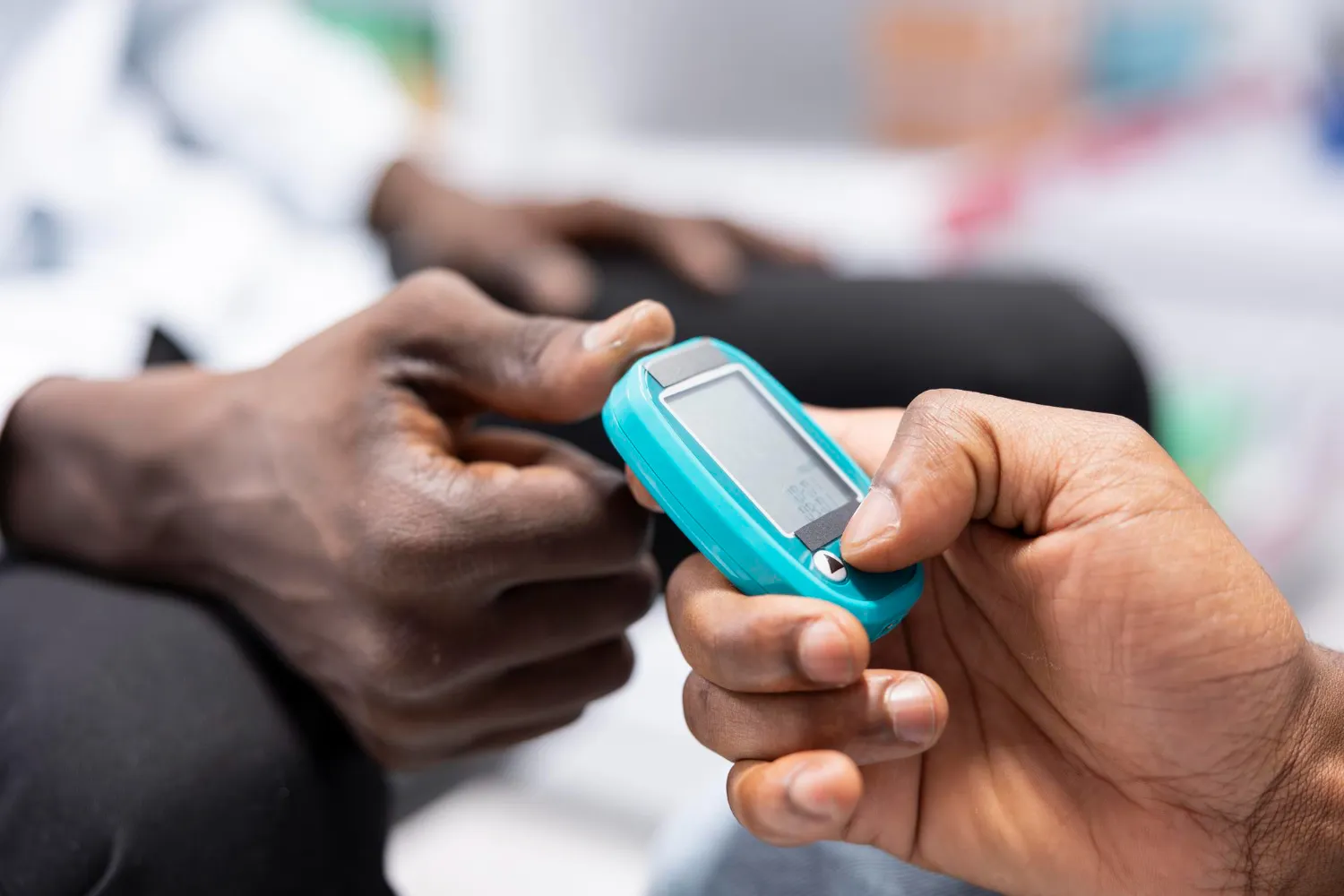
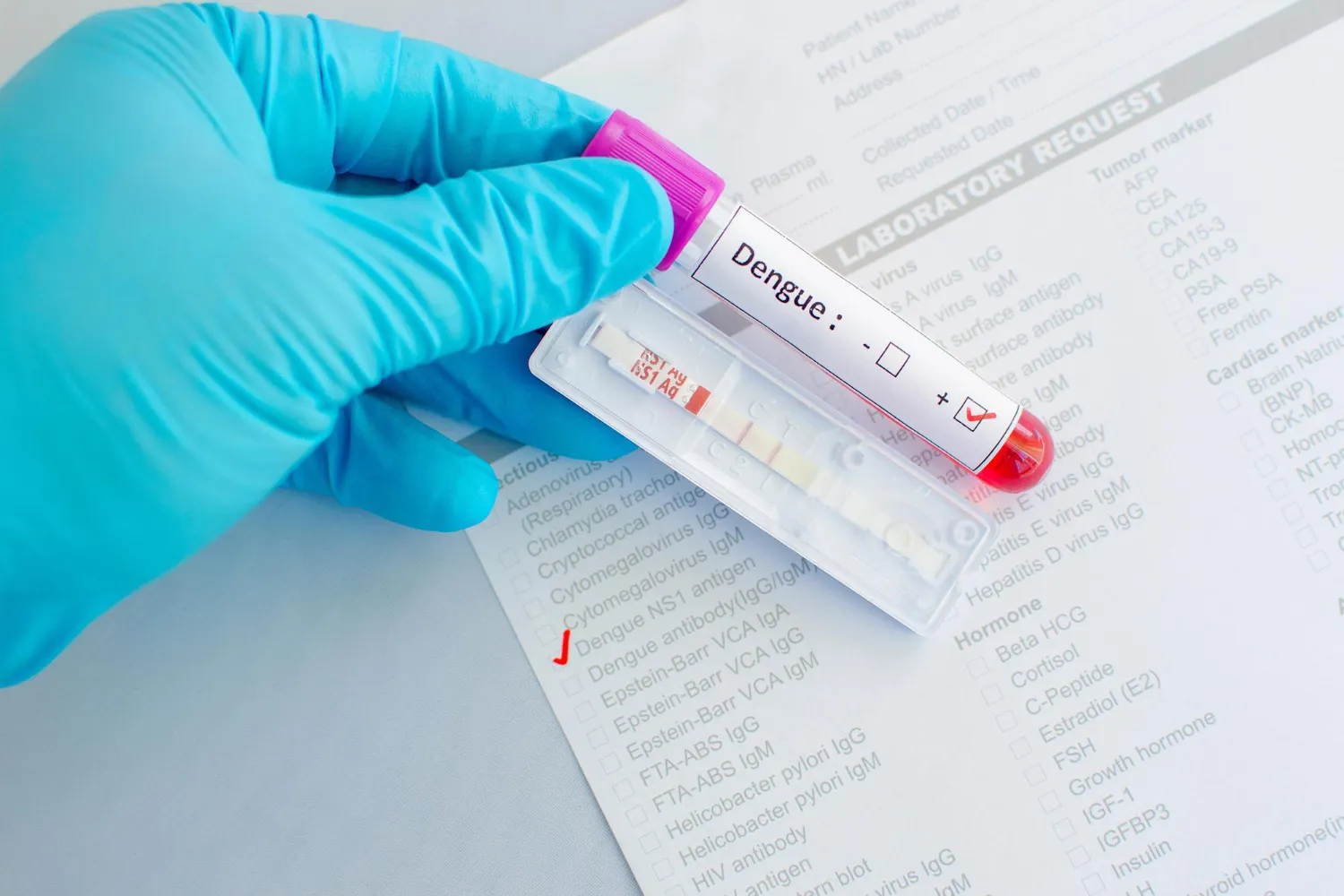
Food is only one component of diabetes management. Depending on your health profile, healthcare professionals may recommend routine lab testing:
- Blood Glucose Monitoring & HbA1c Testing
- Lipid Profile (Heart Health)
- Kidney & Liver Function Assessments
- Blood Pressure Checks
Testing helps evaluate how well your diet, lifestyle, and treatment plan are working together. Diagnostic centers like TruScan Diagnostics offer services such as pathology testing and the TruScan Basic Health Package to support routine laboratory evaluation when clinically recommended. Laboratory results should always be interpreted by a qualified doctor in the context of your medical history.
Related Reading: Blood Sugar Testing
Book a Health Check
TruScan Diagnostics offers pathology testing and the TruScan Basic Health Package at our JP Nagar centres, open 24 hours. Call +91 8956 600 600 to book.
Medical Disclaimer: This article is intended for educational purposes only and should not replace professional medical advice, diagnosis, or treatment. Always consult your treating physician regarding your symptoms, test results, or healthcare decisions.
TruScan Diagnostics, JP Nagar, Bengaluru
- JP Nagar 7th Phase: Manvi Arcade, WGHCS Layout, behind Ever Fine Supermarket, JP Nagar 7th Phase, Bengaluru 560078
- JP Nagar 2nd Phase: 213, 9th Cross Rd, KSRTC Layout, JP Nagar 2nd Phase, Bengaluru 560078
- Phone: +91 8956 600 600 (WhatsApp available)
- Website: truscan.in
- Instagram: @truscandiagnosticsofficial
- Facebook: facebook.com/truscandiagno
- Open 24 Hours
Frequently Asked Questions (FAQs)
What are the best foods to eat for diabetes?
A diabetes-friendly diet includes plenty of non-starchy vegetables (like spinach, methi, cauliflower, cucumber, and bitter gourd), protein sources (dal, sprouts, paneer, tofu, eggs, and fish), whole fruits in controlled portions, and fibre-rich whole grains (oats, brown rice, whole wheat, and millets).
What foods should people with diabetes avoid or limit?
It is best to limit or avoid sugary beverages (soft drinks, packaged juices, sweetened tea/coffee), refined carbohydrates (maida products, white bread, bakery biscuits), traditional sweets (gulab jamun, jalebi, laddu), and deep-fried foods (samosa, pakoda, bhajji).
Can people with diabetes eat rice?
Yes. Rice can be part of a diabetes diet. The key is portion control and meal balance. Instead of eating a large plate of rice alone, keep the rice portion to about ¼ of your plate and combine it with plenty of non-starchy vegetables and a good protein source like dal, sprouts, or chicken.
Is brown rice better than white rice for diabetes?
Brown rice generally contains more dietary fibre and nutrients than white rice, which helps slow down digestion. However, brown rice still contains carbohydrates, so portion control is equally important for both white and brown rice.
Can diabetics eat fruits?
Yes, whole fruits can be eaten. Fruits like guava, apple, orange, papaya, pear, and berries offer valuable vitamins and fibre. However, eat whole fruit instead of drinking fruit juice, as juices lack intact fibre and can raise blood sugar levels quickly.
Can people with diabetes eat ragi, jowar, or other millets without limits?
No. While millets like ragi, jowar, and bajra are rich in fibre and minerals, they still contain carbohydrates. Eating large portions of millet-based foods (like ragi dosa or millet roti) will still impact blood sugar, so portion control remains necessary.
Are "sugar-free" packaged foods completely safe for diabetes?
Not necessarily. A label that says "sugar-free" does not mean it is free from carbohydrates, calories, or fat. Always read the Nutritional Information panel to check the total carbohydrate content rather than relying only on front-of-pack claims.
Should people with diabetes get regular blood tests?
Yes. Nutrition is only one part of diabetes management. Routine diagnostic checks—such as HbA1c, Fasting Blood Glucose, Postprandial Blood Glucose, Lipid Profile, and Kidney Function Tests—help your doctor evaluate how well your diet, lifestyle, and medications are working.
Where can I get diabetes-related lab tests in Bengaluru?
Patients in Bengaluru can access diagnostic facilities like TruScan Diagnostics, which offer relevant pathology services and routine health checkup packages (such as the TruScan Basic Health Package) as recommended by their physician.