
Fibroids Explained: Do You Need an Ultrasound or Just Monitoring?
Uterine fibroids are extremely common, and most don't need any treatment at all. An ultrasound is the primary tool doctors use to confirm a fibroid is actually a fibroid, measure its size and location, and decide whether it simply needs periodic monitoring or requires further evaluation. The right answer depends almost entirely on your symptoms, the fibroid's size and position, and whether it's growing over time — not on the diagnosis alone.
What Are Uterine Fibroids?
Fibroids are non-cancerous growths that develop in or around the uterus, made up of muscle and fibrous tissue. They range from the size of a small seed to large masses that can distort the shape of the uterus. Many women have fibroids without ever knowing it, since a significant number cause no symptoms at all and are only discovered incidentally during a routine scan.
Common Symptoms of Fibroids
Fibroids can cause heavy or prolonged menstrual bleeding, pelvic pressure or a feeling of fullness, frequent urination if a fibroid presses on the bladder, lower back pain, pain during intercourse, or in some cases, difficulty conceiving. However, many fibroids produce no symptoms whatsoever, which is why imaging plays such a central role in diagnosis rather than symptoms alone.
How Is an Ultrasound Used to Diagnose Fibroids?
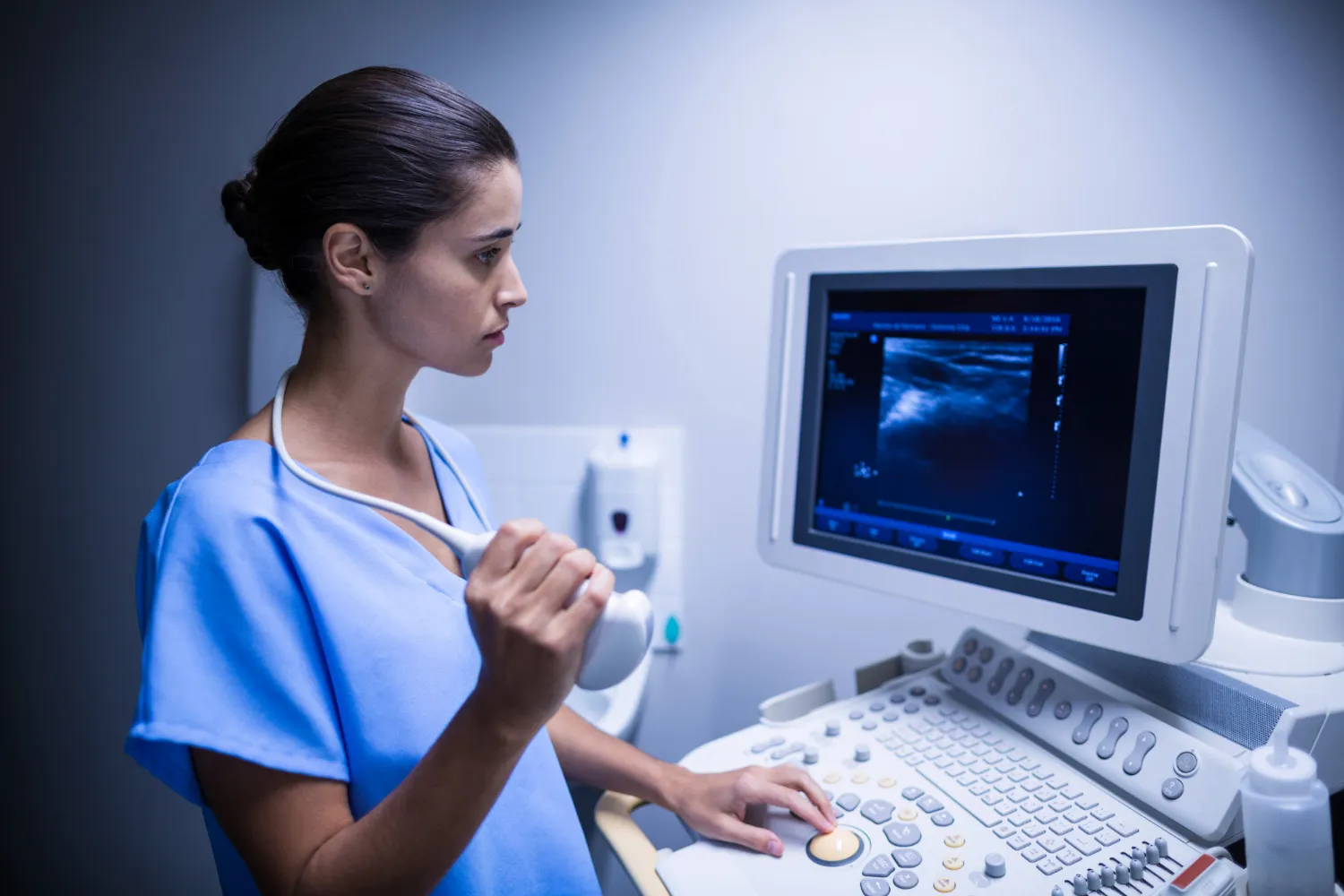
An ultrasound uses sound waves to create real-time images of the uterus, allowing a doctor to see the number, size, and location of fibroids. It can distinguish between a fibroid and other pelvic findings such as ovarian cysts, and it can be repeated safely over time to track whether a fibroid is growing, shrinking, or staying stable. This makes it the standard first-line test whenever fibroids are suspected. When more detail about blood flow is needed, a doctor may add a Doppler ultrasound to the same examination.
Transabdominal vs Transvaginal Ultrasound for Fibroids
A transabdominal ultrasound scans over the lower abdomen and gives a broad overview of the uterus, useful for larger fibroids. A transvaginal ultrasound uses a probe for a closer, more detailed view and is often better for smaller fibroids or for assessing their exact position relative to the uterine lining. Doctors sometimes use both in the same visit to get a complete picture.
Do All Fibroids Need Treatment?
No. The majority of fibroids are small, cause no symptoms, and never require treatment. In these cases, doctors typically recommend periodic monitoring with a follow-up ultrasound every six to twelve months to confirm the fibroid remains stable. Treatment becomes a consideration only when a fibroid is causing symptoms, growing quickly, affecting fertility, or is large enough to cause pressure on nearby organs.
When Is Monitoring Enough?
Monitoring alone is usually appropriate when the fibroid is small, there are no symptoms or only mild ones, the fibroid has remained stable on repeat scans, and there's no impact on fertility plans. Your doctor may recommend a repeat ultrasound at a set interval simply to confirm nothing has changed.
When Might You Need Further Evaluation or Treatment?
Further evaluation is usually considered when bleeding is heavy enough to cause anemia, pain is persistent or worsening, the fibroid is growing rapidly between scans, it's affecting fertility or pregnancy, or it's large enough to press on the bladder or bowel. In these cases, your doctor may discuss options ranging from medication to procedures, depending on your specific situation, age, and future fertility plans.
Who Should Get Screened for Fibroids?
Women with heavy or prolonged periods, pelvic pressure or pain, difficulty conceiving, or a family history of fibroids are common candidates for an ultrasound evaluation. Fibroids are also more common as women approach their 40s, so unexplained changes in bleeding patterns during this time are worth investigating.
How to Prepare for a Fibroid Ultrasound
For a transabdominal scan, arriving with a full bladder helps produce clearer images. For a transvaginal scan, a full bladder isn't required. No fasting or medication changes are typically needed, but your doctor or the diagnostic centre will confirm specific instructions when you book.
What Happens During the Scan
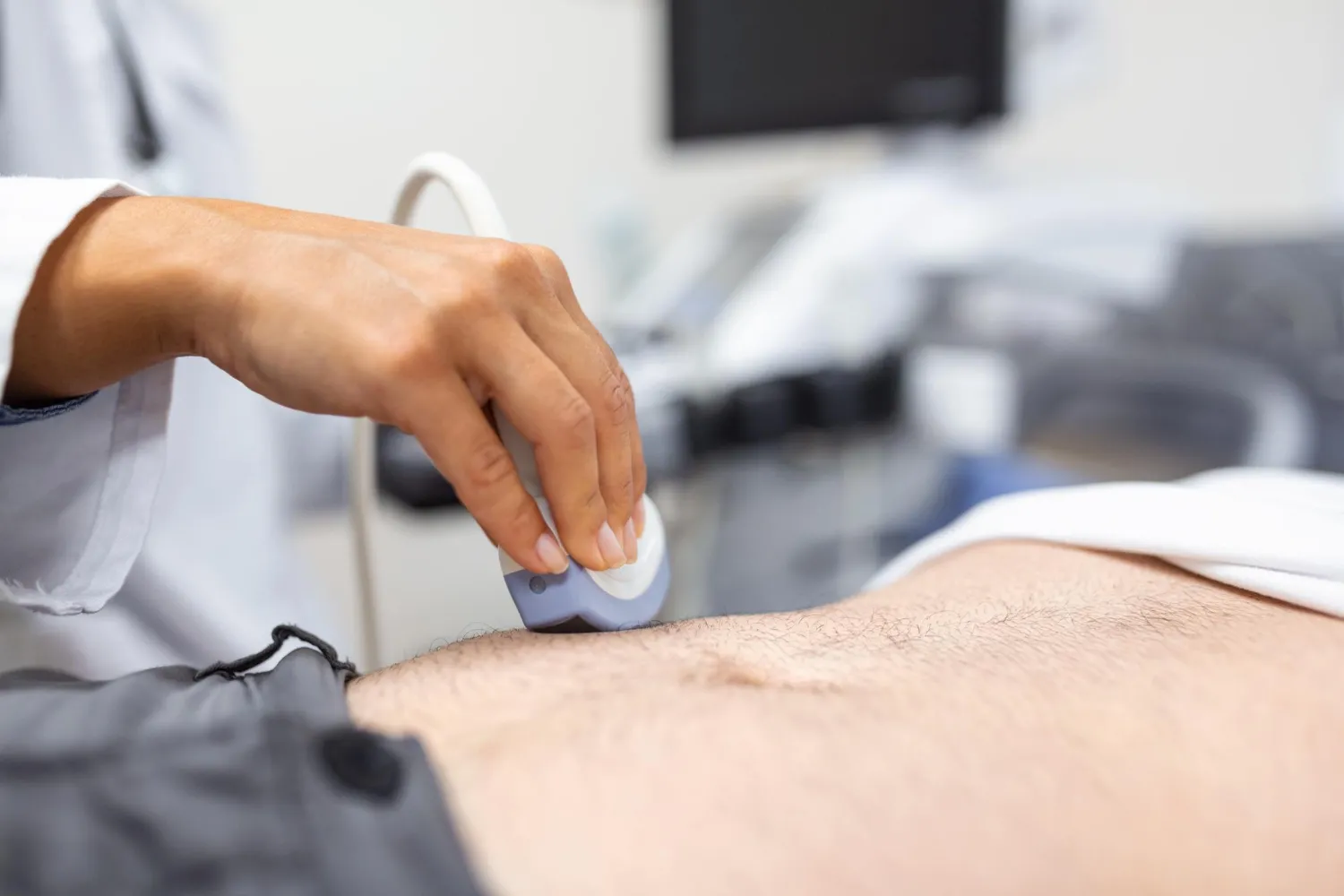
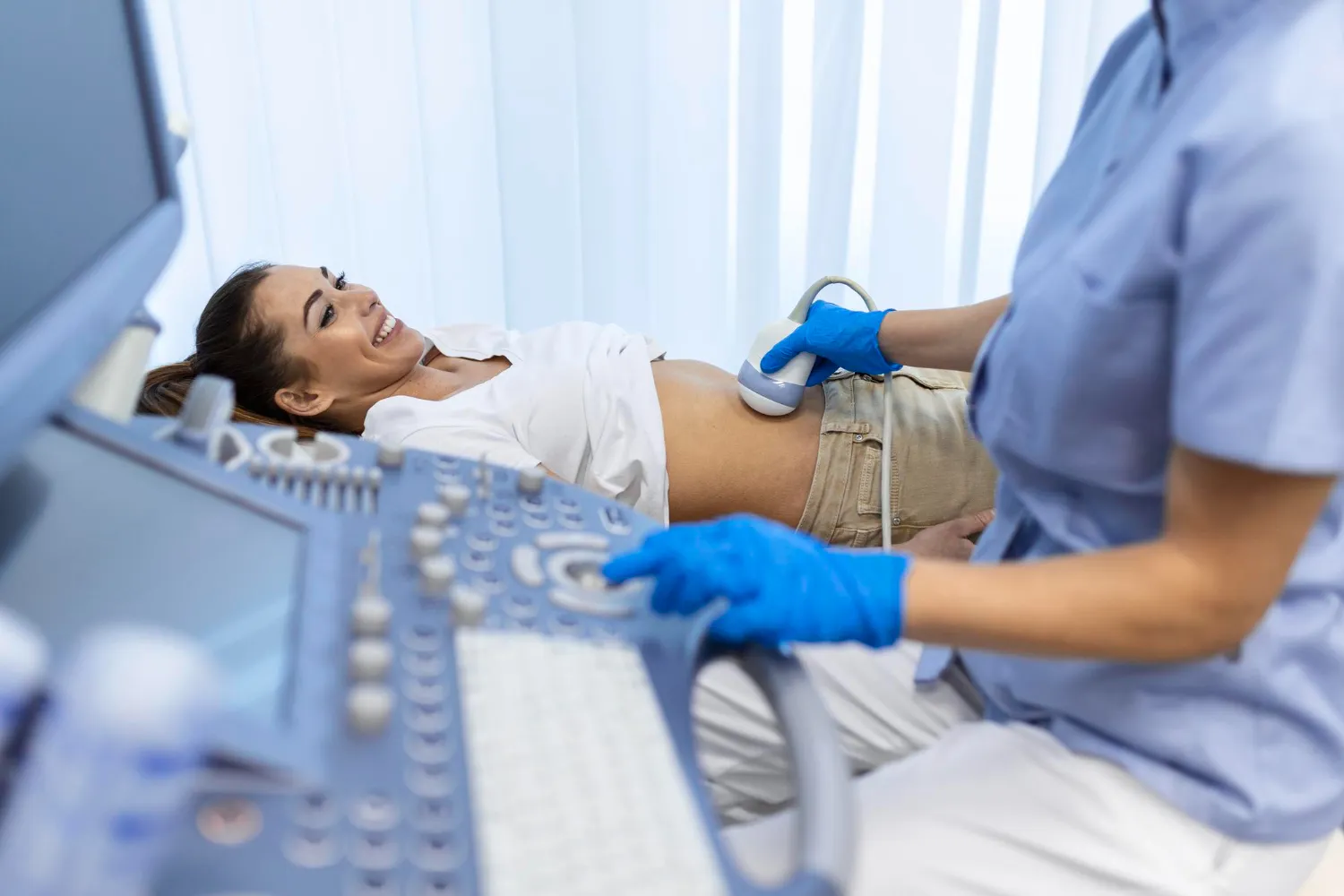
You'll lie down on the exam table. For a transabdominal scan, gel is applied to the lower abdomen and a probe is moved across the area. For a transvaginal scan, a thin, covered probe is used for a closer view. The scan is quick, generally painless, and you can return to normal activity immediately afterward.
Understanding Your Results
Your ultrasound report will typically note the number, size, and location of any fibroids found. Small, stable fibroids often need nothing more than a follow-up scan down the line. Larger or symptomatic fibroids may prompt your doctor to discuss further options. As always, don't try to interpret size measurements or terminology on your own — your doctor will explain what the findings mean for your specific case.
A fibroid diagnosis isn't automatically a call for treatment. An ultrasound gives your doctor the size, location, and growth pattern needed to decide whether monitoring is enough or whether further evaluation is warranted. If you're experiencing heavy bleeding, pelvic pressure, or unexplained pain, get it checked rather than assuming it will resolve on its own.
Related Reading: How to Choose the Best Ultrasound Service in Your Area
Book Your Fibroid Ultrasound
TruScan Diagnostics offers pelvic ultrasound and Doppler imaging at our JP Nagar centres, open 24 hours. Call +91 8956 600 600 to book.
Medical Disclaimer: This article is intended for educational purposes only and should not replace professional medical advice, diagnosis, or treatment. Always consult your treating physician regarding your symptoms, imaging results, or healthcare decisions.
TruScan Diagnostics, JP Nagar, Bengaluru
- JP Nagar 7th Phase: Manvi Arcade, WGHCS Layout, behind Ever Fine Supermarket, JP Nagar 7th Phase, Bengaluru 560078
- JP Nagar 2nd Phase: 213, 9th Cross Rd, KSRTC Layout, JP Nagar 2nd Phase, Bengaluru 560078
- Phone: +91 8956 600 600 (WhatsApp available)
- Website: truscan.in
- Instagram: @truscandiagnosticsofficial
- Facebook: facebook.com/truscandiagno
- Open 24 Hours
Frequently Asked Questions
Everything you need to know about our service
Can an ultrasound tell if a fibroid is dangerous?
An ultrasound can't determine whether a growth is cancerous with certainty, but fibroids are overwhelmingly non-cancerous. If a growth looks unusual, your doctor may recommend further imaging or evaluation.
Do fibroids need surgery?
Not usually. Most fibroids are managed with monitoring or medication. Surgery is only considered for larger fibroids causing significant symptoms or fertility issues.
Can fibroids shrink on their own?
Yes, fibroids can shrink, particularly after menopause when hormone levels drop. Regular monitoring can track this over time.
How often should fibroids be monitored with ultrasound?
This varies by case, but every six to twelve months is common for stable, asymptomatic fibroids. Your doctor will set the right interval for you.
Can fibroids affect fertility or pregnancy?
Some fibroids, particularly those distorting the uterine cavity, can affect fertility or pregnancy. This is evaluated on a case-by-case basis using ultrasound findings.
Is a fibroid ultrasound painful?
No. It's a well-tolerated, non-invasive procedure whether performed transabdominally or transvaginally.
Where can I get a fibroid ultrasound in JP Nagar?
TruScan Diagnostics offers pelvic ultrasound imaging for fibroid diagnosis and monitoring at both its JP Nagar centres, open 24 hours. Learn more on our Ultrasound page.