
DEXA Scan for Bone Density: Benefits, Results & Osteoporosis Screening
DEXA Scan: Complete Guide to Bone Density Testing and Osteoporosis Screening
Introduction
Most people think about their bone health only after experiencing a fracture, joint pain, or mobility issues. However, bone loss often develops silently over many years without any noticeable symptoms. By the time a fracture occurs, significant bone density may already be lost.
This is why doctors recommend regular bone density screening, especially for women after menopause, older adults, and individuals with risk factors for osteoporosis. One of the most accurate and widely used methods for assessing bone health is the DEXA Scan.
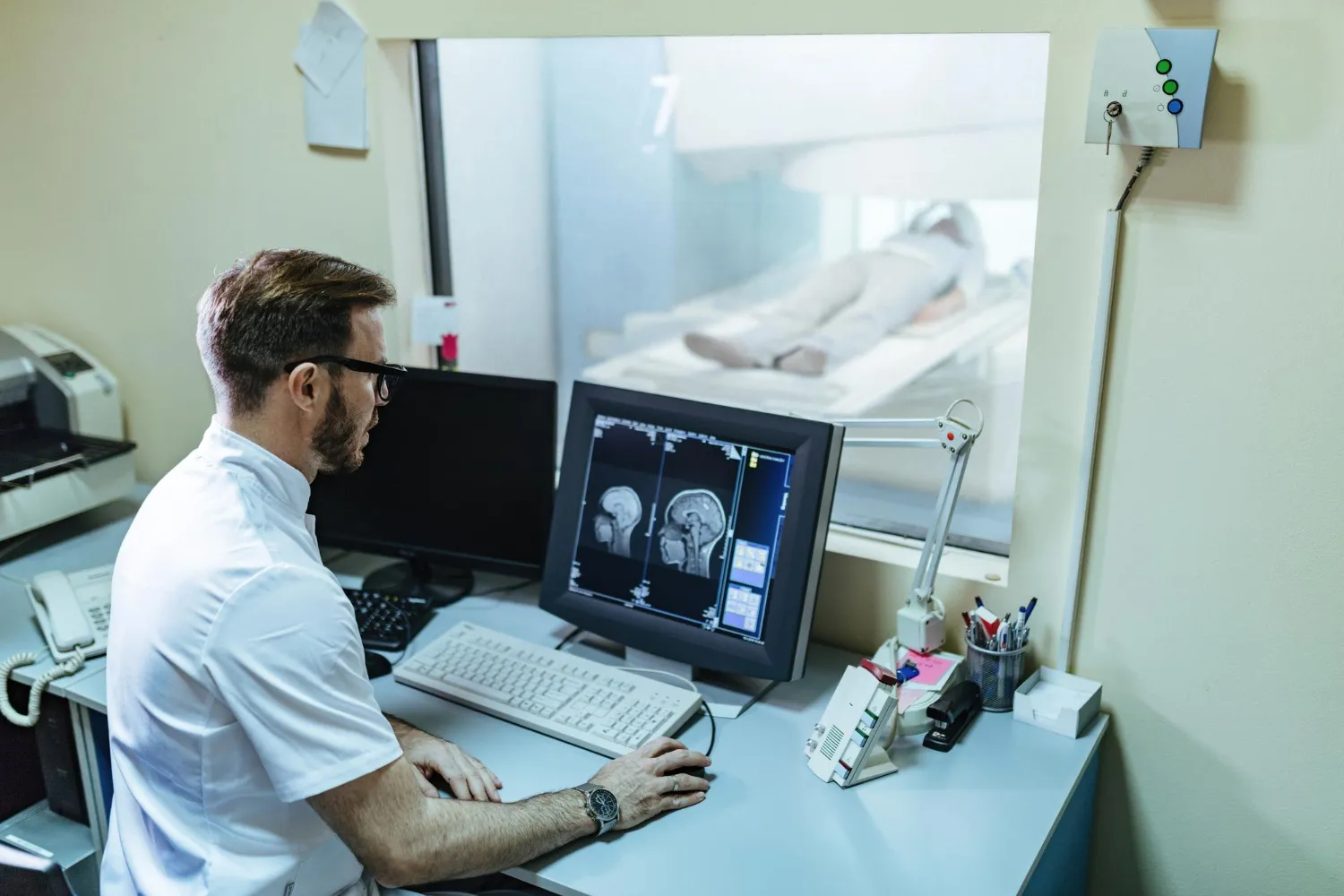
A DEXA Scan, also known as Dual-Energy X-ray Absorptiometry, is a simple, painless, and highly effective imaging test that measures bone mineral density (BMD). It helps identify early bone loss, diagnose osteoporosis, assess fracture risk, and monitor treatment effectiveness.
In this comprehensive guide, you'll learn everything you need to know about DEXA scans, including how they work, who needs one, how to interpret the results, and why early bone density testing is crucial for maintaining long-term bone health.
What is a DEXA Scan?
DEXA stands for Dual-Energy X-ray Absorptiometry.
It is considered the gold standard test for measuring bone mineral density.
The scan uses very low-dose X-rays to determine how strong and dense your bones are. It helps doctors evaluate calcium and other mineral levels in specific bones.
The most commonly scanned areas include:
- Hip
- Lower Spine
- Femoral Neck
- Forearm (in selected cases)
The results help determine whether a person has:
- Normal Bone Density
- Osteopenia (Low Bone Density)
- Osteoporosis
Why is Bone Density Important?
Bones are living tissues that constantly undergo a process of breakdown and rebuilding.
During childhood and early adulthood, bone formation occurs faster than bone loss, resulting in stronger bones.
However, as people age, particularly after the age of 30, bone loss gradually begins to exceed bone formation.
If this process accelerates, bones become weaker and more prone to fractures.
Consequences of Low Bone Density
- Increased Fracture Risk
- Hip Fractures
- Spine Fractures
- Chronic Pain
- Reduced Mobility
- Loss of Independence
- Increased Hospitalization
Early detection allows preventive measures before fractures occur.
What is Osteoporosis?
Osteoporosis is a condition in which bones become weak, brittle, and fragile.
Even minor falls or routine activities can lead to fractures.
The condition often develops silently without symptoms until a fracture occurs.
Common Osteoporosis Fracture Sites
- Hip
- Spine
- Wrist
- Shoulder
Because osteoporosis progresses without obvious warning signs, regular screening is essential for high-risk individuals.
What is Osteopenia?
Osteopenia is an intermediate stage between normal bone density and osteoporosis.
People with osteopenia have lower-than-normal bone density but not enough loss to be classified as osteoporosis.
Without intervention, osteopenia may progress into osteoporosis over time.
DEXA scanning helps identify this stage early, allowing patients to take preventive action.
How Does a DEXA Scan Work?
A DEXA scanner uses two low-energy X-ray beams aimed at the bones.
The machine measures how much X-ray energy is absorbed by the bones.
Dense bones absorb more energy, while weaker bones absorb less.
The computer then calculates bone mineral density and compares it with established reference values.
This information helps doctors assess fracture risk and diagnose bone-related conditions.
Is a DEXA Scan Safe?
Yes. DEXA scans are considered extremely safe.
Low Radiation Exposure
The radiation dose from a DEXA scan is significantly lower than many other imaging tests.
- Much lower than a CT scan
- Lower than a standard chest X-ray
- Comparable to natural background radiation exposure
Because of the low radiation levels, the test is considered safe for most adults.
Who Should Get a DEXA Scan?
Bone density testing is recommended for individuals at increased risk of osteoporosis or fractures.
Women Above 45 Years
Women experience rapid bone loss during and after menopause due to declining estrogen levels. DEXA scans help detect early changes before fractures occur.
Women After Menopause
Postmenopausal women are among the highest-risk groups for osteoporosis. Regular screening can significantly reduce fracture risk through early intervention.
Men Above 65 Years
Although osteoporosis is more common in women, men are also affected. Older men should consider routine bone density testing.
Individuals with Family History
A family history of osteoporosis increases personal risk. Bone density testing can identify inherited susceptibility.
People with Previous Fractures
Individuals who have experienced fractures from minor injuries should undergo evaluation. Such fractures may indicate underlying bone weakness.
Long-Term Steroid Users
Medications like corticosteroids can weaken bones over time. Patients taking steroids for prolonged periods should undergo regular screening.
Individuals with Chronic Medical Conditions
- Rheumatoid Arthritis
- Thyroid Disorders
- Kidney Disease
- Liver Disease
- Diabetes
- Malabsorption Disorders
Symptoms That May Indicate Bone Loss
Osteoporosis often has no symptoms initially.
However, some warning signs include:
- Loss of Height
- Stooped Posture
- Back Pain
- Frequent Fractures
- Weak Grip Strength
- Reduced Mobility
A DEXA scan can identify bone loss before symptoms become severe.
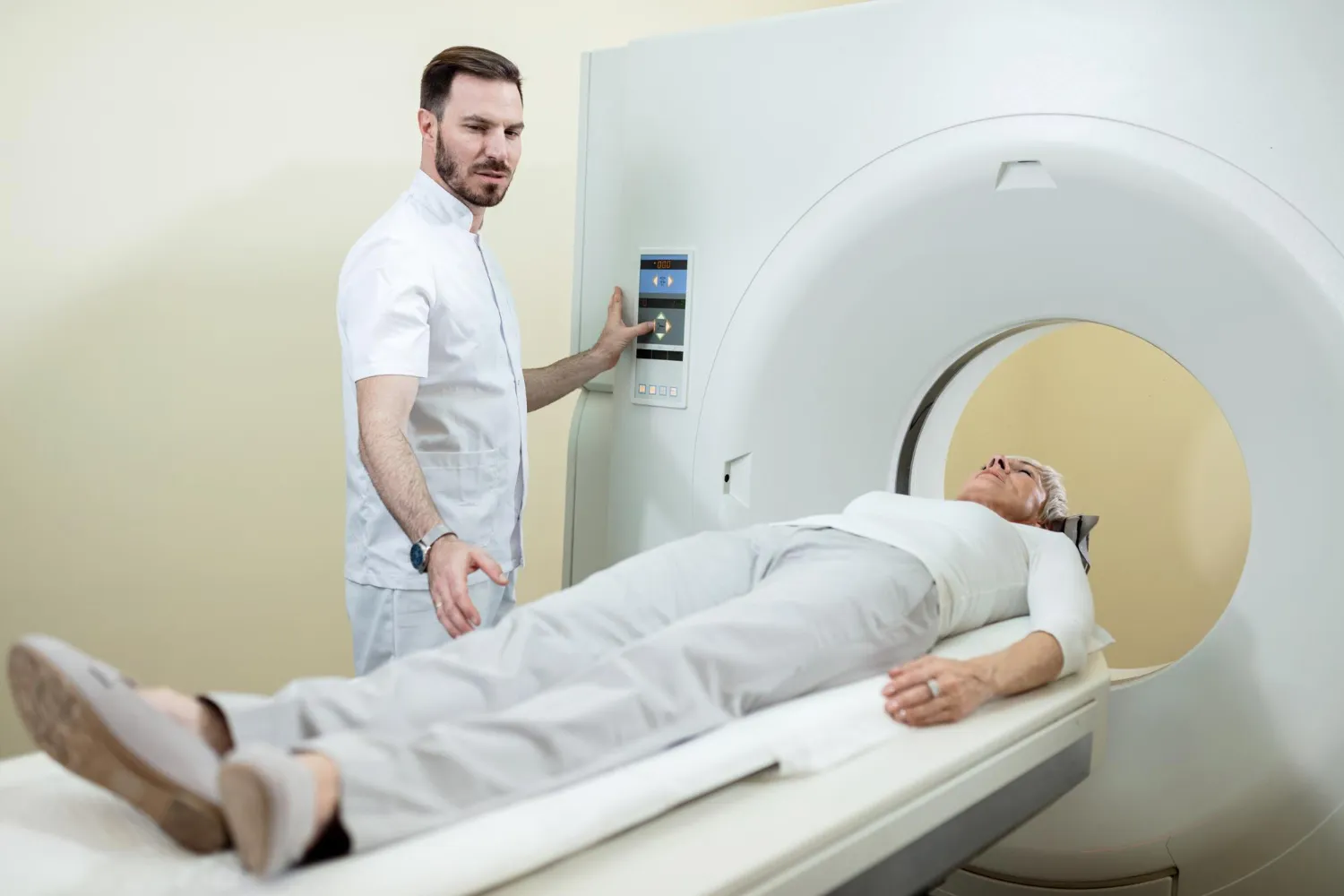
What Happens During a DEXA Scan?
Many patients worry about the procedure, but the test is simple and painless.
Step 1: Registration
Basic medical information is recorded.
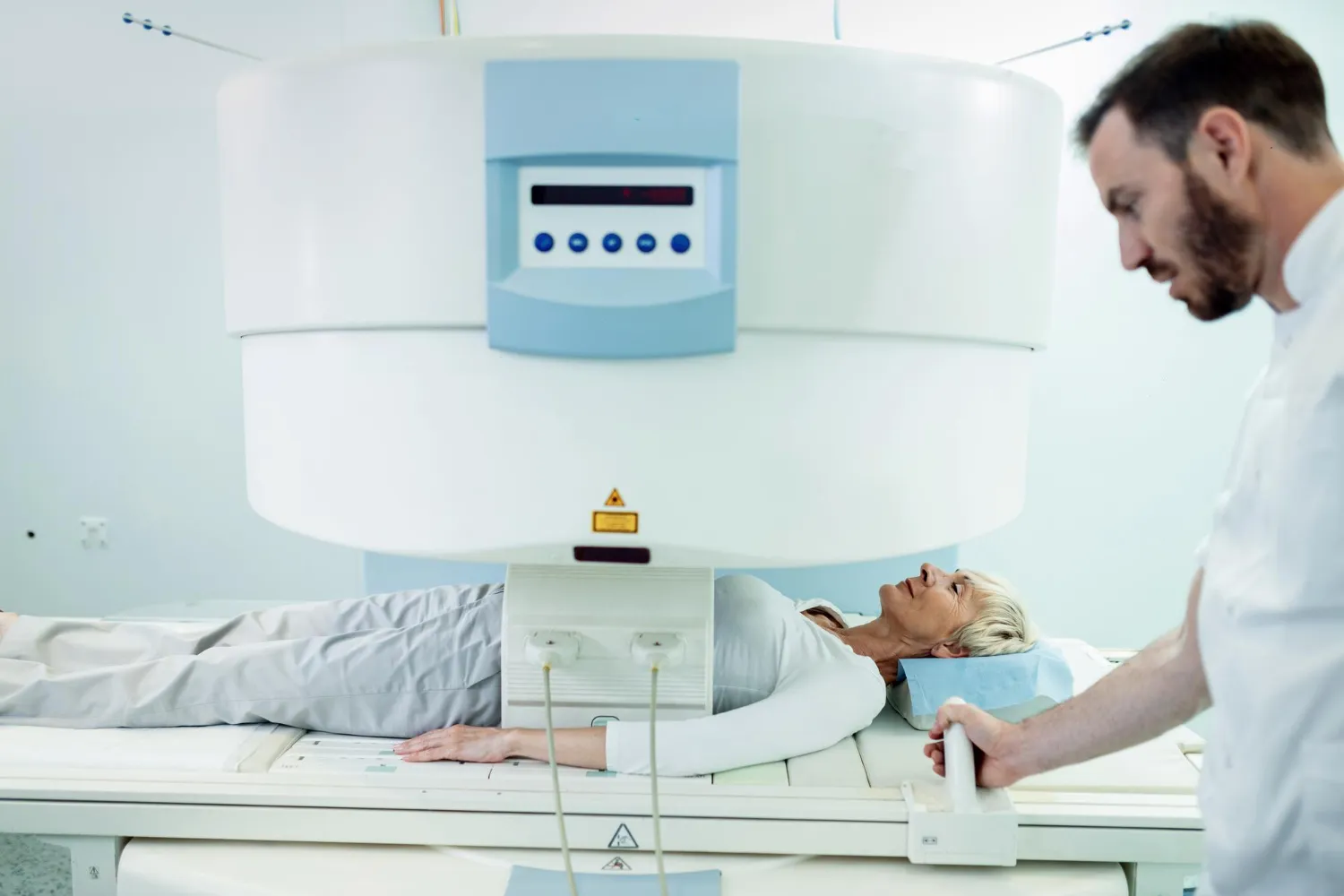
Step 2: Positioning
You lie comfortably on a padded examination table.
Step 3: Scanning
The scanner moves slowly above the body while capturing images.
Step 4: Completion
The procedure usually takes 10 to 20 minutes.
No injections, medications, or anesthesia are required.
How to Prepare for a DEXA Scan
Preparation is minimal.
Wear Comfortable Clothing
Avoid clothing with metal zippers or buttons.
Avoid Calcium Supplements
Do not take calcium supplements for 24 hours before the scan unless instructed otherwise.
Inform Your Doctor
Tell your healthcare provider if:
- You are pregnant
- Recently underwent a contrast imaging study
- Had a nuclear medicine test
Understanding DEXA Scan Results
The scan results are primarily reported using:
T-Score
The T-score compares your bone density with that of a healthy young adult.
Normal Bone Density
T-score: -1.0 or higher
Osteopenia
T-score: Between -1.0 and -2.5
Osteoporosis
T-score: -2.5 or lower
The lower the score, the weaker the bones.
Z-Score
The Z-score compares your bone density with people of your age, gender, and body size.
A significantly low Z-score may indicate:
- Underlying Medical Conditions
- Secondary Causes of Bone Loss
Doctors use Z-scores to investigate additional factors affecting bone health.
What Happens After the Scan?
Your doctor reviews the results and determines whether treatment is necessary.
Recommendations may include:
Lifestyle Changes
- Regular Exercise
- Weight-Bearing Activities
- Strength Training
Dietary Improvements
Increase intake of:
- Calcium
- Vitamin D
- Protein-Rich Foods
Supplements
Your doctor may recommend calcium and vitamin D supplements.
Medications
Patients with osteoporosis may require prescription medications to slow bone loss and strengthen bones.
How Often Should a DEXA Scan Be Repeated?
The frequency depends on individual risk factors.
Normal Bone Density
Every 3 to 5 years.
Osteopenia
Every 2 to 3 years.
Osteoporosis
Every 1 to 2 years to monitor treatment effectiveness.
Your doctor will determine the most appropriate schedule.
Benefits of Early Bone Density Testing
Early screening offers several important advantages.
Prevent Fractures
Identifying bone loss before fractures occur allows timely intervention.
Monitor Bone Health
DEXA scans track changes in bone density over time.
Assess Treatment Response
Doctors can evaluate whether medications and lifestyle changes are improving bone health.
Improve Quality of Life
Maintaining strong bones reduces the risk of disability and mobility limitations.
Common Myths About DEXA Scans
Myth 1: Only Elderly People Need Bone Density Tests
Bone loss can begin much earlier, especially in women after menopause.
Myth 2: Osteoporosis Always Causes Symptoms
Most people have no symptoms until a fracture occurs.
Myth 3: Calcium Alone Prevents Osteoporosis
Bone health requires a combination of:
- Calcium
- Vitamin D
- Exercise
- Medical Monitoring
Myth 4: Men Do Not Get Osteoporosis
Millions of men worldwide develop osteoporosis and related fractures.
Maintaining Healthy Bones
In addition to regular screening, healthy lifestyle habits help preserve bone strength.
Exercise Regularly
Weight-bearing activities include:
- Walking
- Jogging
- Dancing
- Resistance Training
Eat a Balanced Diet
Consume foods rich in:
- Calcium
- Protein
- Vitamin D
Avoid Smoking
Smoking accelerates bone loss.
Limit Alcohol Consumption
Excessive alcohol negatively affects bone health.
Get Adequate Sunlight
Sunlight helps the body produce Vitamin D naturally.
Why DEXA Scans are Essential for Preventive Healthcare
Modern healthcare increasingly focuses on prevention rather than treatment after disease develops.
DEXA scans provide a simple, effective method for identifying bone loss early.
Rather than waiting for fractures or disability, patients can take proactive steps to strengthen bones and maintain independence.
Early screening helps reduce healthcare costs, improve mobility, and support healthy aging.
Conclusion
A DEXA Scan is one of the most valuable tools available for assessing bone health and preventing osteoporosis-related complications.
Since bone loss often develops silently, waiting for symptoms can lead to avoidable fractures and long-term health issues.
By measuring bone mineral density accurately and safely, DEXA scans help doctors identify osteoporosis, osteopenia, and fracture risk before serious damage occurs.
Whether you are a woman over 45, postmenopausal, have a family history of osteoporosis, or possess other risk factors, regular bone density screening can play a crucial role in protecting your long-term health and mobility.
Strong bones support an active, independent, and healthy life—and a DEXA scan is an important first step toward maintaining them.
Book Your DEXA Scan Today
If you are concerned about osteoporosis, bone loss, or fracture risk, consult a qualified healthcare professional about bone density testing.
Early detection can help protect your bone health, improve quality of life, and reduce the risk of future fractures.