
PFT at Home for Asthma Patients: Easy & Accurate Lung Health Monitoring

Why Asthma Patients Should Consider PFT at Home for Better Lung Monitoring
Introduction
Asthma affects millions of people worldwide and continues to be one of the most common chronic respiratory conditions. While many patients manage their symptoms with inhalers and medications, asthma is a condition that requires ongoing monitoring. Even when symptoms seem under control, inflammation and narrowing of the airways can worsen silently over time.
Many asthma patients only seek medical attention when they experience severe symptoms such as wheezing, chest tightness, persistent coughing, or difficulty breathing. Unfortunately, by that point, lung function may already be significantly affected.
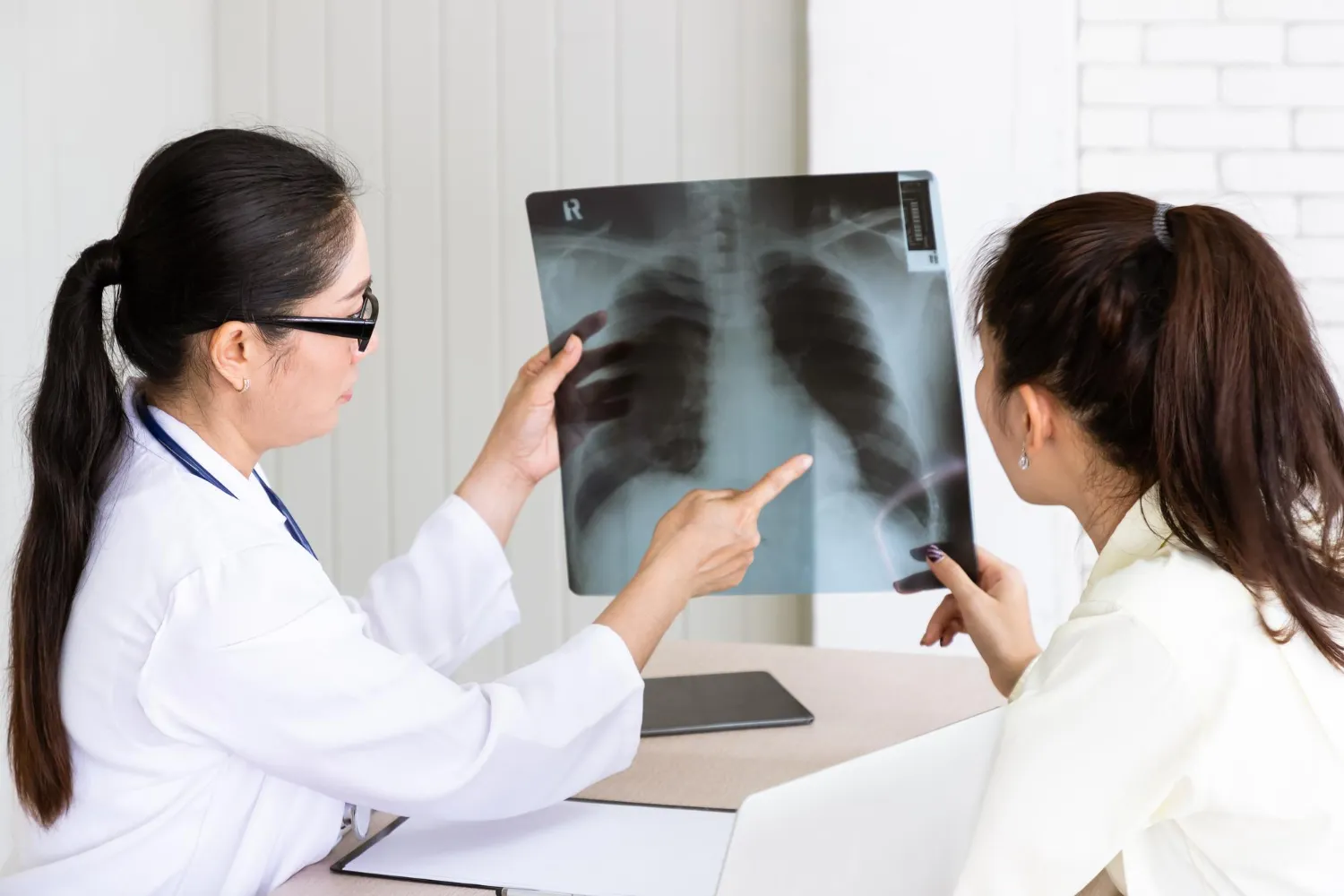
This is why doctors recommend regular Pulmonary Function Testing (PFT) to monitor lung health and ensure asthma treatment plans remain effective.
With advancements in home healthcare services, patients can now undergo PFT at home without the inconvenience of traveling to a hospital or diagnostic center. Home-based lung function testing offers comfort, convenience, and accurate monitoring, helping asthma patients stay ahead of potential complications.
This comprehensive guide explains why Pulmonary Function Tests are important for asthma management, how home testing works, what the results mean, and how regular monitoring can help prevent asthma attacks and hospital admissions.
Understanding Asthma
Asthma is a chronic condition that affects the airways in the lungs.
In people with asthma, the airways become:
- Inflamed
- Swollen
- Narrowed
- Sensitive to triggers
This makes breathing more difficult and can cause symptoms that vary from mild to severe.
Common Symptoms of Asthma
Asthma symptoms can differ from person to person.
Typical symptoms include:
- Wheezing
- Shortness of Breath
- Chest Tightness
- Persistent Coughing
- Difficulty Breathing During Exercise
- Night-Time Coughing
- Fatigue Due to Breathing Difficulties
Some individuals experience symptoms only occasionally, while others may face daily challenges.
Why Asthma Requires Continuous Monitoring
Many patients believe that if they feel well, their asthma is under control.
However, asthma can worsen gradually without obvious warning signs.
Even when symptoms are absent:
- Airway Inflammation May Persist
- Lung Function May Decline
- Medication Effectiveness May Change
- Environmental Triggers May Affect Breathing
Regular monitoring helps detect these changes before they become serious.
What is a Pulmonary Function Test (PFT)?
A Pulmonary Function Test is a group of tests that evaluate how well the lungs are functioning.
The test measures:
- Lung Capacity
- Airflow
- Breathing Efficiency
- Airway Obstruction
- Response to Treatment
PFT is one of the most valuable tools for diagnosing and managing asthma.
How Does a PFT Help Asthma Patients?
A Pulmonary Function Test provides objective measurements of lung performance.
It helps doctors:
- Confirm an Asthma Diagnosis
- Assess Disease Severity
- Monitor Treatment Effectiveness
- Detect Worsening Asthma
- Adjust Medications When Necessary
- Prevent Asthma Attacks
Without regular testing, changes in lung function may go unnoticed.
What is Spirometry?
Spirometry is the most common type of Pulmonary Function Test used for asthma monitoring.
It measures:
- How Much Air You Can Inhale
- How Much Air You Can Exhale
- How Quickly You Can Exhale
The test is performed using a device called a spirometer.
Spirometry provides important information about airway function and lung health.
How PFT at Home Works
Step 1: Appointment Scheduling
A healthcare provider arranges a convenient time for the home visit.
Step 2: Technician Visit
A trained respiratory technician arrives with portable spirometry equipment.
Step 3: Medical Assessment
The technician reviews:
- Medical History
- Asthma Symptoms
- Current Medications
- Recent Asthma Attacks
Step 4: Test Procedure
Patients are asked to:
- Take a Deep Breath
- Place Lips Around the Mouthpiece
- Exhale Forcefully
Several attempts may be performed to ensure accuracy.
Step 5: Analysis and Reporting
Results are reviewed by healthcare professionals and shared with the patient and physician.
Benefits of PFT at Home for Asthma Patients
Home healthcare services provide several advantages for individuals living with asthma.
Comfort of Familiar Surroundings
Patients often feel more relaxed at home than in a clinical setting.
Reduced anxiety can improve test performance and accuracy.
Avoid Travel Stress
Traveling through traffic, pollution, and crowded areas may worsen asthma symptoms.
Home testing eliminates this burden.
Reduced Exposure to Infections
Hospitals and clinics frequently treat patients with contagious illnesses.
Home testing minimizes exposure to:
- Viral Infections
- Respiratory Illnesses
- Seasonal Flu
Better Compliance with Monitoring
Convenient testing encourages patients to undergo regular assessments as recommended by their doctors.
Personalized Care
Technicians can dedicate their full attention to a single patient, ensuring proper test technique.
Key Measurements in a Pulmonary Function Test
Understanding your results helps you actively participate in asthma management.
FEV1 (Forced Expiratory Volume in One Second)
This measures how much air you can forcefully exhale during the first second.
For asthma patients:
- Lower values indicate airway obstruction
- Improvement after treatment suggests a good response
FEV1 is one of the most important indicators of asthma control.
FVC (Forced Vital Capacity)
Measures the total amount of air exhaled after taking a deep breath.
Reduced values may indicate:
- Airway Narrowing
- Lung Restriction
FEV1/FVC Ratio
This ratio helps identify airway obstruction.
A low ratio commonly indicates asthma or other obstructive lung diseases.
Peak Expiratory Flow (PEF)
Measures how quickly air can be expelled from the lungs.
Changes in peak flow may indicate worsening asthma before symptoms appear.
Why Regular Monitoring is Important for Asthma
Asthma control can change over time.
Factors influencing asthma include:
- Seasonal Allergies
- Air Pollution
- Weather Changes
- Respiratory Infections
- Stress
- Exercise
- Medication Adherence
Routine PFT helps identify these changes early.
Detecting Silent Asthma Worsening
One of the biggest challenges in asthma management is that lung function may decline before symptoms become noticeable.
A patient may feel normal while experiencing:
- Reduced Airflow
- Increasing Airway Inflammation
- Gradual Lung Function Loss
Regular testing detects these changes before a severe asthma attack occurs.
Preventing Emergency Situations
Uncontrolled asthma can lead to:
- Emergency Room Visits
- Hospital Admissions
- Severe Asthma Attacks
- Life-Threatening Breathing Difficulties
Routine PFT allows doctors to intervene early and adjust treatment plans before emergencies develop.
Who Should Consider PFT at Home?
Children with Asthma
Home testing can be less stressful for children compared to hospital visits.
Regular monitoring helps parents and doctors manage symptoms effectively.
Adults with Chronic Asthma
Adults living with asthma benefit from ongoing assessment of lung function.
Elderly Patients
Senior citizens may find travel physically demanding.
Home testing offers a convenient alternative.
Patients with Severe Asthma
Individuals with moderate-to-severe asthma often require frequent monitoring.
Home services make this process easier and more accessible.
Asthma Triggers Common in Bangalore
Environmental conditions in Bangalore can contribute to asthma flare-ups.
Common triggers include:
- Vehicle Pollution
- Dust
- Construction Debris
- Pollen
- Mold
- Seasonal Weather Changes
- Respiratory Infections
Regular PFT helps assess the impact of these triggers on lung health.
Preparing for a Home PFT
To obtain accurate results:
Avoid Smoking
Do not smoke before the test.
Wear Comfortable Clothing
Loose clothing allows unrestricted breathing.
Follow Medication Instructions
Your doctor may advise temporary changes to inhaler usage before testing.
Avoid Heavy Meals
Large meals may make deep breathing uncomfortable.
Understanding Asthma Control Through PFT
Doctors use test results to classify asthma control.
Well-Controlled Asthma
- Normal or Near-Normal Lung Function
- Minimal Symptoms
- Rare Rescue Inhaler Use
Partially Controlled Asthma
- Mild Reduction in Lung Function
- Occasional Symptoms
- Increased Inhaler Use
Poorly Controlled Asthma
- Significant Airflow Limitation
- Frequent Symptoms
- Higher Risk of Asthma Attacks
These classifications help guide treatment decisions.
How Often Should Asthma Patients Get a PFT?
Frequency depends on individual circumstances.
Stable Asthma
Every 6 to 12 months.
Newly Diagnosed Asthma
More frequent testing may be required.
Severe Asthma
Regular monitoring may be recommended every few months.
Following Treatment Changes
Doctors often repeat testing after adjusting medications.
Choosing a Reliable Home PFT Service
Qualified Respiratory Technicians
Proper technique is essential for accurate results.
Modern Portable Equipment
Certified spirometry devices provide reliable measurements.
Fast Report Delivery
Timely reporting enables prompt treatment decisions.
Physician Review
Results should be interpreted by experienced healthcare professionals.
The Future of Asthma Management
Home healthcare technology is making asthma monitoring more accessible than ever.
Patients can now:
- Track Lung Health Regularly
- Detect Worsening Symptoms Early
- Avoid Unnecessary Hospital Visits
- Improve Treatment Outcomes
As healthcare continues to evolve, home-based respiratory diagnostics are becoming an essential part of chronic disease management.
Conclusion
Asthma is a lifelong condition that requires more than just symptom management. Regular monitoring of lung function plays a critical role in understanding disease progression, evaluating treatment effectiveness, and preventing serious complications.
Pulmonary Function Testing at Home offers asthma patients a convenient, comfortable, and reliable way to assess their respiratory health without leaving home.
By identifying changes in lung function early, patients and healthcare providers can make informed decisions that reduce the risk of asthma attacks and improve long-term outcomes.
If you or a loved one has asthma, regular PFT monitoring can be one of the most valuable tools for maintaining healthy lungs and living a more active, confident life.
Book a Home PFT Test Today
Early monitoring can help detect changes before symptoms worsen, allowing timely treatment adjustments and better asthma control.
Schedule a professional Pulmonary Function Test at home and take a proactive step toward healthier breathing and improved quality of life.