
Breast Ultrasound vs Mammogram – Which One Should You Get?

When it comes to breast health, choosing the right imaging test can feel confusing. In short: a mammogram (X-ray based) is the standard tool for routine breast cancer screening, while a breast ultrasound (sound-wave based, no radiation) is typically used to evaluate a specific lump, focal pain, or dense breast tissue. Many doctors recommend both together rather than choosing one over the other. This guide breaks down how each works, when your doctor is likely to recommend one, and where to get a breast ultrasound in JP Nagar, Bengaluru.
What Is a Mammogram?
A mammogram is an X-ray examination of breast tissue. The breast is gently compressed between two plates so detailed images can be captured. It is widely used for breast cancer screening because it can catch microcalcifications and other early changes before a lump is even felt. Mammography can also show masses and asymmetries that need further evaluation. The U.S. Preventive Services Task Force currently recommends screening mammography every two years for women aged 40 to 74 at average risk, though guidelines vary by country and individual risk factors, so discuss your own schedule with your doctor.
What Is a Breast Ultrasound?
A breast ultrasound uses high-frequency sound waves, with no ionizing radiation, to create real-time images of breast tissue. It is most often used to investigate a specific area of concern, such as a lump, pain, or an abnormality found on another test. Its biggest strength is distinguishing between a fluid-filled cyst, a solid mass, and normal tissue. It is also useful for evaluating dense breast tissue, where mammograms alone can be harder to interpret.
Key Differences at a Glance
| Factor | Breast Ultrasound | Mammogram |
|---|---|---|
| Technology | Sound waves | X-rays |
| Radiation | None | Low-dose X-rays |
| Typical use | Evaluates a specific lump or symptom | Routine screening and diagnostic evaluation |
| Dense breasts | Can add useful information | Can be harder to read in dense tissue |
| Cysts vs solid masses | Particularly good at telling these apart | May detect but not always characterize them |
| Microcalcifications | Doesn't visualize these well | Detects these well |
| Pregnancy | Often preferred | Requires a doctor's discussion first |
Is Breast Ultrasound Better Than a Mammogram?
Not necessarily. The two answer different diagnostic questions. Ultrasound is excellent for evaluating a specific lump and can add information when tissue is dense, but it should not automatically replace mammography. Mammography remains an important screening tool, and additional ultrasound sometimes helps detect findings not visible on mammography, though it can also lead to more follow-up testing. This is why doctors often recommend both rather than choosing one.
When Is a Breast Ultrasound Recommended?
- You have a new lump or thickened area, and ultrasound helps determine if it's cystic, solid, or something else.
- You have focal, persistent breast pain, especially when localized to one area.
- You have dense breast tissue, where ultrasound can add information mammography alone may miss.
- A mammogram flagged something, and ultrasound is used to take a closer look.
- You are under 30 with a new symptom, where ultrasound is often the first imaging test used, subject to your doctor's advice.
When Is a Mammogram Recommended?
Mammography is central to routine breast cancer screening, particularly from around age 40. Women with a family history of breast cancer, inherited genetic mutations, prior breast cancer, or prior high-risk lesions may need a different, earlier, or more frequent screening plan. This should be discussed with your doctor rather than assumed from age alone.
Can Ultrasound or Mammogram Detect Everything?
No single test catches everything. Ultrasound can identify suspicious findings but cannot confirm whether every finding is cancer, and a normal ultrasound doesn't rule out all breast cancer. Mammography's accuracy can also be affected by breast density. This is why breast imaging should be treated as a risk-based, doctor-guided process rather than a single-test decision.
Breast Ultrasound During Pregnancy and Breastfeeding
Because it doesn't use radiation, ultrasound is often preferred when breast imaging is needed during pregnancy. Breast changes are common while breastfeeding, but a new lump, persistent pain, skin or nipple changes, or unusual discharge should still be reported to your doctor rather than assumed to be routine.
Preparing for a Breast Ultrasound
No special preparation is needed. Wear comfortable, easy-to-remove clothing and avoid lotion, powder, or deodorant near the chest area on the day of your scan, as these can interfere with image quality.
What Happens During the Exam
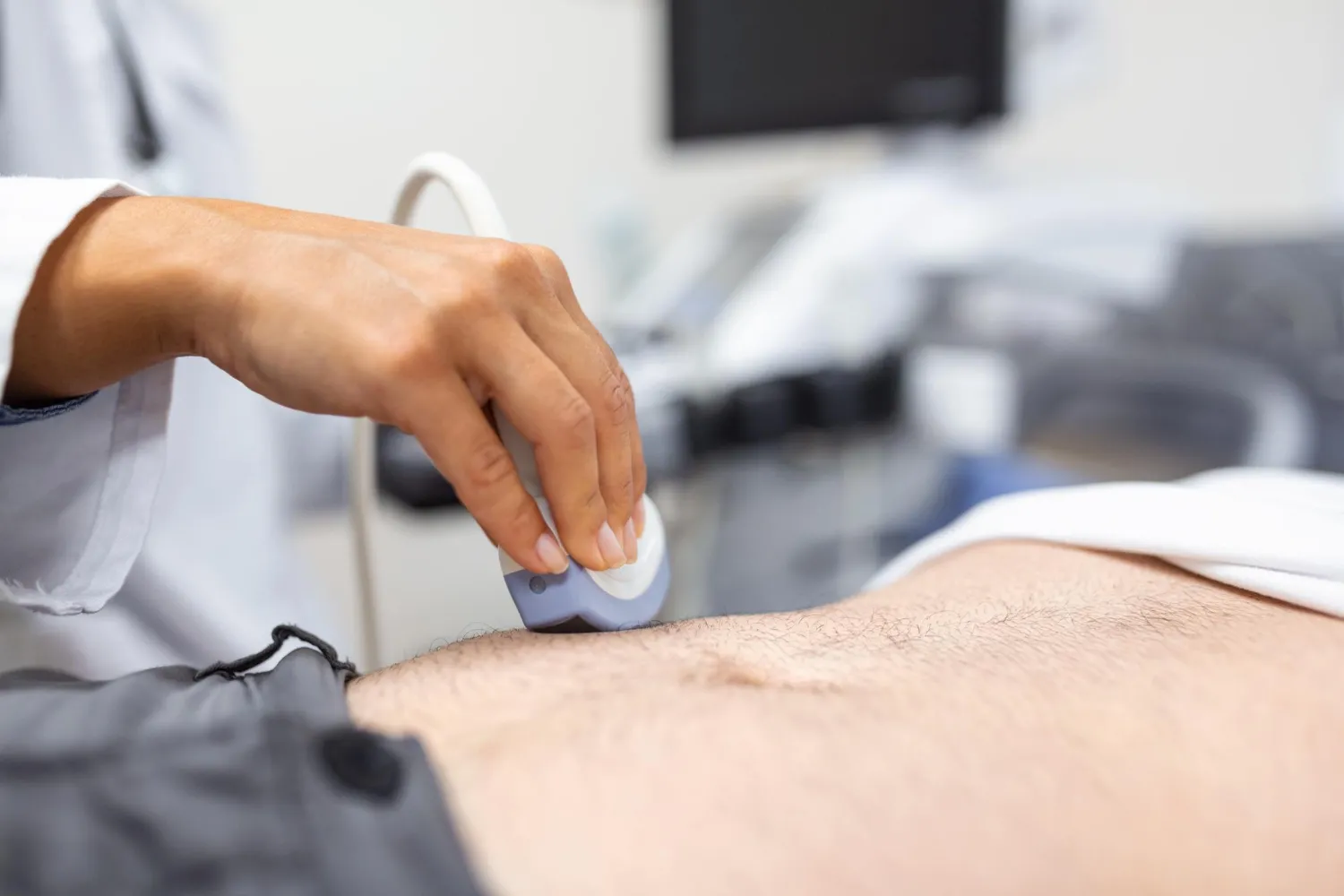
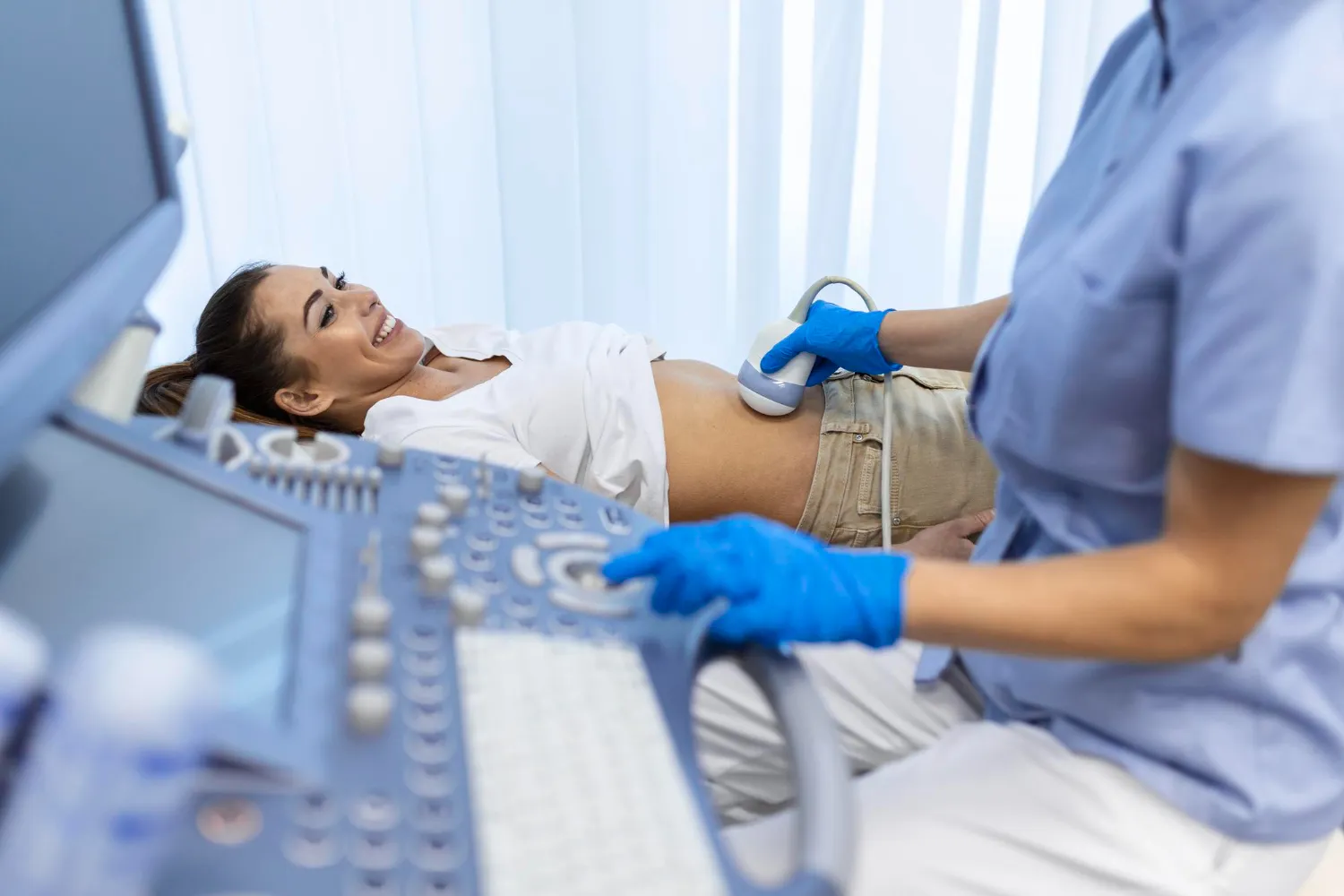
You lie on your back or side on the exam table. A small amount of ultrasound gel is applied to the skin. A handheld transducer is moved gently over the breast to capture real-time images, with no compression involved, and the exam is generally painless. You can resume normal activity immediately afterward.
Understanding Your Results
An ultrasound can show whether a finding is a fluid-filled cyst (usually benign), a solid mass (which may need further evaluation), or normal tissue. Not every abnormal-looking finding is cancer; many are benign and simply need follow-up imaging. Always review your report with your doctor rather than interpreting it alone.
Breast Ultrasound in JP Nagar, Bengaluru
TruScan Diagnostics offers breast ultrasound imaging at its JP Nagar 7th Phase and JP Nagar 2nd Phase centres, open 24 hours. For current pricing or to book an appointment, call +91 8956 600 600. Your doctor’s advice should guide which test you need; we are here to provide clear imaging and timely reports.
Frequently Asked Questions
Everything you need to know about our service
What is the difference between a breast ultrasound and a mammogram?
A mammogram uses low-dose X-rays and is the standard test for routine breast cancer screening. A breast ultrasound uses sound waves, has no radiation, and is mainly used to evaluate a specific lump, pain, or dense breast tissue.
Which is more accurate, breast ultrasound or mammogram?
Neither is universally more accurate — they detect different things. Mammograms are better at picking up microcalcifications and are the standard for screening, while ultrasound is more accurate at telling apart cysts from solid masses, especially in dense breast tissue.
Can a breast ultrasound detect cancer that a mammogram missed?
Yes, in some cases. Dense breast tissue can hide abnormalities on a mammogram, and ultrasound can sometimes pick up findings that mammography misses. This is why doctors often use both together rather than relying on one alone.
At what age should I start getting a mammogram instead of an ultrasound?
Routine mammogram screening is generally recommended from around age 40 for average-risk women, though guidelines vary. Below that age, or for a specific new symptom, doctors often start with an ultrasound.
Is a breast ultrasound as good as a mammogram for screening?
No. Ultrasound is not typically used as a stand-alone routine screening test — it is used to investigate a specific concern or add information alongside a mammogram, not replace it.
How much does a breast ultrasound cost in Bangalore?
Pricing varies by centre and is best confirmed directly. Contact TruScan Diagnostics at +91 8956 600 600 for current breast ultrasound pricing at the JP Nagar centres.
Does a breast ultrasound hurt?
No. It is a painless, radiation-free exam with no compression involved, unlike a mammogram.
Is breast ultrasound safe during pregnancy or breastfeeding?
Yes. Since it doesn't use radiation, ultrasound is often the preferred imaging option for breast concerns during pregnancy or while breastfeeding.
Can I request a breast ultrasound instead of a mammogram?
You can discuss this with your doctor, but the right test depends on your age, symptoms, and risk factors, not personal preference alone.
Where can I get a breast ultrasound in JP Nagar?
TruScan Diagnostics offers breast ultrasound imaging at its JP Nagar 7th Phase and JP Nagar 2nd Phase centres, open 24 hours. You can also learn more about our ultrasound services.