
Prostate Health After 40: Why Men Get a Pelvic Ultrasound
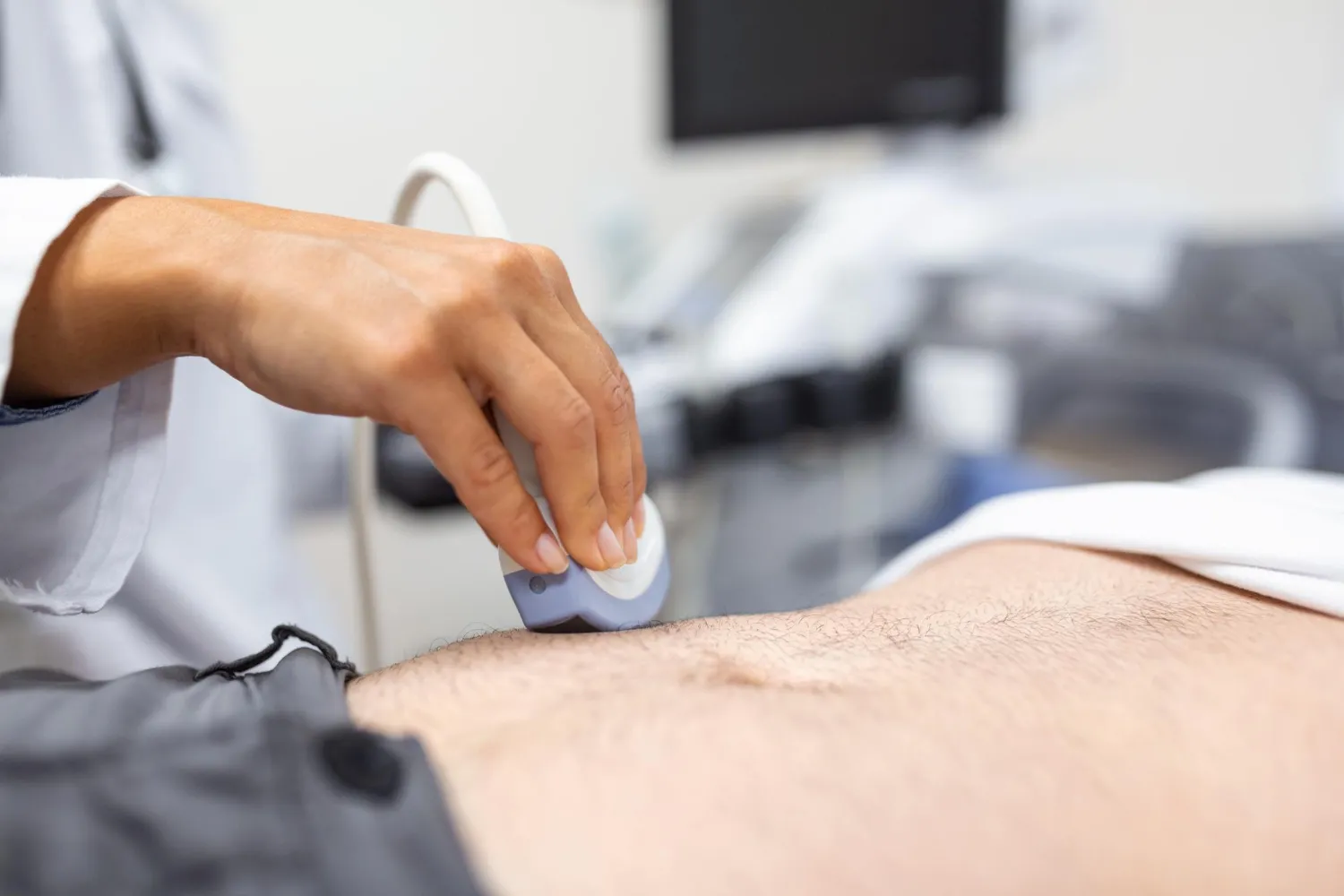
After age 40, the prostate gland naturally becomes more prone to enlargement and other changes, which is why doctors often recommend a pelvic ultrasound as part of routine evaluation. It's a quick, non-invasive way to check the prostate's size, structure, and any abnormalities that might explain urinary symptoms, without needing an invasive procedure first.
Why Does Prostate Health Change After 40?
The prostate, a small gland below the bladder, tends to enlarge gradually with age due to hormonal changes — a condition called Benign Prostatic Hyperplasia (BPH). It's extremely common and not cancerous, but it can press on the urethra and cause urinary symptoms. Age is also the single biggest risk factor for prostate cancer, which is why routine evaluation becomes more relevant from 40 onward, especially for men with a family history.
Common Symptoms That Prompt a Prostate Evaluation
Frequent urination, especially at night, a weak or interrupted urine stream, difficulty starting or stopping urination, a feeling of incomplete bladder emptying, or blood in the urine are the most common reasons doctors investigate the prostate. A weak stream can also be measured with uroflowmetry. Many men dismiss these as a normal part of aging, but they're worth evaluating rather than ignoring.
What Is a Pelvic Ultrasound for the Prostate?
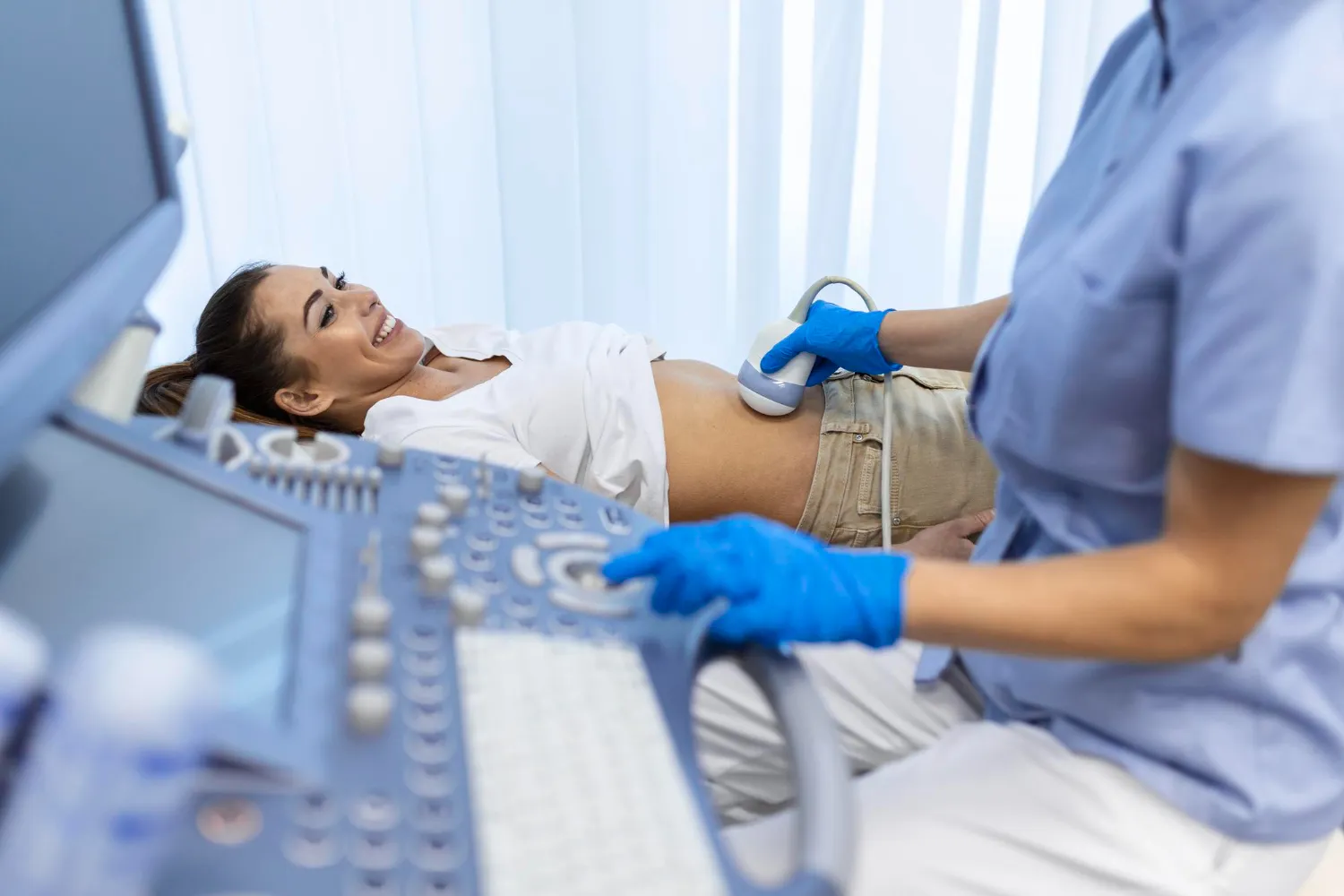
A pelvic ultrasound uses sound waves to create real-time images of the prostate and surrounding structures. It can be performed as a transabdominal scan (over the lower abdomen) or a Transrectal Ultrasound (TRUS), which gives a much closer, more detailed view of the gland. Neither method uses radiation, and both are safe, quick procedures.
What Can a Prostate Ultrasound Show?
An ultrasound can measure the size of the prostate to check for enlargement, assess how well the bladder is emptying, identify any irregular areas within the gland that may need further evaluation, and check for other pelvic causes of urinary symptoms, such as bladder stones. It's often the first imaging step before deciding whether further testing, like a PSA blood test or biopsy, is needed.
When Should You Get a Prostate Ultrasound?
- You're experiencing urinary symptoms such as frequent urination or a weak stream
- A routine physical exam finds the prostate feels enlarged or irregular
- PSA blood test levels are elevated
- You have a family history of prostate cancer and are being screened proactively
Men over 40, particularly those with any of these symptoms, should discuss this with their doctor rather than waiting for symptoms to worsen.
Who Should Consider This Test?
Men over 40 with new urinary symptoms, those with a family history of prostate cancer or BPH, and men whose routine checkup or PSA results suggest further evaluation is needed are the most common candidates. Your doctor will determine whether it's the appropriate next step for you.
How to Prepare for a Prostate Ultrasound
For a transabdominal scan, you'll usually be asked to arrive with a full bladder, since this helps produce a clearer image. For a Transrectal Ultrasound (TRUS), your doctor may give you specific instructions beforehand, which can include a light enema. The diagnostic centre will confirm exact preparation when you book.
What Happens During the Procedure
For a transabdominal scan, gel is applied to the lower abdomen and a probe is moved across the area to capture images. For a TRUS, a small, covered probe is gently inserted to get a more detailed view of the gland. Both are quick procedures, generally well-tolerated, and you can resume normal activity right after.
Understanding Your Results
Your report will typically note the size of the prostate and whether any irregular areas were seen. An enlarged prostate on its own is very common with age and doesn't necessarily mean cancer — BPH is the most frequent cause. If anything unusual is noted, your doctor may recommend a PSA test, further imaging, or a biopsy to get a clearer picture. Always discuss the report with your doctor rather than interpreting the terminology on your own.
Prostate changes after 40 are common, but urinary symptoms shouldn't be brushed off as just aging. A pelvic ultrasound is a quick, non-invasive way to check the prostate's size and structure and guide whether further testing is needed. If you're noticing changes in your urinary habits, get it evaluated rather than waiting it out.
Related Reading: How to Choose the Best Ultrasound Service in Your Area
Book Your Prostate Ultrasound
TruScan Diagnostics offers pelvic ultrasound and uroflowmetry at our JP Nagar centres, open 24 hours. Call +91 8956 600 600 to book.
Medical Disclaimer: This article is intended for educational purposes only and should not replace professional medical advice, diagnosis, or treatment. Always consult your treating physician regarding your symptoms, imaging results, or healthcare decisions.
TruScan Diagnostics, JP Nagar, Bengaluru
- JP Nagar 7th Phase: Manvi Arcade, WGHCS Layout, behind Ever Fine Supermarket, JP Nagar 7th Phase, Bengaluru 560078
- JP Nagar 2nd Phase: 213, 9th Cross Rd, KSRTC Layout, JP Nagar 2nd Phase, Bengaluru 560078
- Phone: +91 8956 600 600 (WhatsApp available)
- Website: truscan.in
- Instagram: @truscandiagnosticsofficial
- Facebook: facebook.com/truscandiagno
- Open 24 Hours
Frequently Asked Questions
Everything you need to know about our service
At what age should men start getting prostate checks?
Most guidelines suggest starting conversations about prostate screening around age 40 to 50, or earlier with a family history of prostate cancer. Your doctor can advise on timing based on your risk factors.
Is a prostate ultrasound painful?
A transabdominal scan is completely painless. A Transrectal Ultrasound may feel slightly uncomfortable but is brief and generally well-tolerated.
Does an enlarged prostate mean cancer?
No. An enlarged prostate is most commonly due to Benign Prostatic Hyperplasia, a non-cancerous condition. Further testing is used to rule out other causes if needed.
What's the difference between a prostate ultrasound and a PSA test?
A PSA test is a blood test measuring a protein linked to prostate activity. An ultrasound is an imaging test that directly visualizes the gland. Doctors often use both together for a fuller picture.
Do I need a full bladder for a prostate ultrasound?
Only for a transabdominal scan. A Transrectal Ultrasound doesn't require this.
Is a Transrectal Ultrasound necessary for everyone?
No. Many cases can be evaluated with a transabdominal scan first. TRUS is used when a more detailed view of the gland is needed.
Where can I get a prostate ultrasound in JP Nagar?
TruScan Diagnostics offers pelvic ultrasound imaging for prostate evaluation at both its JP Nagar centres, open 24 hours. Learn more on our Ultrasound page.