
Is It Normal Ageing or Dementia? Tests That Help Evaluate Memory Changes

Forgetting a name, misplacing keys or occasionally struggling to remember a word can happen as people get older. However, persistent memory problems that interfere with everyday activities may need medical evaluation.
Normal age-related changes in memory are not the same as dementia. Some people may also experience mild cognitive impairment (MCI), where memory or thinking problems are greater than expected for their age but do not significantly interfere with everyday activities. MCI does not always progress to dementia.
So, how can you tell the difference? A healthcare professional may use a combination of medical history, cognitive assessments, physical and neurological examinations, laboratory tests and, when appropriate, brain imaging or other diagnostic tests.
What Is Normal Age-Related Memory Loss?
Some changes in memory and thinking can occur as part of normal ageing.
For example, an older adult may occasionally:
- Forget a name but remember it later
- Misplace an item from time to time
- Need more time to learn something new
- Occasionally forget a word
- Forget an appointment but remember it later with a reminder
- Make an occasional poor decision
These occasional lapses do not necessarily mean that a person has dementia.
The National Institute on Aging notes that some changes in memory, learning and attention can occur with healthy ageing, while older adults can still learn new skills and form new memories.
The important factor is whether memory or thinking problems are becoming persistent, worsening over time or interfering with everyday life.
What Is Dementia?
Dementia is not a normal part of ageing.
It refers to a group of conditions that cause problems with memory, thinking, reasoning, communication or other cognitive abilities that interfere with daily life.
Alzheimer's disease is one cause of dementia, but there are other forms and causes of cognitive impairment.
Symptoms can vary from person to person. In addition to memory problems, some people may experience difficulties with:
- Planning and problem-solving
- Finding words or communicating
- Managing finances
- Judgement
- Orientation to time or place
- Completing familiar tasks
- Recognising familiar people or places
- Changes in behaviour or personality
The presence of one occasional symptom does not automatically mean dementia. A healthcare professional needs to assess the pattern, severity and impact of the changes.
Normal Ageing vs Dementia: What Is the Difference?
The difference is often related to frequency, progression and impact on daily activities.
| Normal Ageing | Possible Cognitive Impairment or Dementia |
|---|---|
| Occasionally forgetting a name | Frequently forgetting important information |
| Misplacing something occasionally | Frequently losing things and being unable to retrace steps |
| Forgetting a date but remembering later | Losing track of dates or time repeatedly |
| Sometimes searching for a word | Increasing difficulty following or participating in conversations |
| Making an occasional poor decision | Repeatedly making poor judgements |
| Using reminders to stay organised | Difficulty managing familiar daily tasks |
| Learning may take more time | Increasing difficulty learning or using familiar information |
The National Institute on Aging provides similar examples and recommends speaking with a doctor when changes in memory or thinking are concerning.
These examples are not a diagnostic checklist. A proper evaluation is needed to understand the cause of cognitive changes.
What Is Mild Cognitive Impairment (MCI)?
Mild cognitive impairment, or MCI, describes a level of cognitive difficulty that is greater than expected for a person's age but does not necessarily interfere substantially with everyday independence.
A person with MCI may notice problems with memory, attention, language or other thinking abilities while still being able to perform most everyday activities.
MCI is not the same as dementia. Some people with MCI may later develop dementia, while others may remain stable or even return to normal cognitive functioning depending on the underlying cause.
Because there can be different causes of cognitive changes, medical evaluation is important.
When Should Memory Changes Be Evaluated?
Consider speaking with a healthcare professional when memory or thinking changes:
- Are becoming more frequent
- Are getting worse over time
- Interfere with work or daily activities
- Affect medication management
- Affect financial management
- Make familiar tasks difficult
- Cause repeated confusion about time or place
- Affect communication
- Are noticed by family members or close friends
Family members may sometimes notice changes before the person experiencing them recognises them.
Early evaluation does not necessarily mean that dementia will be diagnosed. It can help identify whether the changes are related to normal ageing, MCI, dementia or another potentially treatable condition.
What Tests Are Used to Evaluate Memory Problems?
There is no single test that can determine whether someone has dementia.
Healthcare professionals usually use several sources of information to understand the person's cognitive health.
1. Medical and Family History
The evaluation may begin with questions about:
- When the memory problems started
- How frequently they occur
- Whether they are getting worse
- Other symptoms
- Existing medical conditions
- Previous neurological problems
- Medications and supplements
- Family history
- Changes in daily activities
- Changes in mood or behaviour
A family member or close friend may also provide useful information about changes that the individual may not have noticed.
2. Cognitive Assessment Tests
Cognitive assessments evaluate areas such as:
- Memory
- Attention
- Language
- Orientation
- Problem-solving
- Thinking and reasoning
Several brief cognitive assessment tools are used in clinical settings. Examples include the Mini-Cog, General Practitioner Assessment of Cognition (GPCOG) and other validated instruments. The Alzheimer's Association notes that no single brief tool is considered the universally best assessment for determining whether someone needs a full dementia evaluation.
These tests are screening or assessment tools rather than standalone diagnoses.
The results need to be interpreted alongside the person's education, language, background, medical history and overall clinical situation.
3. Neurological and Physical Examination
A healthcare professional may perform physical and neurological examinations to look for signs that could help explain changes in memory or thinking.
This may include assessing movement, coordination, reflexes and other neurological functions where appropriate.
The purpose is not simply to determine whether dementia is present but also to consider other possible explanations for the symptoms.
4. Blood and Other Laboratory Tests
Blood or other laboratory tests may be used to look for medical conditions that could contribute to memory or cognitive problems.
Depending on the person's symptoms and medical history, a healthcare professional may consider tests for potentially reversible or treatable causes.
The exact tests required vary from person to person.
More recently, certain blood-based biomarkers related to Alzheimer's disease have entered clinical use in some settings. However, these tests are not general screening tests for people without symptoms and should be used in an appropriate clinical context.
5. MRI or CT Brain Scan
Brain imaging may be recommended when a healthcare professional needs additional information about possible causes of cognitive symptoms.
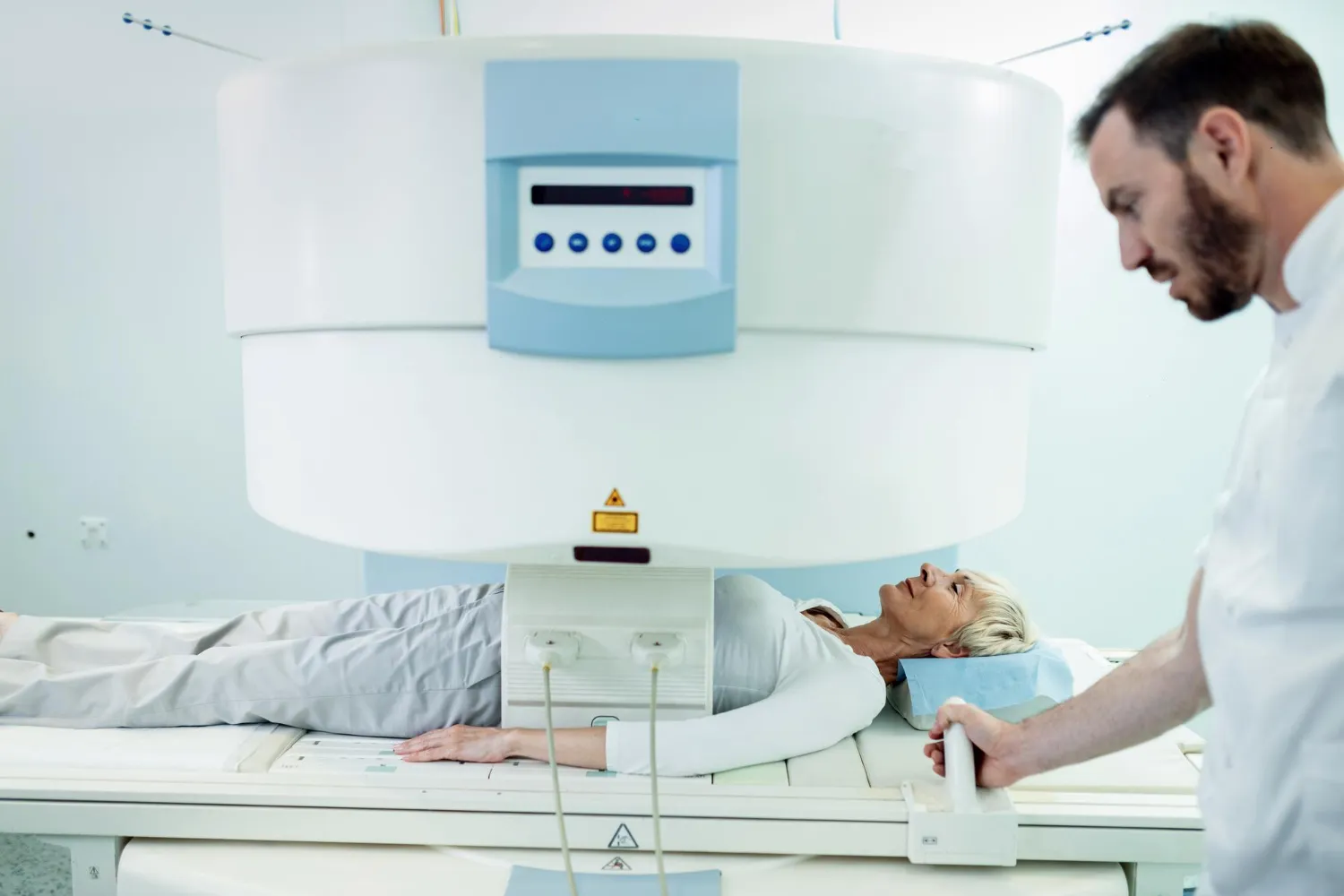
MRI Scan
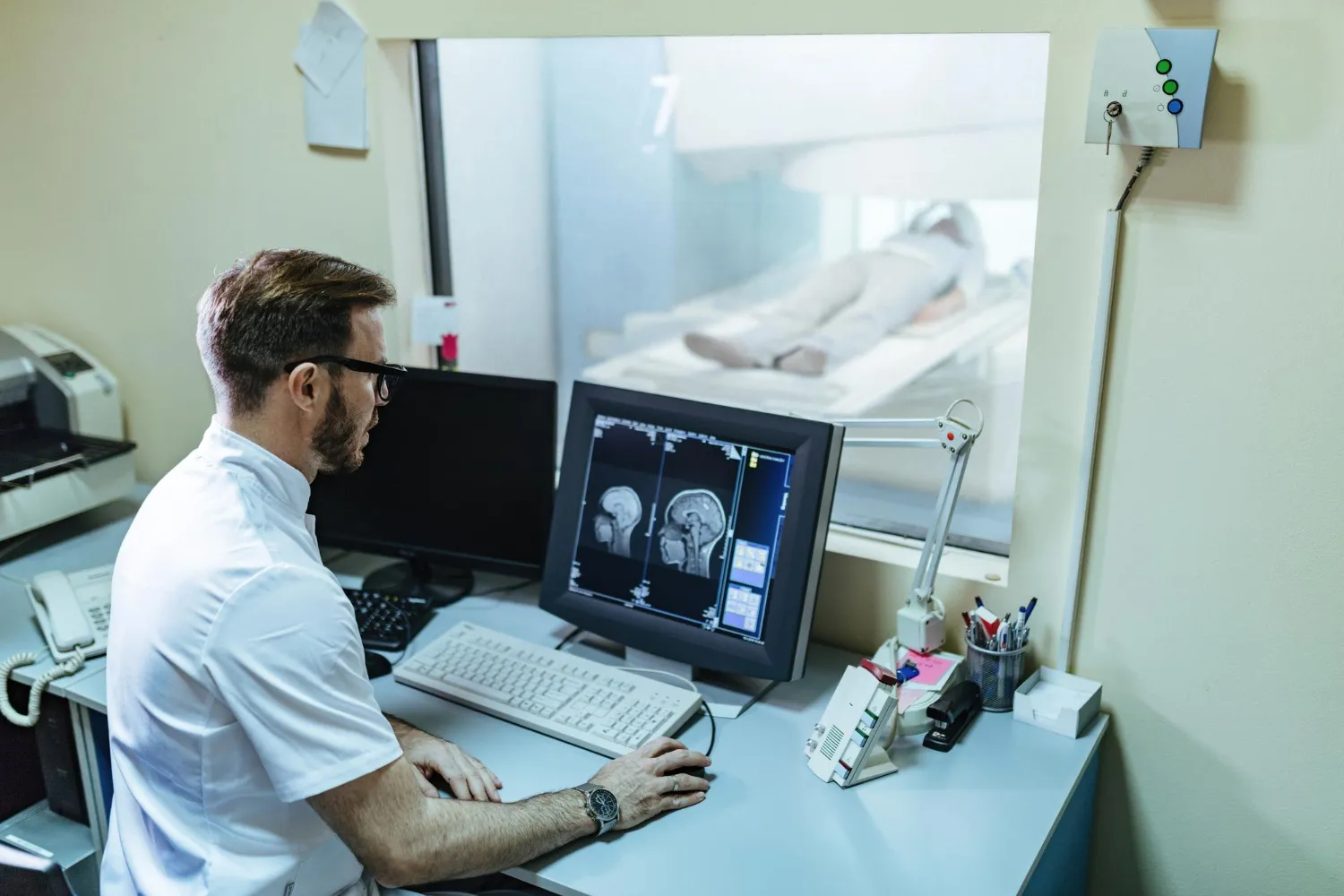
An MRI of the brain uses magnetic fields and radio waves to produce detailed images of brain structures.
MRI may help doctors look for changes such as brain atrophy or other conditions that could contribute to memory problems.
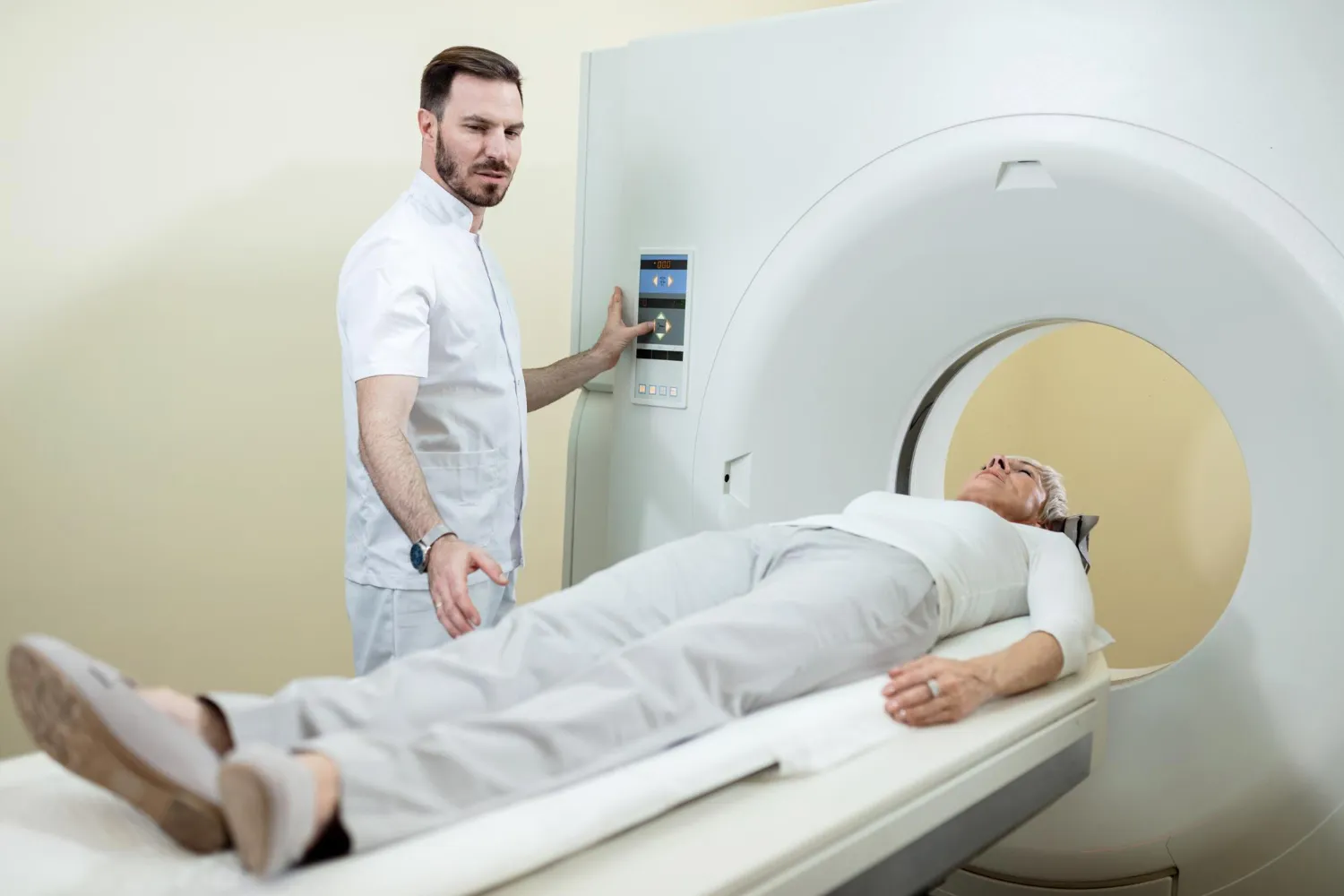
CT Scan
A CT scan uses X-rays to produce images of the brain.
A CT may help identify conditions such as bleeding, stroke-related changes or other structural abnormalities.
MRI and CT do not by themselves establish a diagnosis of Alzheimer's disease or another dementia. They can provide useful information and help doctors investigate or rule out other possible causes.
6. PET Brain Imaging
In selected situations, healthcare professionals may consider PET imaging.
Certain PET scans can provide information about brain metabolism or specific biological changes associated with conditions such as Alzheimer's disease.
PET is not routinely required for every person experiencing memory loss. Its use depends on the clinical situation and the questions that need to be answered.
7. Biomarker Tests
Advances in dementia research have led to tests that can detect biological markers associated with Alzheimer's disease.
These may include biomarkers measured through:
- Blood
- Cerebrospinal fluid (CSF)
- PET imaging
Biomarker tests can provide additional information, but they are only one part of a complete clinical evaluation. The National Institute on Aging emphasizes that no single biomarker test can independently diagnose Alzheimer's disease or another dementia.
Can Memory Loss Have Other Causes?
Yes.
Memory and thinking problems can have several possible causes, and not all of them are dementia.
Depending on the individual, cognitive symptoms may be associated with factors such as:
- Medication side effects
- Depression
- Sleep problems
- Metabolic or endocrine conditions
- Certain neurological conditions
- Other medical problems
Some causes may be treatable or reversible. This is one reason a proper medical assessment is important rather than assuming that memory loss automatically means dementia.
What Happens During a Dementia Evaluation?
A typical evaluation may involve several steps:
- Medical history
- Cognitive assessment
- Physical and neurological examination
- Laboratory tests
- Imaging or biomarker testing when appropriate
- Clinical interpretation
Not everyone needs every test.
The healthcare professional decides which investigations are appropriate based on the person's symptoms, medical history and initial assessment.
The purpose is to determine what may be causing the cognitive changes and whether further evaluation or specialist referral is needed.
Why Is Early Evaluation Important?
Early evaluation can provide useful information even when the final diagnosis is not dementia.
Identifying the cause of memory problems may help healthcare professionals address potentially treatable conditions. When dementia or MCI is diagnosed, early evaluation can also help individuals and families understand the condition, plan for the future and explore appropriate support and treatment options.
Early evaluation does not mean that every memory concern will result in a dementia diagnosis.
Conclusion
Occasional forgetfulness can be a normal part of ageing, but persistent or progressive changes in memory and thinking should not automatically be dismissed as normal ageing.
Dementia is not a normal part of ageing, and there are several ways healthcare professionals can evaluate concerning cognitive changes. These may include medical history, cognitive assessment, physical and neurological examination, laboratory tests and, when appropriate, MRI, CT, PET or biomarker testing.
No single test can diagnose dementia on its own. A complete evaluation considers the person's symptoms, medical history, cognitive abilities and overall health.
If you or a family member is experiencing persistent memory changes, speak with a qualified healthcare professional for an appropriate evaluation rather than relying on online memory tests or self-diagnosis.
TruScan Diagnostics can support appropriate diagnostic evaluation through relevant imaging and laboratory services when recommended by a healthcare professional. The right investigation should always be selected according to the individual's symptoms and clinical needs.
Related Reading: Is Your Brain Aging Faster Than You? | MRI vs CT Scan | After a PET Scan: Important Precautions
Book a Memory Evaluation Test
TruScan Diagnostics offers MRI, CT and laboratory testing at our JP Nagar centres, open 24 hours. Call +91 8956 600 600 to book.
Medical Disclaimer: This article is intended for educational purposes only and should not replace professional medical advice, diagnosis, or treatment. Always consult your treating physician regarding your symptoms, test results, or healthcare decisions.
TruScan Diagnostics, JP Nagar, Bengaluru
- JP Nagar 7th Phase: Manvi Arcade, WGHCS Layout, behind Ever Fine Supermarket, JP Nagar 7th Phase, Bengaluru 560078
- JP Nagar 2nd Phase: 213, 9th Cross Rd, KSRTC Layout, JP Nagar 2nd Phase, Bengaluru 560078
- Phone: +91 8956 600 600 (WhatsApp available)
- Website: truscan.in
- Instagram: @truscandiagnosticsofficial
- Facebook: facebook.com/truscandiagno
- Open 24 Hours
Frequently Asked Questions About Memory Loss and Dementia
1. Is forgetting things a normal part of ageing?
Occasional forgetfulness can occur with normal ageing. However, frequent or worsening memory problems that interfere with everyday activities should be evaluated by a healthcare professional.
2. What is the difference between MCI and dementia?
MCI involves cognitive changes that are greater than expected for a person's age but do not necessarily significantly interfere with everyday independence. Dementia involves cognitive impairment that interferes with daily life.
3. What is the best test for dementia?
There is no single test that is best for everyone. Evaluation generally combines medical history, cognitive assessment and clinical examination, with laboratory tests, imaging or biomarkers used when appropriate.
4. Can an MRI detect dementia?
An MRI can provide information about brain structure and help identify changes or other conditions that may contribute to cognitive symptoms. It cannot independently diagnose dementia.
5. Can a CT scan detect memory problems?
A CT scan can help identify certain structural abnormalities or other possible causes of cognitive symptoms. The scan needs to be interpreted together with clinical information.
6. Can a blood test diagnose Alzheimer's disease?
Certain blood-based biomarker tests are now available for specific clinical uses, but they are not general screening tests for people without symptoms. They should be used by healthcare professionals as part of an appropriate diagnostic evaluation.
7. When should someone see a doctor about memory loss?
Speak with a healthcare professional if memory or thinking problems are persistent, worsening or interfering with everyday activities.
8. Does memory loss always mean dementia?
No. Memory problems can have many possible causes, including normal ageing, MCI and potentially treatable medical or psychological conditions. A proper evaluation is needed to determine the cause.