
Home Blood Sample Collection: How It Works and What Tests Can Be Done
Getting a blood test no longer necessarily means spending time travelling to a diagnostic centre, waiting for your turn and rearranging your entire day. Home blood sample collection has become an increasingly useful option for people who want diagnostic testing to fit more conveniently into their routine.
For working professionals, older adults, parents, people with mobility challenges and individuals managing regular health monitoring, home sample collection can make the testing process more convenient.
But how does blood sample collection at home actually work? What tests can be collected? Do you need to fast? How should you prepare? And how is the sample transported to a laboratory?
This guide explains the process and highlights how TruScan Diagnostics can fit into a convenient diagnostic testing journey in Bengaluru.
What Is Home Blood Sample Collection?
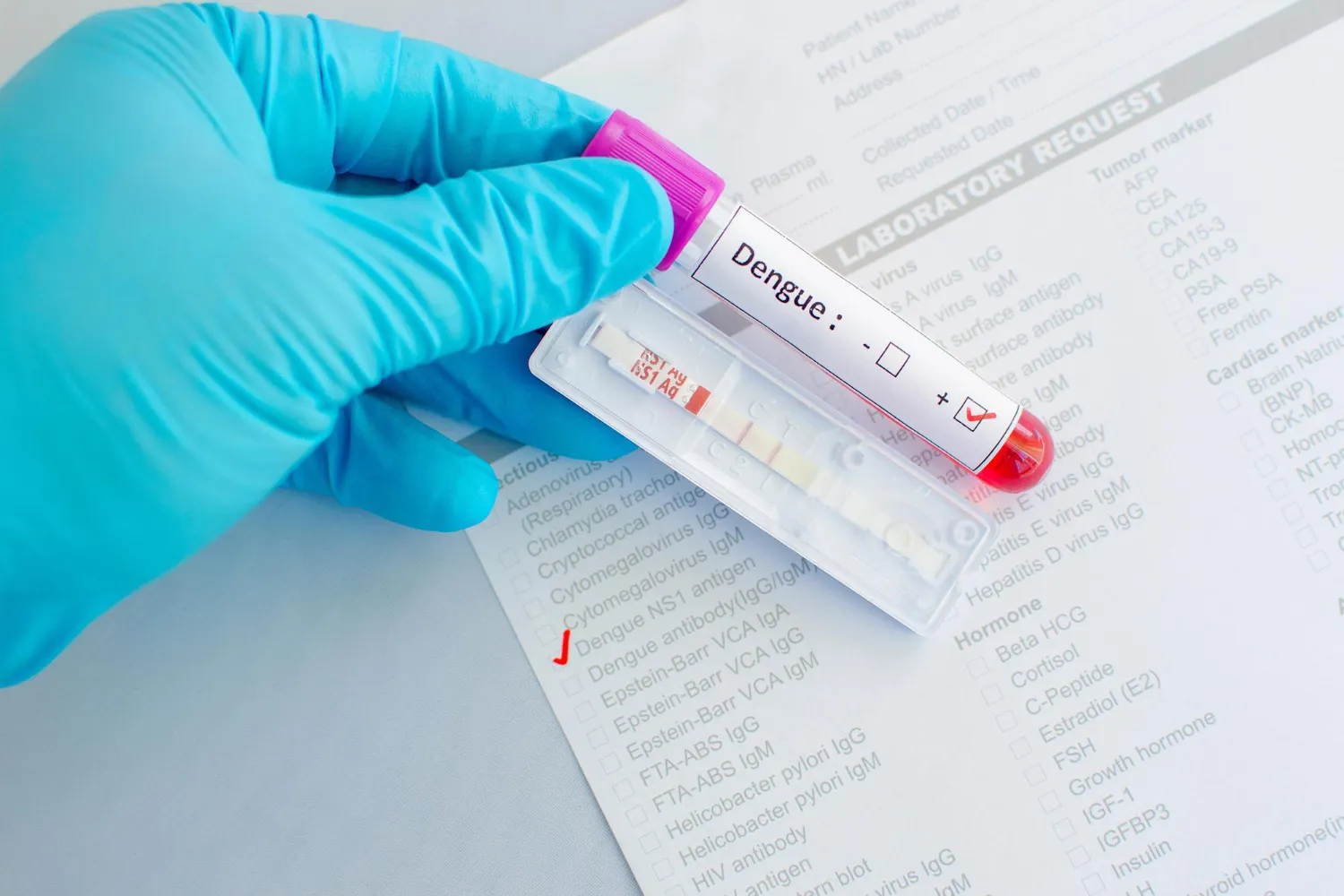
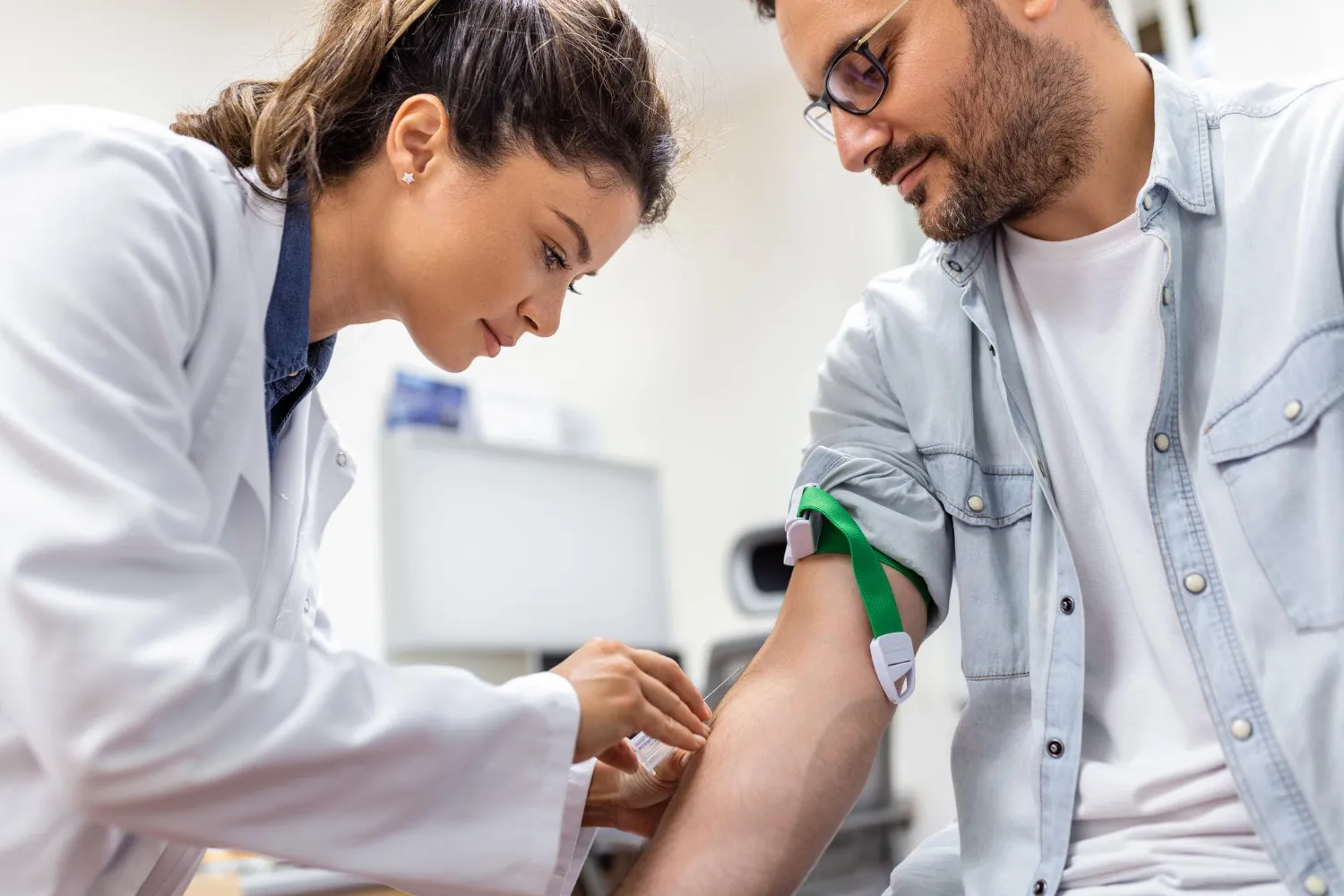
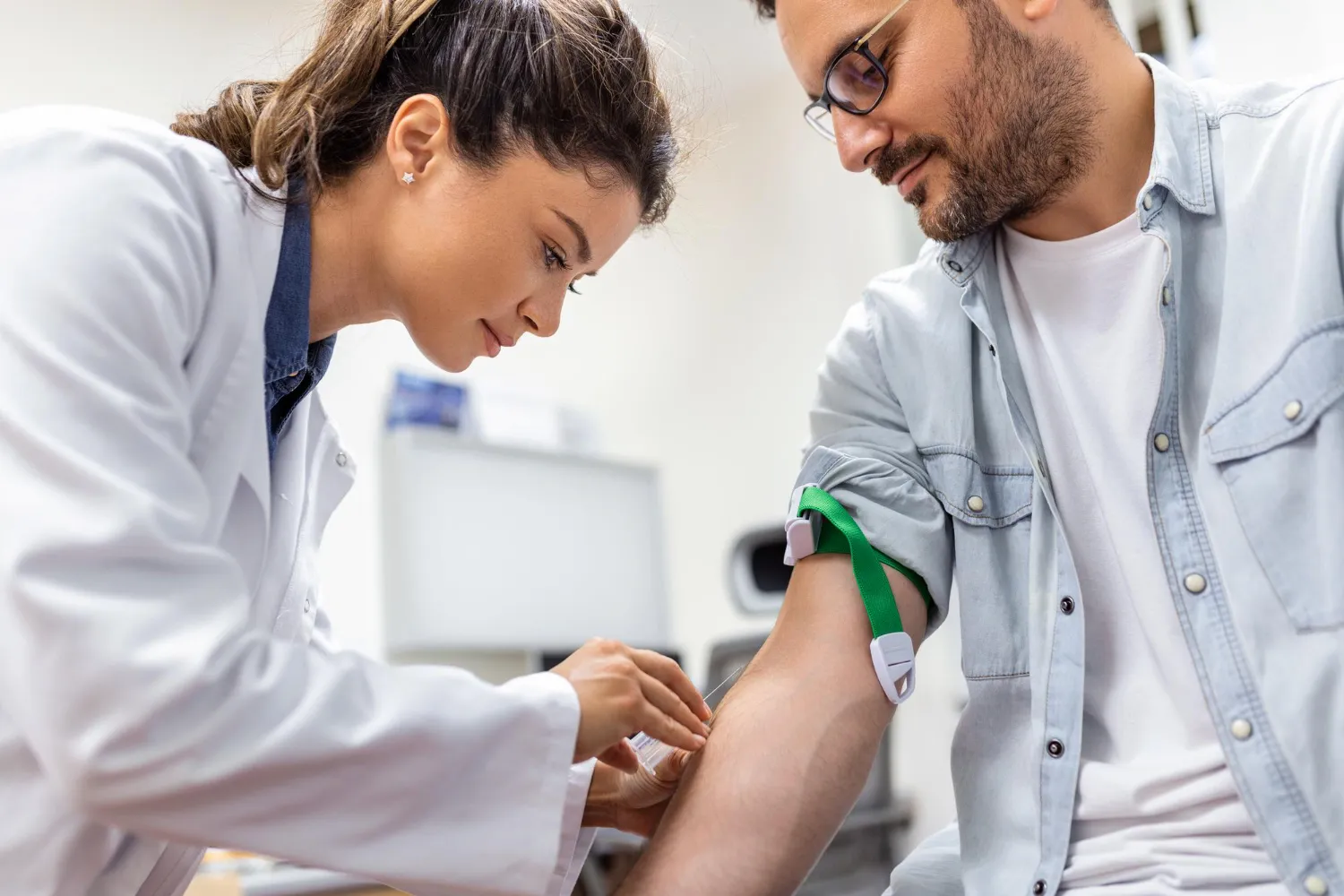
Home blood sample collection is a diagnostic service in which a trained healthcare professional visits the patient’s selected location to collect a blood specimen.
The sample is then handled according to appropriate laboratory procedures and transported for testing. The patient does not necessarily need to visit the laboratory for the collection itself.
This can be particularly useful when a person requires routine laboratory testing but has difficulty travelling. At TruScan, home collection sits alongside in-centre pathology testing and the wider range of diagnostic services available in JP Nagar.
How Does Home Sample Collection Work?
Although the exact process may vary depending on the diagnostic provider and test, the general process involves several stages.
Step 1: Select the Required Tests
The first step is determining which laboratory tests are required. Some tests may be recommended by a doctor, while others may be part of preventive health screening.
Examples can include:
- Blood glucose testing
- Lipid testing
- Complete blood count
- Liver-related investigations
- Kidney-related investigations
- Thyroid testing
- Vitamin-related testing
- Hormonal testing
- Fertility-related investigations
- Other pathology tests
Not every test is suitable for home collection, so test-specific requirements should always be confirmed beforehand. A full body checkup or a doctor’s prescription is a practical place to start.
Step 2: Check Preparation Requirements
Some blood tests require fasting. Others do not. Some tests may have additional preparation requirements involving food, medication, exercise or timing.
It is important not to assume that every blood test requires fasting. Before the appointment, confirm the preparation instructions for the exact tests being performed.
If you take regular medication, do not stop or change it unless your doctor specifically instructs you to do so.
Step 3: Schedule the Collection
A suitable time and location are selected for sample collection. For people living or working in Bengaluru, local home collection can be particularly convenient when regular testing is required.
Step 4: Sample Collection
A trained professional collects the required specimen using appropriate collection equipment. The professional generally confirms the patient’s details and the tests required before proceeding.
Step 5: Sample Handling and Transportation
After collection, specimens must be correctly identified, handled and transported according to the requirements of the tests being performed.
This stage is important because laboratory accuracy depends not only on the analytical process but also on proper pre-analytical handling.
Step 6: Laboratory Testing
Once the specimen reaches the appropriate laboratory facility, it is processed according to the relevant testing procedures.
Step 7: Report Review
The final laboratory report provides test results that can be discussed with the patient’s doctor.
A laboratory report should not be interpreted in isolation. A doctor may consider symptoms, medical history, medications, physical examination and other investigations before reaching a clinical conclusion.
What Blood Tests Can Be Done at Home?
The answer depends on the diagnostic provider and the specific test. Common blood investigations may include:
Complete Blood Count
A CBC can provide information about different blood cell types and may be used in evaluating a variety of health conditions.
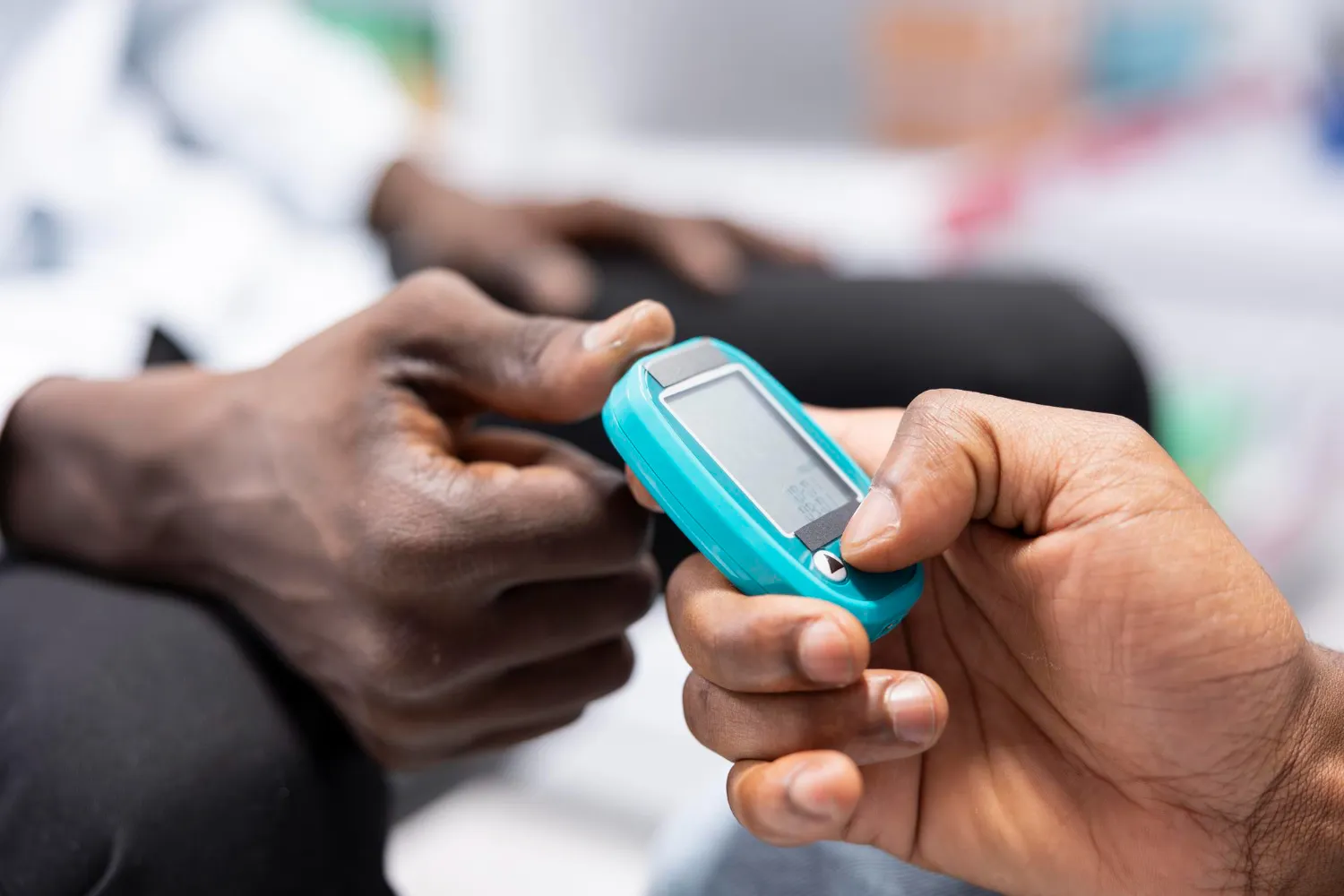
Blood Glucose Tests
Blood glucose testing can be used in diabetes screening and monitoring.
Lipid Profile
A lipid profile evaluates measures related to blood fats, such as cholesterol and triglycerides.
Thyroid Testing
Thyroid-related blood tests can help evaluate thyroid function when clinically indicated.
Liver Function-Related Tests
Blood investigations can provide information about certain aspects of liver function.
Kidney Function-Related Tests
Certain blood tests can provide information relevant to kidney function.
Vitamin and Nutritional Testing
Specific vitamin or nutritional markers may be tested when medically appropriate.
Hormonal Testing
Certain hormone tests may require specific timing or preparation, so instructions should be confirmed before collection.
Fertility-Related Testing
Some fertility investigations involve blood testing, while others require different specimen types and specialised collection procedures.
Does Every Test Require Fasting?
No. Fasting requirements depend on the test.
Some investigations are commonly performed after fasting, while others can be conducted without fasting. Therefore, do not fast simply because you are getting “a blood test.”
Instead, confirm the requirements for the specific tests included in your prescription or health package.
How Should You Prepare for a Home Blood Test?
Follow the Test Instructions
Preparation should be based on the tests being performed.
Stay Hydrated Unless Instructed Otherwise
Adequate hydration may make blood collection easier for some people, but follow any specific instructions given for your test.
Wear Comfortable Clothing
Choose clothing that allows easy access to the arm.
Keep Your Prescription or Test List Ready
Having the doctor’s prescription or requested test list available can reduce confusion.
Tell the Collector About Relevant Information
If there are specific instructions regarding your medications, fasting status or test timing, communicate them clearly.
Who Can Benefit From Home Sample Collection?
Home collection can be useful for:
- Older adults
- Working professionals
- People with mobility limitations
- Individuals undergoing regular monitoring
- People who find laboratory visits difficult
- Families requiring multiple tests
- People seeking greater convenience
It can also be useful for preventive health screening when several members of a family need testing. Routine panels are discussed in Feeling Healthy? These Blood Tests Say Otherwise.
Home Blood Sample Collection in Bengaluru
Bengaluru is a large and busy city where commuting can consume significant time. For residents in areas such as JP Nagar and surrounding parts of Bengaluru, diagnostic home collection can make routine testing easier to incorporate into a busy schedule.
However, convenience should never come at the expense of proper specimen handling, patient identification or appropriate laboratory procedures.
TruScan Diagnostics and Home Sample Collection
TruScan Diagnostics provides pathology and laboratory testing in Bengaluru, with centres in JP Nagar. Home sample collection is one way those services can fit into a day that does not leave time for a centre visit.
For patients considering home blood testing, the journey is straightforward:
Book the required test → Prepare according to instructions → Complete home sample collection → Laboratory processing → Receive the report → Discuss the results with your doctor.
The exact availability of individual tests, collection locations and preparation requirements should always be confirmed with TruScan before scheduling. You can review the full list of TruScan services and the TruScan Basic Health Package when planning a routine check.
Home Collection vs Visiting a Diagnostic Centre
Both options can be appropriate.
Home Collection
Advantages can include:
- Convenience
- Less travel
- Useful for elderly patients
- Better suited to busy schedules
- Convenient for repeat testing
Diagnostic Centre Visit
A centre visit may be preferable when:
- A specialised procedure is required
- The test requires equipment unavailable at home
- Multiple services need to be completed at the centre
- The healthcare provider specifically recommends an in-centre procedure
The best option depends on the test and the patient’s circumstances.
How Important Is Sample Handling?
Very important. Laboratory testing involves several stages, and the period between collecting the sample and analysing it is known as the pre-analytical phase.
Correct identification, collection, storage and transportation are therefore important components of diagnostic quality. This is one reason patients should use established diagnostic services and follow collection instructions carefully.
Related Reading: Blood Sugar Testing · Feeling Healthy? These Blood Tests Say Otherwise
Book a Health Check
TruScan Diagnostics offers pathology testing and the TruScan Basic Health Package at our JP Nagar centres, open 24 hours. Call +91 8956 600 600 to book, or browse all diagnostic services.
Medical Disclaimer: This article is intended for educational purposes only and should not replace professional medical advice, diagnosis, or treatment. Always consult your treating physician regarding your symptoms, test results, or healthcare decisions. Confirm test availability, fasting rules and home-collection coverage before booking.
TruScan Diagnostics, JP Nagar, Bengaluru
- JP Nagar 7th Phase: Manvi Arcade, WGHCS Layout, behind Ever Fine Supermarket, JP Nagar 7th Phase, Bengaluru 560078
- JP Nagar 2nd Phase: 213, 9th Cross Rd, KSRTC Layout, JP Nagar 2nd Phase, Bengaluru 560078
- Phone: +91 8956 600 600 (WhatsApp available)
- Website: truscan.in
- Instagram: @truscandiagnosticsofficial
- Facebook: facebook.com/truscandiagno
- Open 24 Hours
Frequently Asked Questions (FAQs)
Can I get a blood test done at home?
Many routine blood tests can be collected at home, depending on the diagnostic provider and the test. Confirm the specific investigation before you book.
How does home blood sample collection work?
A trained collection professional visits the requested location, confirms your details and the tests required, collects the specimen, and ensures it is appropriately handled for laboratory testing.
What tests can be collected at home?
Many routine pathology blood tests may be suitable for home collection, including complete blood count, blood glucose, lipid profile, thyroid, liver-related, kidney-related, vitamin and some hormone tests. Specialised tests may have different requirements.
Can I get a blood test at home in Bengaluru?
Home blood collection may be available in selected parts of Bengaluru, including areas around JP Nagar, depending on the diagnostic provider and service coverage. Confirm coverage for your address when you book.
Do I need to fast before a home blood test?
Only when required for the particular test. Some investigations are commonly done after fasting, and others are not. Always confirm the instructions before the appointment, and do not stop regular medication unless your doctor tells you to.
Can children have blood samples collected at home?
Depending on the test and provider, paediatric home collection may be possible. Confirm availability and any special requirements beforehand.
How should I choose a diagnostic provider for home collection?
Check whether the required test is available, whether home collection covers your location, whether trained personnel perform collection, whether preparation instructions are clear, and whether the laboratory has the relevant pathology capabilities.