
Before Marriage, Beyond Compatibility: Health Tests Couples Should Consider

Marriage planning often involves conversations about finances, lifestyle, family goals and long-term compatibility. Health is another important part of planning a life together.
A health check before marriage can help couples understand their current health status, identify certain infections or medical conditions, review family and genetic history, and make informed decisions about future pregnancy planning.
However, there is no single standard set of “marriage tests” that every couple must undergo. The appropriate tests depend on factors such as age, medical history, family history, symptoms, lifestyle, reproductive plans and individual risk factors.
The purpose of health screening should not be to judge a person’s suitability for marriage. Instead, it can provide useful health information and encourage couples to discuss important medical and reproductive considerations openly.
Why Should Couples Consider Health Screening Before Marriage?
Many health conditions do not cause obvious symptoms in their early stages. A routine health evaluation may identify certain conditions that a person may not know about.
Pre-marital health screening can help couples:
- Understand their general health
- Identify certain infectious diseases
- Review reproductive and sexual health
- Understand inherited or genetic risks
- Identify health conditions that may require follow-up
- Discuss vaccination status
- Plan for pregnancy when relevant
- Establish healthier habits together
Health screening should be approached as a shared health decision rather than something that one partner is expected to undergo alone.
Is There a Standard Pre-Marriage Health Test Package?
Not necessarily.
There is no universal group of tests that is appropriate for every couple. A healthcare professional may recommend different investigations depending on the individual’s health history and circumstances.
For example, someone with diabetes, high blood pressure, a family history of an inherited condition or a possible exposure to an infection may need different evaluation from someone without these factors.
If pregnancy is planned, prepregnancy care can provide an opportunity to review medical conditions, medications, vaccinations, family history, genetic risks and relevant infection screening before pregnancy.
What Health Tests Should Couples Consider Before Marriage?
The following categories may be discussed with a healthcare professional. Not every test is necessary for every person.
1. Complete Blood Count (CBC)
A Complete Blood Count (CBC) measures different components of blood, including red blood cells, white blood cells and platelets.
It may provide information about conditions such as anaemia or other blood-related abnormalities.
Whether a CBC should be included in a pre-marital health check depends on the person’s medical history and the screening approach recommended by the healthcare professional.
2. Blood Group and Rh Factor
Blood group testing identifies a person’s ABO blood group and Rh status.
Knowing blood group information can be useful for medical records and future healthcare.
However, couples should understand that differences in blood group do not generally determine whether two people can marry or have children together.
During pregnancy, Rh status can become clinically relevant in certain situations, which is why it is routinely considered as part of pregnancy care.
3. Blood Sugar Testing
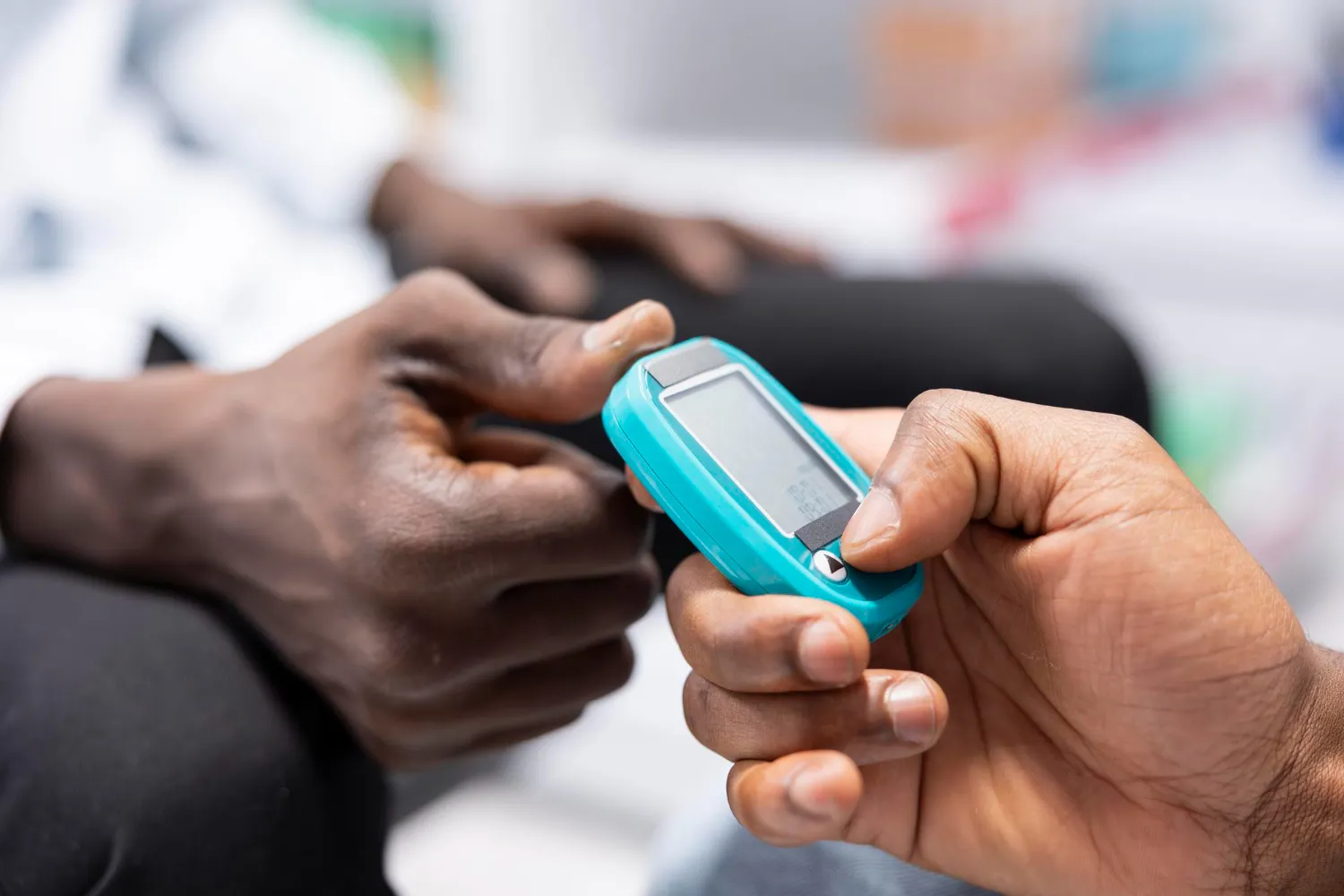
Blood glucose testing can help assess blood sugar levels and may be recommended when screening for diabetes or evaluating diabetes risk.
This can be particularly relevant for people with risk factors such as family history, overweight or obesity, previous abnormal glucose results or other medical concerns.
If a person already has diabetes, discussing blood sugar management before pregnancy is especially important because pre-existing medical conditions can affect pregnancy outcomes.
4. Cholesterol and Lipid Testing
A lipid profile measures blood fats such as cholesterol and triglycerides.
The need for lipid testing depends on factors such as age, personal health, family history and cardiovascular risk.
Understanding cardiovascular risk can help couples make informed lifestyle choices together, including healthy eating, physical activity and tobacco avoidance.
5. Liver and Kidney Function Tests
Depending on medical history and clinical circumstances, healthcare professionals may recommend tests that assess liver or kidney function.
These tests may be particularly relevant when a person has symptoms, an existing medical condition, takes certain medications or has other risk factors.
They should not automatically be considered mandatory pre-marriage tests for everyone.
6. Screening for Sexually Transmitted Infections
STI screening can be an important part of sexual and reproductive healthcare.
Depending on age, sexual history and other risk factors, a healthcare professional may recommend testing for infections such as:
- HIV
- Syphilis
- Hepatitis B
- Hepatitis C
- Chlamydia
- Gonorrhoea
The exact screening recommendations vary according to individual circumstances and current medical guidelines.
ACOG recommends assessing the need for STI screening during prepregnancy counselling.
If either partner believes they may have an STI, testing and appropriate treatment should be discussed with a healthcare professional. ACOG also advises that people who think they or their partner may have an STI should seek testing and treatment.
Importantly, STI testing should be approached as a routine aspect of responsible healthcare rather than as a judgment about a person’s character or relationship.
7. Hepatitis B and Hepatitis C Testing
Hepatitis B and hepatitis C are viral infections that can affect the liver.
Testing may be recommended depending on individual risk factors, medical history and pregnancy plans.
Hepatitis B is particularly relevant when pregnancy is being planned because maternal infection can have implications for the newborn, and preventive measures are available.
Vaccination status should also be reviewed as part of appropriate pre-pregnancy care.
8. HIV Testing
HIV testing can help people understand their health status and access appropriate care if needed.
Knowing HIV status before pregnancy can also help healthcare professionals provide appropriate counselling and treatment to reduce the risk of transmission.
ACOG recommends HIV testing as part of prepregnancy care and notes that knowing HIV status can help people make informed pregnancy-related decisions.
Testing should always be performed with appropriate confidentiality and counselling.
9. Genetic Carrier Screening
Genetic carrier screening can identify whether a person carries certain genetic variants associated with inherited conditions.
A person who is a carrier may not have symptoms or signs of the condition.
If one partner is identified as a carrier, testing of the reproductive partner may sometimes be recommended to better understand potential reproductive risks.
ACOG states that carrier screening and counselling are ideally performed before pregnancy because this gives couples more time to understand their reproductive options.
Carrier screening can include conditions such as cystic fibrosis, spinal muscular atrophy and certain haemoglobin disorders, depending on the screening strategy and individual circumstances.
A negative carrier screening result does not eliminate all genetic risk because no screening test detects every possible genetic change.
10. Thalassemia and Haemoglobinopathy Screening
Thalassemia and other haemoglobin disorders are inherited blood conditions.
Testing may involve a complete blood count and additional laboratory investigations when appropriate.
This type of screening can be particularly relevant when there is a personal or family history of an inherited blood disorder.
ACOG recommends that people considering pregnancy be offered appropriate screening for thalassemias and haemoglobinopathies as part of carrier-screening guidance.
If both partners are found to carry the same inherited condition, genetic counselling can help them understand the potential reproductive implications.
11. Reproductive and Fertility Health
Couples who plan to have children may also discuss reproductive health with a healthcare professional.
For women, this may include discussing:
- Menstrual history
- Previous pregnancies
- Medical conditions
- Medications
- Previous reproductive problems
For men, relevant discussions may include:
- Reproductive history
- Previous fertility concerns
- Medical conditions
- Medications
- Lifestyle factors
Fertility testing is not automatically required before marriage for people without fertility concerns.
If a couple has difficulty conceiving later, a healthcare professional can recommend appropriate fertility evaluation for both partners.
12. Thyroid Testing
Thyroid conditions can affect general health and may have implications for pregnancy.
A thyroid test may be recommended when a person has symptoms, a known thyroid condition, relevant medical history or other clinical reasons.
Routine thyroid testing for every couple is not necessarily required. The decision should be based on individual circumstances and medical advice.
ACOG recommends reviewing chronic medical conditions, including thyroid disease, as part of prepregnancy care.
13. Blood Pressure and General Health Assessment
A health check should not be limited to laboratory tests.
Basic health assessment may include:
- Blood pressure
- Weight and height
- Medical history
- Family history
- Medication review
- Lifestyle assessment
- Existing medical conditions
Conditions such as high blood pressure, diabetes and other chronic illnesses may benefit from appropriate management before pregnancy.
Should Both Partners Take the Same Tests?
Not necessarily.
Some tests may be relevant to both partners, while others depend on biological factors, symptoms, age or reproductive circumstances.
For example, genetic carrier screening may involve testing one partner first and then the other depending on the result and the screening strategy.
Similarly, reproductive evaluation should be tailored to the individual rather than based on a fixed list of tests.
The goal is appropriate health assessment, not identical testing.
When Is the Best Time to Have These Tests?
There is no universal “correct” date for pre-marriage health screening.
If a couple is planning pregnancy, discussing health and reproductive planning before conception can be particularly useful.
Prepregnancy counselling can address medical history, medications, vaccinations, infectious diseases, genetic risks, nutrition and lifestyle factors.
If you are considering health screening before marriage, it is better to speak with a healthcare professional early enough to allow time for any necessary follow-up.
What If a Test Result Is Abnormal?
An abnormal screening result does not necessarily mean that a person has a serious disease.
Screening tests can sometimes produce results that require confirmation or additional evaluation.
If a result is abnormal, the appropriate next step may include:
- Repeat testing
- A confirmatory test
- Consultation with a specialist
- Additional laboratory investigations
- Genetic counselling
- Medical treatment or monitoring
Results should always be interpreted by a qualified healthcare professional.
Couples should also remember that health information is private and should be handled with respect and appropriate confidentiality.
What About Vaccinations Before Marriage or Pregnancy?
Vaccination status can be reviewed as part of general and pre-pregnancy health planning.
ACOG recommends reviewing immunization status during prepregnancy care, including relevant vaccines such as hepatitis B, measles-mumps-rubella (MMR), varicella and others according to individual circumstances.
Some vaccines are recommended before pregnancy because certain vaccines cannot be given during pregnancy.
A healthcare professional can review vaccination history and advise whether any vaccinations are appropriate before conception.
Conclusion
Marriage is an important life decision, and health can be part of the conversation alongside compatibility, finances and future plans.
A pre-marriage health check can help individuals understand their current health, identify certain infections or medical conditions, review genetic and family history and prepare for future pregnancy when relevant.
However, there is no single list of tests that every couple needs. The appropriate evaluation depends on individual circumstances.
If you are planning marriage or pregnancy, consider discussing your health history, family history, medications, vaccination status and reproductive plans with a qualified healthcare professional.
TruScan Diagnostics can support individuals with appropriate laboratory and diagnostic investigations recommended as part of their healthcare evaluation. The right tests should be selected based on individual medical needs and interpreted by qualified healthcare professionals.
Related Reading: Feeling Healthy? These Blood Tests Say Otherwise | Blood Sugar Testing | Full Body Checkup in Your 20s, 30s & 40s | Understanding Your Blood Tests
Book a Pre-Marriage Health Check
TruScan Diagnostics offers clinical biochemistry, immunology, molecular testing and health checkup packages at our JP Nagar centres, open 24 hours. Call +91 8956 600 600 to book.
Medical Disclaimer: This article is intended for educational purposes only and should not replace professional medical advice, diagnosis, or treatment. Always consult your treating physician regarding your symptoms, test results, or healthcare decisions.
TruScan Diagnostics, JP Nagar, Bengaluru
- JP Nagar 7th Phase: Manvi Arcade, WGHCS Layout, behind Ever Fine Supermarket, JP Nagar 7th Phase, Bengaluru 560078
- JP Nagar 2nd Phase: 213, 9th Cross Rd, KSRTC Layout, JP Nagar 2nd Phase, Bengaluru 560078
- Phone: +91 8956 600 600 (WhatsApp available)
- Website: truscan.in
- Instagram: @truscandiagnosticsofficial
- Facebook: facebook.com/truscandiagno
- Open 24 Hours
Frequently Asked Questions About Pre-Marriage Health Tests
Useful answers for couples planning screening before marriage or pregnancy
Are health tests mandatory before marriage?
There is no universal set of medical tests that every couple must complete before marriage. Appropriate screening depends on individual health, medical history, risk factors and reproductive plans.
Which blood tests should couples consider before marriage?
Depending on individual circumstances, testing may include CBC, blood glucose, lipid profile, infectious-disease testing, blood group and other investigations. A healthcare professional can determine which tests are appropriate.
Should couples get tested for HIV before marriage?
HIV testing can be an important part of sexual and reproductive healthcare. The need for testing should be discussed according to current guidelines and individual circumstances.
Should couples undergo genetic testing before marriage?
Genetic carrier screening can be considered, particularly when planning pregnancy or when there is a relevant family history. Carrier screening is ideally performed before pregnancy because it provides more time for counselling and reproductive decision-making.
Is fertility testing necessary before marriage?
Not routinely. Fertility testing is generally considered when there are fertility concerns or other clinical reasons for evaluation.
What if both partners are carriers of the same genetic condition?
If both partners are carriers of the same recessive genetic condition, genetic counselling can help explain reproductive risks and available options.
Should couples take the same health tests?
Not always. Tests should be selected according to each person's health history, risk factors, age, symptoms and reproductive plans.
Can a health check guarantee a healthy marriage or healthy baby?
No. Medical screening can identify certain health conditions and risks, but no test can predict every future health outcome or guarantee a particular pregnancy outcome.