
How Age Affects Male Fertility and Sperm Analysis Test Results

When people discuss fertility and age, the focus is often on women. However, male age can also influence reproductive health, and changes in sperm production, semen parameters and general health can become more relevant as men get older.
This does not mean that men suddenly become infertile after reaching a particular age. Men can father children well into their 40s, 50s and beyond. However, increasing age may be associated with changes in certain sperm parameters and with a gradual increase in some reproductive and pregnancy-related risks.
This is why questions such as “Does male fertility decrease with age?”, “Does age affect sperm count?”, “Does sperm quality decrease after 40?”, “What does a semen analysis test show?” and “When should men get a semen analysis?” are important questions for couples planning a pregnancy.
The most important principle is that age alone cannot determine whether a man is fertile or infertile.
Male fertility depends on multiple factors, including sperm production, sperm movement, sperm morphology, reproductive anatomy, hormones, general health, lifestyle, medications and the reproductive health of the female partner.
The World Health Organization’s current infertility guideline recognises infertility as a condition requiring appropriate evaluation and treatment, with male factors representing an important part of fertility care.
For men concerned about fertility, a semen analysis or sperm analysis test is one of the key investigations used to assess semen and sperm characteristics. The WHO’s laboratory manual provides standardised procedures for semen examination and emphasises the importance of laboratory quality and consistent testing.
Does Male Fertility Decrease With Age?
The short answer is yes, some aspects of male reproductive function can change with age—but male fertility does not suddenly end at a specific age.
Men continue producing sperm throughout adult life, although the quantity and characteristics of sperm can change over time.
The American Society for Reproductive Medicine notes that semen parameters decline detectably after approximately age 35, while also explaining that male fertility does not appear to be substantially affected before around age 50.
This illustrates why it is difficult to define one specific age at which a man’s fertility becomes “low.”
For example:
- A 42-year-old man may have normal semen parameters.
- A 32-year-old man may have a significantly abnormal semen analysis.
- A 48-year-old man may conceive naturally.
- A younger man may experience infertility because of a medical condition.
Therefore, male fertility after 40 should be evaluated according to the individual rather than judged purely by age.
How Does Age Affect Male Fertility?
Ageing can be associated with changes in several aspects of male reproductive health.
Potential changes include:
- Sperm concentration
- Total sperm count
- Sperm motility
- Sperm morphology
- Semen volume
- Sperm DNA integrity
- Hormonal function
- Testicular function
However, these changes do not occur at exactly the same rate in every man.
A man’s overall health can significantly influence reproductive function.
For example, an older man who maintains healthy metabolic function, avoids smoking and manages chronic diseases may have very different reproductive parameters from another man of the same age who has obesity, uncontrolled diabetes, heavy alcohol use or other medical conditions.
This is why fertility assessment should combine age, medical history, lifestyle, semen analysis, clinical examination and other appropriate tests.
Male Fertility After 30, 40 and 50
Male Fertility in the 30s
Many men in their 30s have normal reproductive function.
However, semen parameters may already begin to change gradually with age in some men.
A man who is planning to delay fatherhood may therefore benefit from understanding that male fertility is not completely unaffected by age.
This does not mean that every man in his 30s needs fertility testing. Testing is generally guided by reproductive plans, symptoms, medical history and clinical circumstances.
Male Fertility After 40
Men can absolutely father children after 40.
However, paternal age becomes increasingly relevant when evaluating reproductive health.
The AUA/ASRM guideline advises clinicians to counsel couples with advanced paternal age, defined in that guideline as 40 years or older, about increased risks of adverse health outcomes for offspring.
This does not mean that pregnancy after 40 is unsafe or impossible. It means that age is one factor worth discussing with a healthcare professional when planning a pregnancy.
Male Fertility After 50
Men can also father children after 50.
However, increasing paternal age can be associated with changes in sperm characteristics and certain reproductive risks.
For men considering fatherhood later in life, discussing reproductive health with a doctor can help identify potentially modifiable risk factors and determine whether fertility testing is appropriate.
What Is Sperm Quality?
The term sperm quality refers to several characteristics rather than one measurement.
A semen analysis can provide information about several of these characteristics.
Sperm Concentration
Sperm concentration refers to the number of sperm present per unit volume of semen. A low concentration may indicate reduced sperm production, although the interpretation depends on the complete report.
Total Sperm Number
This considers the total number of sperm present in the entire ejaculate. Total sperm number can provide information that complements sperm concentration.
Sperm Motility
Motility describes sperm movement. For natural conception, sperm need to move through the reproductive tract and reach the egg. Therefore, sperm movement is an important component of semen analysis.
Sperm Morphology
Morphology refers to the shape and structure of sperm. Laboratories evaluate sperm according to established criteria. Morphology can contribute to fertility assessment, but it should not be interpreted in isolation.
Semen Volume
Semen volume measures the amount of semen produced during ejaculation. Changes in semen volume can have several causes and need to be interpreted alongside the other findings.
The WHO’s sixth-edition semen manual provides standardised laboratory methods for examining these and other semen characteristics.
Does Age Affect Sperm Count?
Age can affect sperm count and other semen parameters, but the effect varies from person to person.
As men age, changes in sperm production may occur. However, there is no single age at which every man’s sperm count declines dramatically.
Sperm count can also be influenced by:
- Testicular health
- Hormones
- Varicocele
- Infection
- Obesity
- Smoking
- Alcohol
- Certain medications
- Anabolic steroids
- Chemotherapy
- Genetic conditions
- Other medical conditions
Therefore, if a couple is experiencing difficulty conceiving, a sperm analysis test provides more useful information than simply looking at the man’s age.
Does Sperm Quality Decrease After 40?
Some aspects of sperm quality may decline with increasing age. Research and clinical guidance recognise associations between increasing paternal age and changes in semen parameters and sperm biology.
However, the effect is variable. The important distinction is: age may influence sperm quality, but age does not determine an individual’s sperm quality.
A semen analysis can provide actual information about the characteristics of a particular sample. This is one reason sperm analysis after 40 may be considered when there is a fertility concern.
Does Age Affect Sperm Motility?
Sperm motility can change with age. Motility is important because sperm need to move effectively to reach the egg.
A semen analysis may assess the percentage of sperm that are motile and provide additional information about movement depending on the laboratory’s methodology.
Reduced motility can have many causes, so an abnormal result should not automatically be attributed to age.
A fertility specialist may consider:
- Age
- Medical history
- Hormones
- Lifestyle
- Previous infections
- Testicular health
- Other semen parameters
before determining the significance of the result.
Does Age Affect Sperm Morphology?
Sperm morphology refers to sperm shape and structure. Age may be associated with changes in morphology in some men, but morphology also varies between individuals and between samples.
Importantly, morphology should not be interpreted as a simple “fertile” or “infertile” measurement.
The AUA/ASRM guideline notes that individual semen parameters such as concentration, morphology and motility are not, by themselves, highly predictive of fertility or diagnostic of infertility. This is an important point for anyone reading a semen report.
What Is Sperm DNA Integrity?
Sperm carry genetic material that contributes to the embryo. Ageing has been associated with changes in sperm DNA integrity and other genetic characteristics.
The AUA/ASRM guideline notes that advanced paternal age is associated with increased de novo germline mutations, sperm aneuploidy, structural chromosomal abnormalities and sperm DNA fragmentation.
However, this does not mean that every older man has abnormal sperm DNA or that pregnancy should be avoided solely because of paternal age. It means that age can be one factor considered during appropriate reproductive counselling.
Advanced sperm testing is not automatically required for every man. A fertility specialist should determine whether additional testing is clinically appropriate.
What Is a Semen Analysis?
A semen analysis, also called a sperm analysis test, is a laboratory investigation used to examine semen and sperm. The WHO describes semen analysis as useful for investigating male fertility status and provides standardised methods intended to improve the quality and comparability of semen testing between laboratories.
Depending on the laboratory, the report may provide information about:
- Semen volume
- Sperm concentration
- Total sperm number
- Sperm motility
- Sperm morphology
- Other semen characteristics
A semen analysis is one of the first-line investigations used in the evaluation of male infertility. The AUA/ASRM guideline recommends that initial male infertility evaluation include a reproductive history and one or more semen analyses.
What Does a Semen Analysis Test Show?
A semen analysis can answer several important questions.
How many sperm are present?
This is assessed through sperm concentration and/or total sperm number.
Are the sperm moving?
Motility provides information about sperm movement.
What do the sperm look like?
Morphology assesses sperm shape and structure.
How much semen is produced?
Semen volume is measured as part of the analysis.
But a semen analysis does not provide a complete answer to every fertility question. It cannot independently determine:
- Whether a couple will conceive
- The fertility of the female partner
- Every hormonal abnormality
- Every anatomical problem
- All genetic causes
- Every possible sperm-function problem
WHO specifically notes that semen analysis cannot confirm fertility in an individual man because fertility depends on several factors, including the fertility potential of the partner.
Can One Abnormal Semen Analysis Mean Infertility?
No. This is one of the most important things patients should understand.
Semen parameters are biological measurements and can vary between ejaculates. An abnormal result therefore needs clinical interpretation.
The AUA/ASRM guideline states that semen parameters can vary substantially between ejaculates and recommends obtaining at least two semen analyses, ideally at least one month apart, particularly when the first test shows abnormal parameters.
Therefore, a patient should not assume that one abnormal report means permanent infertility. A doctor may recommend repeat testing before making conclusions.
How Should Men Prepare for a Semen Analysis?
Preparation instructions can vary depending on the laboratory. Patients may receive instructions regarding:
- Sexual abstinence
- Collection method
- Collection container
- Collection location
- Transport
- Time between collection and laboratory processing
Follow the instructions provided by the laboratory performing the test. Do not rely solely on generic information from the internet because different tests and laboratory protocols may have specific requirements.
The WHO semen manual provides standardised laboratory procedures precisely because collection and processing can influence the quality and comparability of semen analysis.
Why Is Correct Sample Collection Important?
Semen analysis depends on obtaining an appropriate specimen. If a portion of the ejaculate is accidentally lost, the sample may not accurately represent the complete ejaculate.
Patients should therefore:
- Follow the laboratory’s instructions.
- Use the container provided or approved by the laboratory.
- Ensure the complete sample is collected where instructed.
- Provide the specimen within the specified time if home collection is permitted.
- Tell the laboratory if there was any problem during collection.
The laboratory can then determine whether the sample is suitable for analysis.
What Causes Male Infertility Besides Age?
Age is only one possible factor.
Varicocele
A varicocele involves enlarged veins around the testicle and can affect sperm production in some men.
Hormonal Problems
Sperm production is regulated by a complex hormonal system involving the brain, pituitary gland and testes. Problems involving hormones such as FSH, LH or testosterone can affect fertility. These can be assessed through pathology blood tests when a doctor recommends them.
Testicular Problems
Conditions affecting the testicles can interfere with sperm production.
Infections
Certain infections can affect the reproductive tract.
Genetic Factors
Some genetic abnormalities can affect sperm production or reproductive function.
Previous Surgery
Some reproductive or pelvic surgeries can affect fertility.
Chemotherapy and Other Treatments
Certain medical treatments can affect sperm-producing cells.
Obesity and Metabolic Health
Metabolic health can influence hormonal and reproductive function.
Smoking
Smoking is associated with adverse reproductive and general health effects.
Excessive Alcohol Consumption
Heavy alcohol use can affect general health and may influence reproductive function.
Anabolic Steroids
Anabolic steroids can suppress natural reproductive hormone signalling and significantly reduce sperm production.
The WHO’s current infertility guidance emphasises evidence-based evaluation and treatment of male-factor infertility, while the AUA/ASRM guideline highlights medical, lifestyle and age-related factors in male reproductive assessment.
Can Lifestyle Affect Male Fertility?
Lifestyle does not explain every case of infertility, but healthy habits can support overall reproductive health.
Maintain a Healthy Weight
Excess body weight can be associated with metabolic and hormonal changes.
Avoid Tobacco
Tobacco use is a recognised risk factor for poorer reproductive health.
Limit Excessive Alcohol
Reducing excessive alcohol consumption supports general health.
Exercise Regularly
Regular physical activity supports cardiovascular and metabolic health.
Sleep Adequately
Consistent sleep is important for general hormonal and metabolic health.
Manage Chronic Diseases
Conditions such as diabetes should be appropriately managed.
Avoid Unsupervised Testosterone or Steroids
Men planning pregnancy should speak with a doctor before using testosterone therapy or anabolic steroids. External testosterone can suppress sperm production.
Can Diabetes Affect Male Fertility?
Diabetes can affect male sexual and reproductive health. Potential complications can involve:
- Erectile function
- Nerve function
- Blood vessels
- Hormonal health
- Overall metabolic health
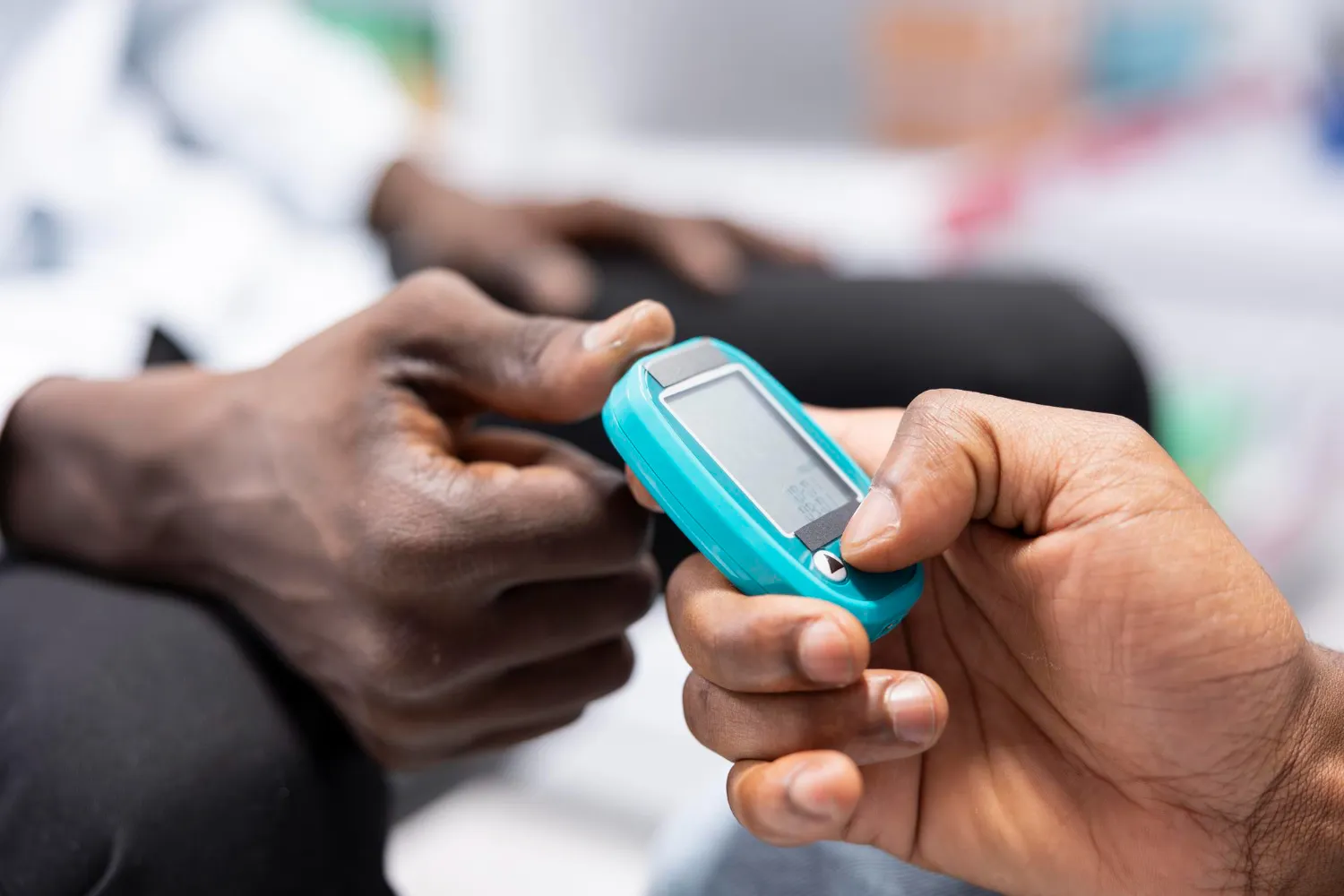
Men with diabetes who are experiencing difficulty conceiving should discuss the issue with a healthcare professional. Depending on the circumstances, the doctor may recommend semen analysis, hormone testing or other investigations. Blood glucose monitoring is discussed in Blood Sugar Testing.
When Should Men Get a Semen Analysis?
A semen analysis may be appropriate when:
- A couple has difficulty conceiving.
- There is a history of male infertility.
- There is a known testicular problem.
- There has been reproductive surgery.
- There is concern about sperm production.
- Fertility treatment is being considered.
- A doctor identifies potential male-factor infertility.
WHO defines infertility as failure to achieve pregnancy after 12 months or more of regular unprotected sexual intercourse. However, couples do not always need to wait exactly 12 months before discussing fertility. Earlier evaluation may be appropriate when there are known risk factors or medical concerns.
The female partner’s age is also important in determining how quickly a couple should seek evaluation. ASRM recommends evaluation after 12 months when the female partner is under 35 and after 6 months when she is 35 or older, assuming regular unprotected intercourse and no known cause.
Should Men Over 40 Get a Sperm Analysis?
Being over 40 does not automatically mean that a man needs a semen analysis. However, if a man is trying to conceive and has concerns about fertility, age can be part of the reason to discuss testing with a doctor.
Testing may be particularly relevant when there are additional factors such as:
- Previous fertility problems
- Testicular disease
- Previous surgery
- Hormonal symptoms
- Diabetes
- Obesity
- Medication use
- Previous chemotherapy
- Long-term smoking
- Difficulty conceiving
A semen analysis gives objective information that age alone cannot provide.
What Other Male Fertility Tests May Be Recommended?
A doctor may recommend additional tests depending on the semen analysis and medical history.
Testosterone
Testosterone testing may be useful when hormonal problems are suspected.
FSH
Follicle-stimulating hormone can provide information about the hormonal regulation of sperm production.
LH
Luteinising hormone is involved in reproductive hormone regulation.
Prolactin
Prolactin may be evaluated in selected patients with hormonal or sexual symptoms.
Antisperm Antibodies
These may be investigated in selected situations, although they are not generally recommended as a routine first-line test for every infertile man.
Genetic Testing
Genetic testing may be appropriate for selected men with severe abnormalities in sperm production.
Scrotal Doppler
Ultrasound Doppler imaging can be used to evaluate scrotal structures when clinically indicated.
The important point is that not every patient requires every fertility test. Testing should be based on the individual’s medical history and clinical assessment.
TruScan Diagnostics for Male Fertility Testing
For men searching for male fertility testing in Bengaluru, TruScan Diagnostics provides a dedicated fertility testing pathway.
TruScan’s current Fertility Profile – Men & Women lists several male fertility investigations, including:
- Semen analysis
- Total testosterone
- Free testosterone
- LH
- FSH
- Prolactin
- Antisperm antibody testing
- Scrotal Doppler
- Karyotype and selected genetic investigation
The exact combination of investigations should be confirmed with the diagnostic provider and treating doctor because not every test is appropriate for every patient.
The current TruScan page states that its Fertility Profile is available at:
- TruScan Diagnostics – JP Nagar 7th Phase: Manvi Arcade, WGHCS Layout, Bengaluru
- TruScan Diagnostics – JP Nagar 2nd Phase: 213, 9th Cross Road, KSRTC Layout, Bengaluru
TruScan currently states that both centres are open 24 hours for walk-ins and scheduled appointments. The current package page also states that preparation requirements, including fasting where relevant, depend on the tests included and are confirmed during booking.
This creates a useful diagnostic pathway for men concerned about fertility: consultation, appropriate fertility tests, semen analysis and/or blood tests, additional testing where clinically indicated, doctor interpretation, and further management.
Why a Fertility Profile Can Be More Useful Than a Single Test
A common mistake is to think that male fertility is simply a question of sperm count. It is not.
A man may have an acceptable sperm concentration but have another abnormal parameter. Conversely, one abnormal semen parameter does not necessarily mean that natural conception is impossible.
A broader fertility assessment can help identify whether there are additional issues involving:
- Sperm
- Hormones
- Testicular structures
- Reproductive tract
- Genetics
- Other health factors
This is why a doctor may recommend a combination of tests rather than relying on one number.
Male Fertility and Advanced Paternal Age
Paternal age deserves discussion when men plan to become fathers later in life. The AUA/ASRM guideline recommends counselling couples with advanced paternal age, defined as 40 years or older in that guideline, about increased risks of adverse health outcomes for offspring.
These risks are generally population-level associations, not predictions about an individual child. A man should therefore not assume that fatherhood after 40 or 50 is impossible or unsafe.
Instead, couples can discuss:
- Reproductive planning
- General health
- Family history
- Fertility testing
- Genetic counselling where appropriate
- Pregnancy-related risks
with qualified healthcare professionals.
What Does a Male Fertility Evaluation Usually Look Like?
A complete evaluation may involve several stages.
Stage 1: Medical and Reproductive History
The doctor may ask about:
- Previous pregnancies
- Duration of trying to conceive
- Sexual function
- Previous infections
- Surgeries
- Medications
- Lifestyle
- Family history
- Testicular problems
Stage 2: Physical Examination
The doctor may assess the reproductive system and look for signs such as testicular abnormalities or varicocele.
Stage 3: Semen Analysis
A semen analysis provides information about sperm and semen parameters.
Stage 4: Hormonal Testing
Hormone testing may be recommended when clinically indicated.
Stage 5: Imaging
Scrotal imaging may be considered when there is a specific clinical indication.
Stage 6: Genetic or Specialised Testing
Additional testing may be recommended for selected patients.
This structured approach is consistent with the AUA/ASRM recommendation that male infertility assessment include reproductive history and semen analysis, followed by directed investigations where indicated.
Final Takeaway
Male fertility and age are connected, but age alone does not determine fertility.
Men can remain capable of fathering children well into later adulthood. At the same time, increasing age may be associated with changes in sperm concentration, motility, morphology, semen characteristics and sperm DNA.
This is why couples should avoid making assumptions based solely on age.
A semen analysis can provide useful information about sperm concentration, motility, morphology and other semen characteristics. If abnormalities are identified, a doctor may recommend repeat testing or additional investigations such as hormonal evaluation, genetic testing or imaging.
The WHO emphasises the importance of standardised semen laboratory procedures, while current WHO infertility guidance supports evidence-based evaluation and treatment of infertility.
For men seeking male fertility testing in Bengaluru, TruScan Diagnostics’ current Fertility Profile includes semen analysis and a range of hormonal, reproductive, genetic and imaging investigations, with listed centres in JP Nagar 7th Phase and JP Nagar 2nd Phase.
If you and your partner are planning a pregnancy after 40, experiencing difficulty conceiving, or have concerns about sperm health, speak with a qualified fertility specialist. The right approach is to evaluate the individual—not simply the number on the calendar.
Understanding your reproductive health starts with appropriate evaluation, accurate testing and professional interpretation.
Related Reading: Prostate Health After 40 · Before Marriage Health Tests for Couples
Book a Fertility Test
TruScan Diagnostics offers the Fertility Profile – Men & Women, including semen analysis and related hormonal tests, at our JP Nagar centres, open 24 hours. Call +91 8956 600 600 to book, or browse all diagnostic services.
Medical Disclaimer: This article is intended for educational purposes only and should not replace professional medical advice, diagnosis, or treatment. Semen analysis and other fertility tests need clinical interpretation. Always consult a qualified fertility specialist or your treating physician about your results, reproductive plans, and which tests are appropriate. Confirm the current test list, preparation requirements and appointment availability before visiting.
TruScan Diagnostics, JP Nagar, Bengaluru
- JP Nagar 7th Phase: Manvi Arcade, WGHCS Layout, behind Ever Fine Supermarket, JP Nagar 7th Phase, Bengaluru 560078
- JP Nagar 2nd Phase: 213, 9th Cross Rd, KSRTC Layout, JP Nagar 2nd Phase, Bengaluru 560078
- Phone: +91 8956 600 600 (WhatsApp available)
- Website: truscan.in
- Instagram: @truscandiagnosticsofficial
- Facebook: facebook.com/truscandiagno
- Open 24 Hours
Frequently Asked Questions About Male Fertility and Age
Does male fertility decrease with age?
Some semen parameters can decline with increasing age, but male fertility does not suddenly stop at a particular age.
Does age affect sperm count?
Age can be associated with changes in sperm concentration and total sperm number, but the effect varies significantly between individuals.
Does sperm quality decrease after 40?
Some aspects of sperm quality can change with age. However, actual sperm quality should be assessed through appropriate testing rather than assumed from age alone.
Can a 40-year-old man still have children?
Yes. Men can father children after 40. However, paternal age may be relevant to fertility counselling and reproductive risk assessment.
Should men get a semen analysis after 40?
Not simply because they are over 40. Testing may be appropriate when there is difficulty conceiving, a relevant medical history or another clinical reason.
What does a semen analysis test show?
It can assess semen volume, sperm concentration, total sperm number, motility and morphology, depending on the laboratory's testing protocol.
Can one abnormal semen analysis mean infertility?
No. Semen parameters vary between samples, and doctors may recommend repeat testing or further evaluation.
How long should a man abstain before a semen analysis?
The required abstinence period depends on the laboratory's protocol. Follow the instructions provided by the laboratory performing the test.
What is the difference between sperm count and sperm quality?
Sperm count refers primarily to the number or concentration of sperm. Sperm quality is a broader concept that can include motility, morphology and other characteristics.
Can smoking affect male fertility?
Yes. Tobacco use is associated with adverse reproductive and general health effects.
Can alcohol affect sperm quality?
Excessive alcohol consumption may negatively affect general health and reproductive function.
Does testosterone treatment affect sperm production?
External testosterone can suppress the body's natural reproductive hormone signalling and reduce sperm production. Men trying to conceive should discuss testosterone treatment with a doctor.
Can diabetes affect male fertility?
Diabetes and its complications can affect sexual and reproductive health. Men with diabetes who have fertility concerns should seek appropriate medical evaluation.
What is a fertility profile?
A fertility profile is a combination of investigations designed to evaluate selected aspects of reproductive health. The exact tests vary by provider and patient.
Does TruScan offer male fertility testing?
Yes. TruScan currently lists a Fertility Profile for Men and Women that includes semen analysis, testosterone-related testing, LH, FSH, prolactin, antisperm antibody testing, scrotal Doppler and selected genetic testing among its male investigations.
Where can I get fertility testing in Bengaluru?
TruScan currently lists its Fertility Profile at its JP Nagar 7th Phase and JP Nagar 2nd Phase centres in Bengaluru. Patients should confirm the current test list, preparation requirements and appointment availability before visiting.