
Is Your Brain Aging Faster? 5 Silent Signs an MRI Can Detect

Aging is natural. But accelerated brain aging is something you shouldn’t ignore. Neurological health concerns are rising — not just among seniors, but also among professionals in their 30s and 40s. Stress, metabolic disorders, poor sleep, pollution exposure, and digital overload can silently affect brain health. Early brain aging rarely shows dramatic symptoms. That’s where preventive MRI screening can play a powerful role.
What Is Brain Aging?
Brain aging refers to gradual structural and functional changes in the brain, including shrinkage in specific regions, reduced blood flow, inflammation, white matter changes, and neuronal degeneration. While some changes are natural, accelerated brain aging can increase the risk of dementia, stroke, and cognitive decline.
Why Early Detection Matters
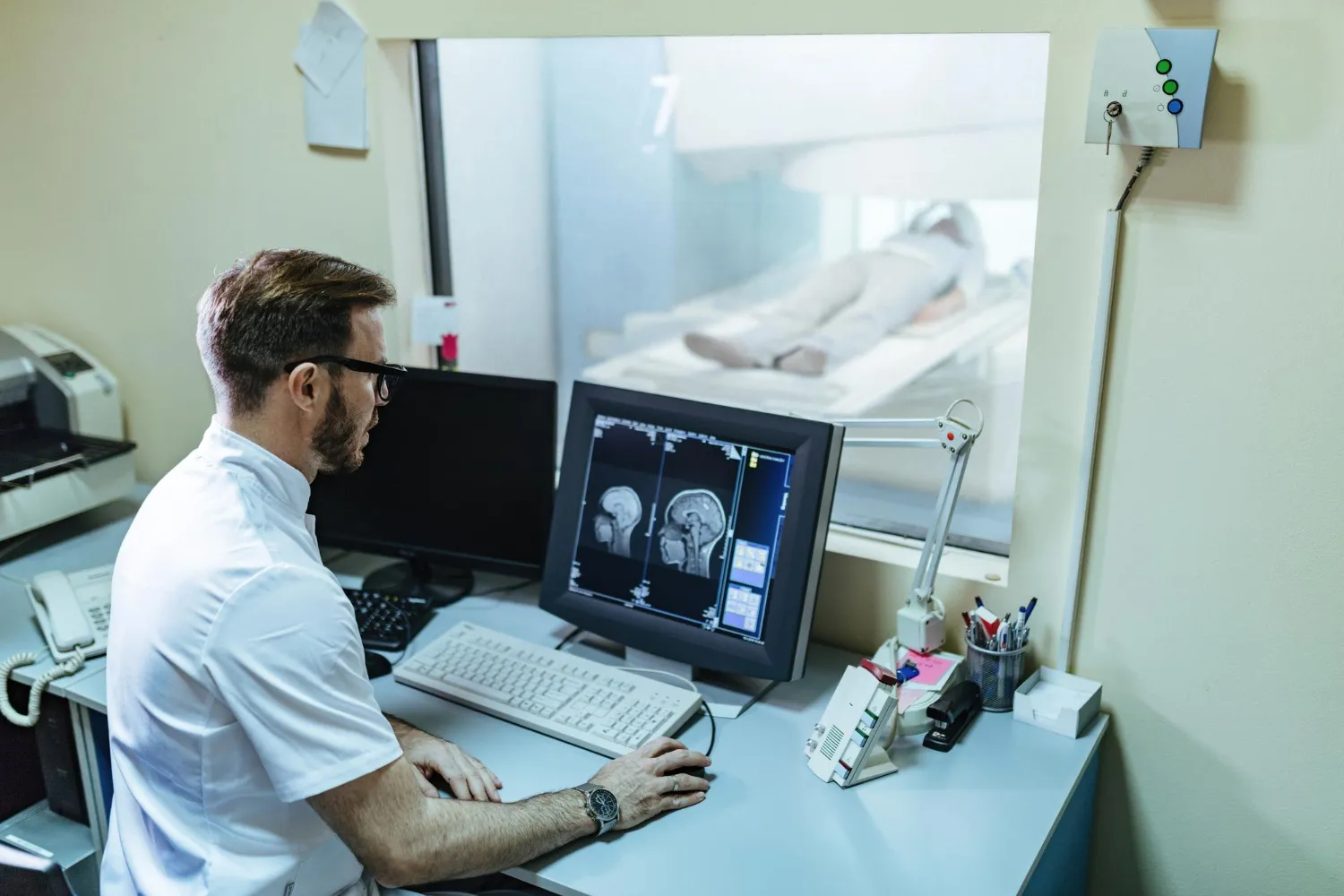
Traditionally, brain scans were recommended only when symptoms became severe. Modern preventive healthcare focuses on earlier detection. Advanced MRI imaging can detect silent mini-strokes, microvascular ischemic changes, early hippocampal shrinkage, white matter lesions, and inflammation patterns. Catching these early allows lifestyle correction and medical management before irreversible damage occurs.
5 Silent Signs Your Brain May Be Aging Faster
1. Persistent Brain Fog
If you constantly feel mentally slow, distracted, or unable to focus, it may not just be stress. Chronic brain fog may indicate inflammation or reduced cerebral blood flow.
2. Subtle Memory Changes
Repeatedly forgetting appointments, misplacing items frequently, or struggling with recall could signal early cognitive shifts.
3. Unexplained Mood Changes
Anxiety, irritability, or mild depressive symptoms without clear triggers may sometimes be linked to neurological changes.
4. Poor Sleep Quality
Sleep is critical for brain recovery. Chronic insomnia can accelerate cognitive decline.
5. Frequent Headaches
Recurring headaches, especially with lifestyle risk factors like hypertension, warrant evaluation.
Who Is at Higher Risk?
- Individuals above 40
- People with diabetes or hypertension
- Family history of Alzheimer’s or stroke
- High-stress professionals
- Post-COVID neurological complaints
How MRI Helps at TruScan Diagnostics
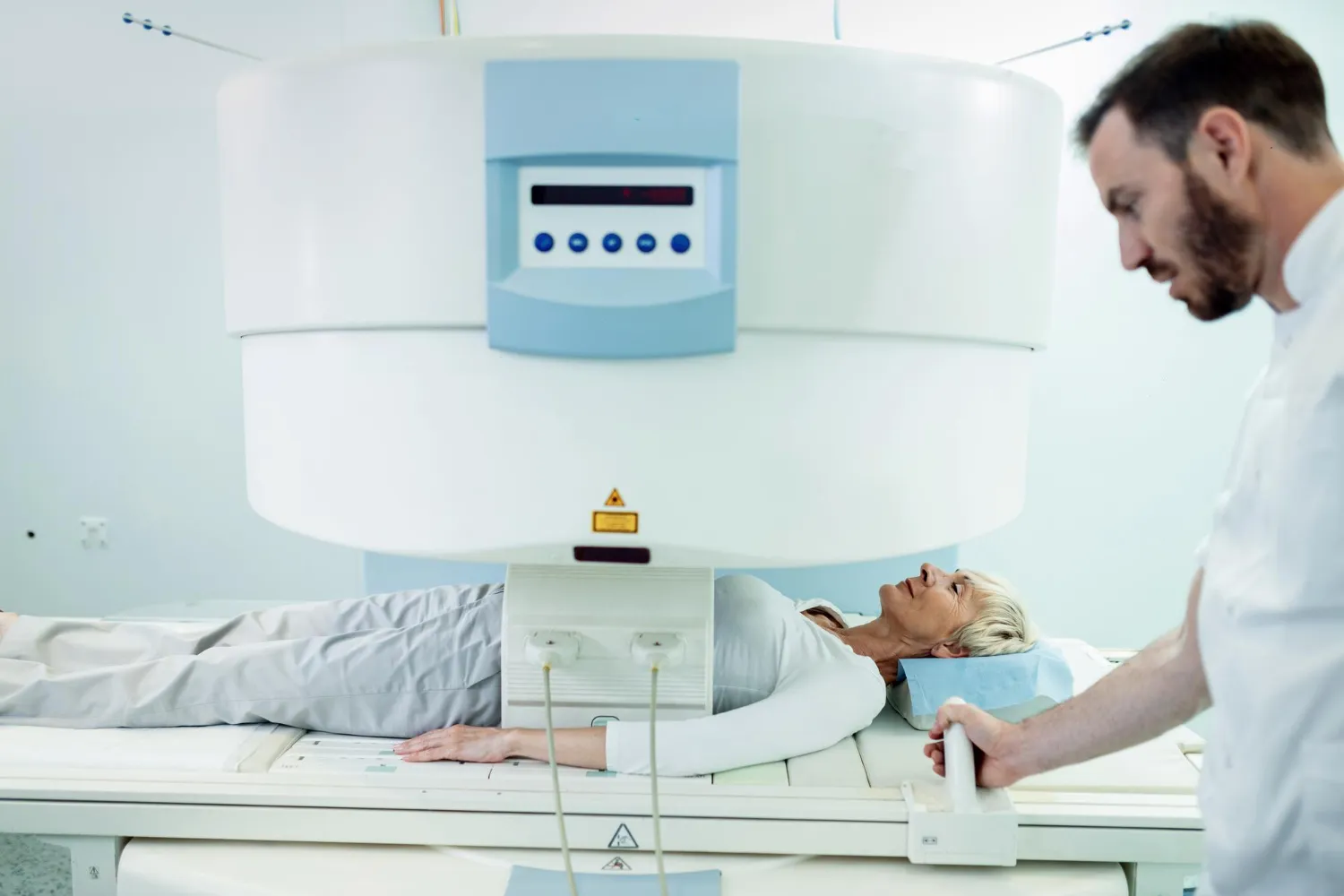
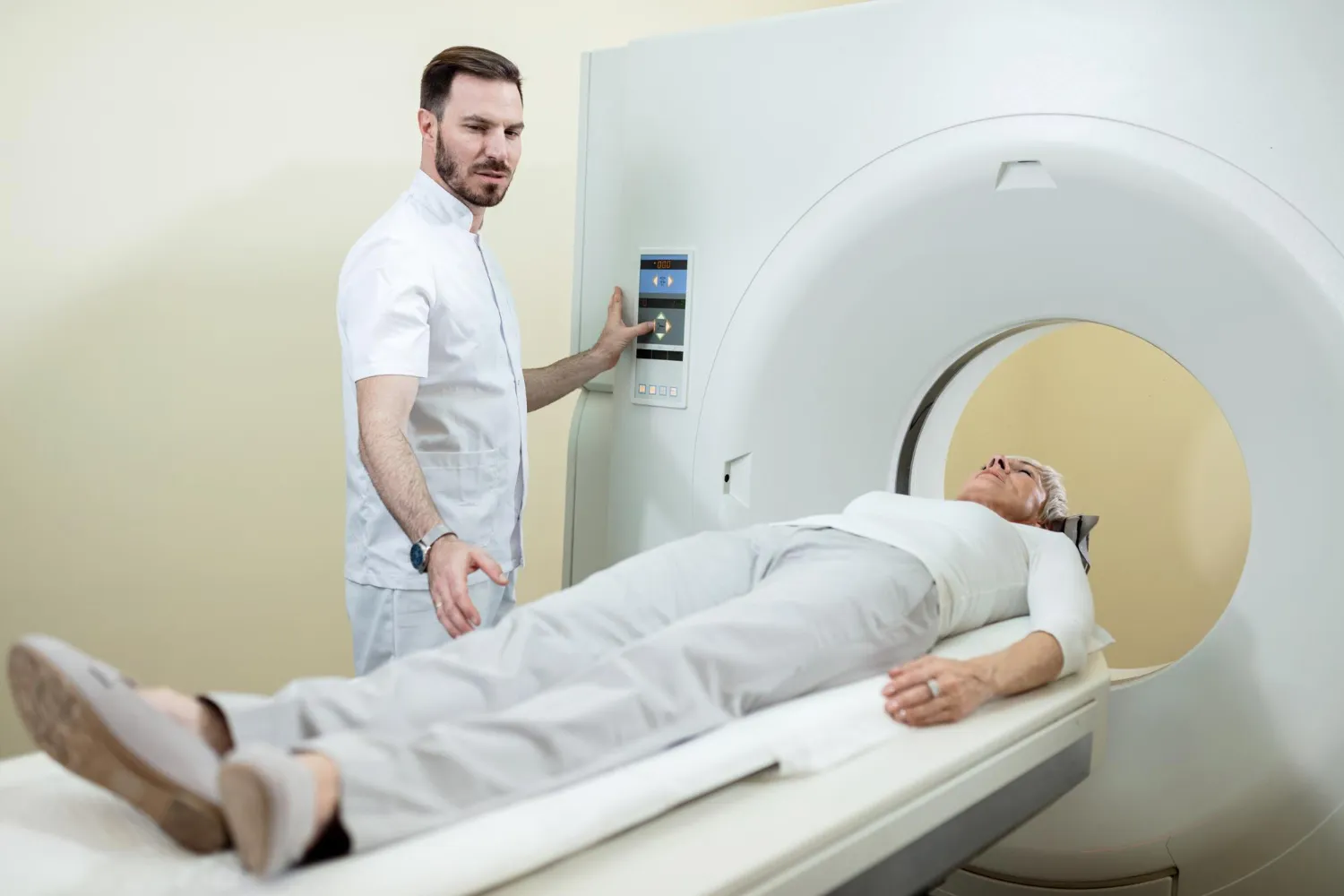
At TruScan Diagnostics, MRI provides high-resolution brain imaging without radiation exposure. Key advantages include early structural assessment, vascular evaluation, detection of silent abnormalities, and a non-invasive, generally well-tolerated procedure. A brain MRI typically takes 20–45 minutes depending on the protocol.
Book a Brain MRI
If you have persistent brain fog, memory changes, or recurring headaches, discuss MRI screening with your doctor. View our MRI services or call +91 8956 600 600.
Medical Disclaimer: This article is intended for educational purposes only and should not replace professional medical advice, diagnosis, or treatment. Always consult your treating physician regarding your symptoms, imaging results, or healthcare decisions.
TruScan Diagnostics, JP Nagar, Bengaluru
- JP Nagar 7th Phase: Manvi Arcade, WGHCS Layout, behind Ever Fine Supermarket, JP Nagar 7th Phase, Bengaluru 560078
- JP Nagar 2nd Phase: 213, 9th Cross Rd, KSRTC Layout, JP Nagar 2nd Phase, Bengaluru 560078
- Phone: +91 8956 600 600 (WhatsApp available)
- Website: truscan.in
- Open 24 Hours
Frequently Asked Questions
1. Does a brain MRI use radiation?
No. MRI uses magnetic fields and radio waves, not ionizing radiation.
2. When should I consider a brain MRI?
Your doctor may recommend one for persistent headaches, unexplained neurological symptoms, memory concerns, or selected high-risk profiles.
3. Where can I get a brain MRI in JP Nagar?
TruScan Diagnostics offers MRI imaging at its JP Nagar centres. See our MRI page for details.