
After PET Scan Precautions: Important Tips After a Positron Emission Tomography (PET) Scan
What Is a PET Scan?
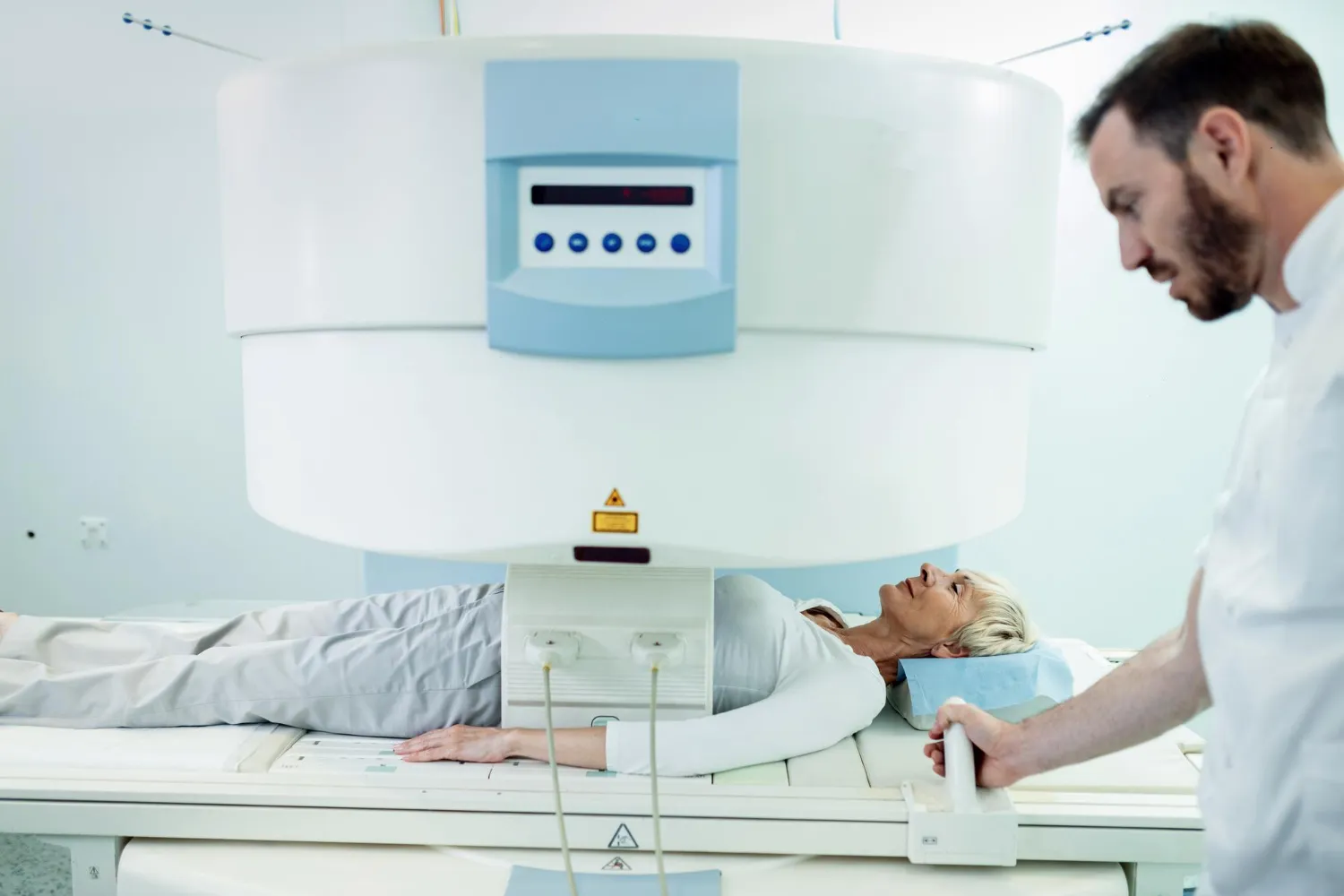
A Positron Emission Tomography (PET) scan is an advanced nuclear medicine imaging test that helps doctors evaluate the metabolic activity of tissues and organs.
Unlike CT or MRI scans, which primarily show anatomical structures, PET imaging reveals how cells function. By detecting changes in cellular activity, PET scans often identify disease before structural abnormalities become visible.
Most PET scans use a radiotracer called Fluorodeoxyglucose (FDG), a glucose-based compound labelled with a small amount of radioactive material. Because rapidly growing or highly active cells consume more glucose, areas with increased metabolic activity appear brighter on PET images.
This enables doctors to identify abnormal tissue with greater precision.
Why Do Doctors Recommend a PET Scan?
PET scans play a crucial role in diagnosing and monitoring several medical conditions.
They are commonly recommended for:
Cancer Diagnosis and Staging
- Whether cancer is present
- The extent of disease spread
- Response to chemotherapy
- Effectiveness of radiation therapy
- Detection of cancer recurrence
PET scans are frequently used in cancers involving the lungs, breast, colon, lymphoma, melanoma, head and neck, cervix, oesophagus, and several other organs.
Heart Disease
Cardiologists use PET imaging to evaluate blood flow to the heart muscle and determine whether damaged heart tissue remains viable after a heart attack.
Neurological Disorders
Neurologists may recommend PET scans to assess brain metabolism in conditions such as:
- Alzheimer's disease
- Epilepsy
- Parkinsonian disorders
- Certain types of dementia
How Does a PET Scan Work?
Before the scan begins, a small amount of radioactive tracer is injected into a vein.
After the injection, patients usually rest quietly for approximately 45 to 60 minutes while the tracer circulates throughout the body.
Cells absorb the tracer according to their metabolic activity.
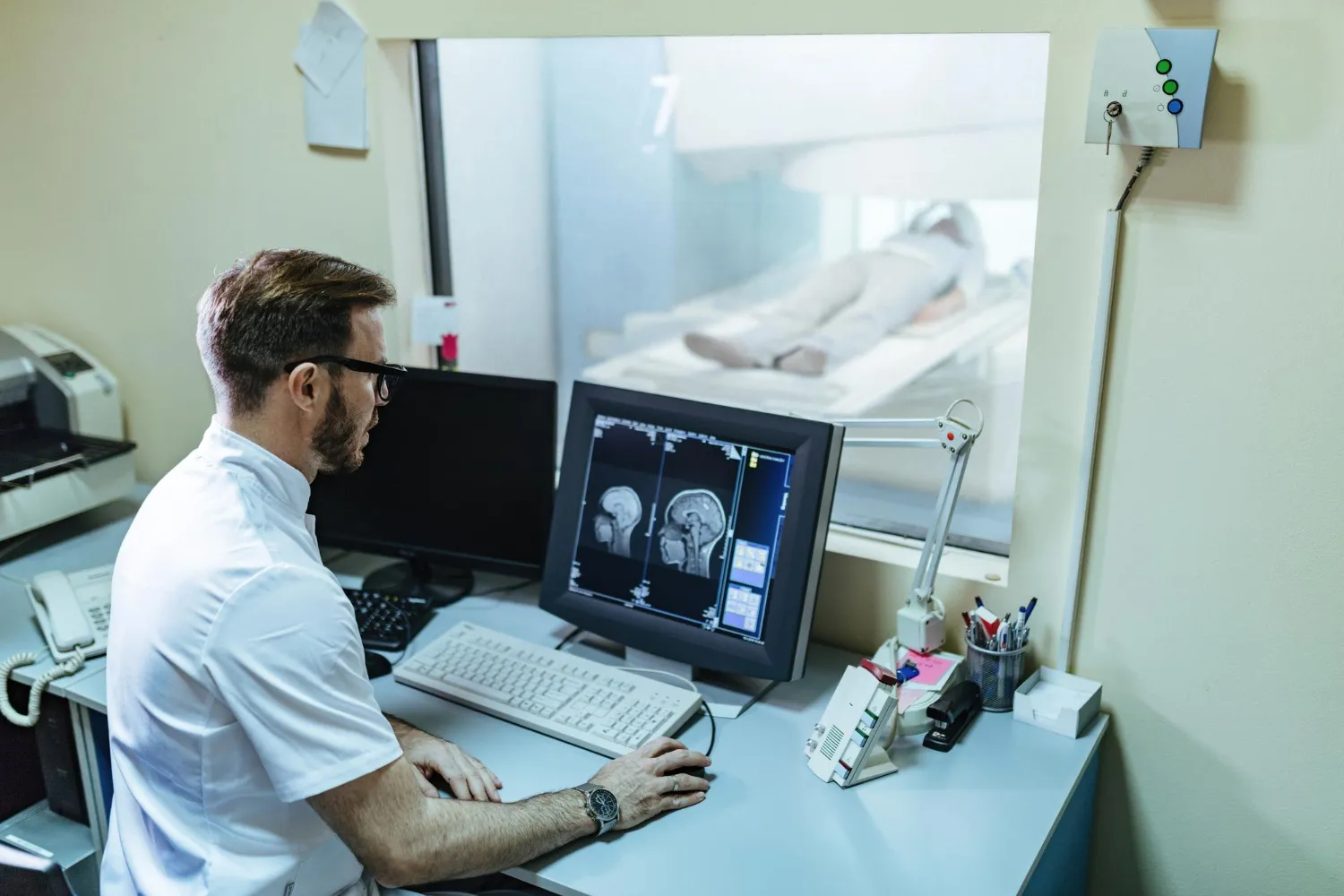
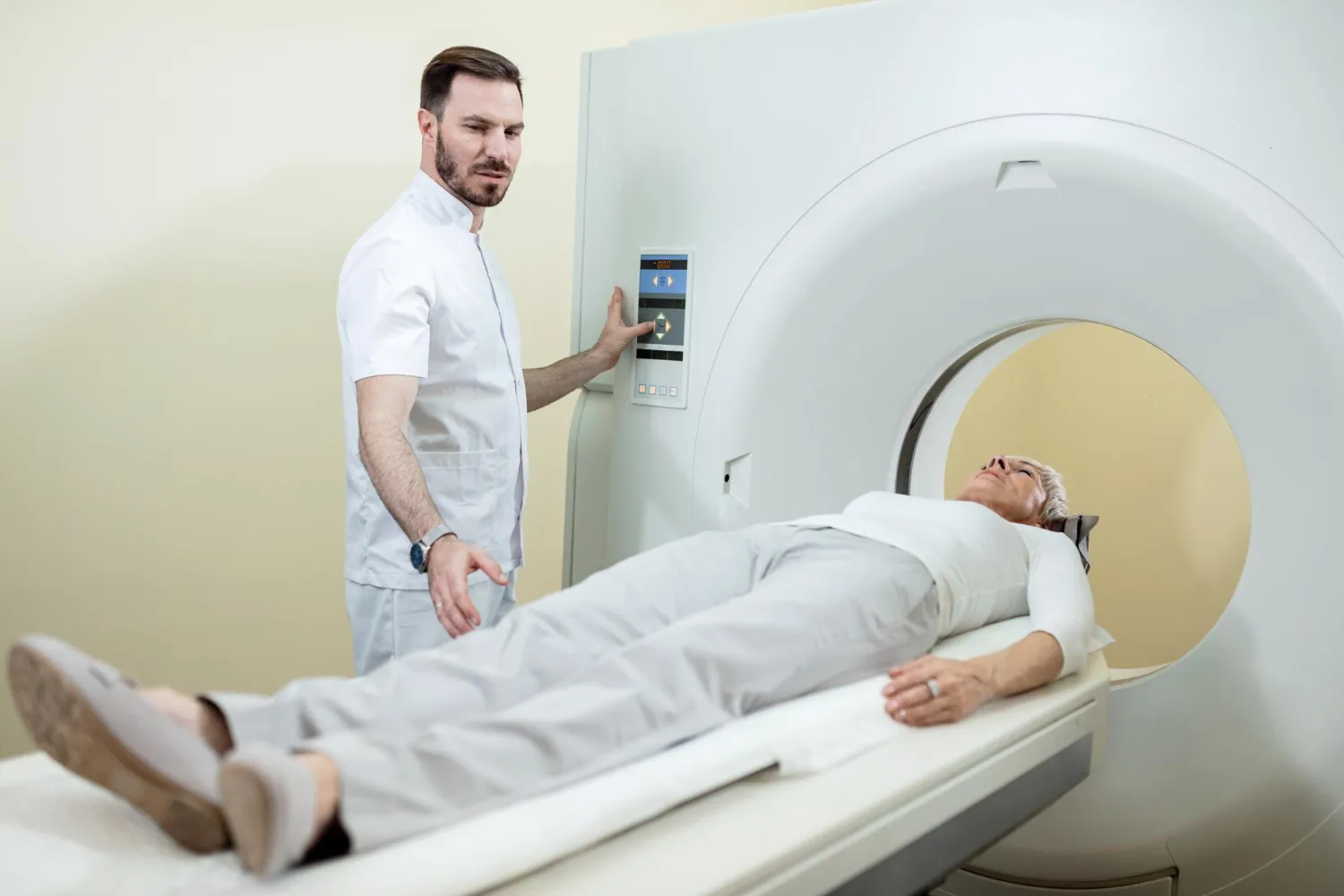
The PET scanner then detects tiny signals emitted by the tracer and creates detailed images showing areas of increased or decreased metabolic activity.
Many modern imaging centres perform PET-CT scans, combining PET's functional imaging with CT's detailed anatomical images for greater diagnostic accuracy.
Is the Radioactive Tracer Safe?
One of the most common concerns among patients is the use of radioactive material.
The amount of radiation used during a PET scan is carefully calculated and considered safe for most individuals when medically indicated.
- Is administered in very small quantities.
- Loses its radioactivity naturally over time.
- Is eliminated primarily through urine.
- Does not remain in the body permanently.
Healthcare professionals follow strict international radiation safety guidelines to ensure patient safety throughout the procedure.
Why Are After-Scan Precautions Important?
Although the radioactive tracer gradually disappears on its own, a small amount remains in your body for several hours after the examination.
Following the recommended precautions helps:
- Speed up tracer elimination.
- Reduce unnecessary radiation exposure to others.
- Improve patient comfort.
- Minimize the likelihood of repeat imaging.
- Support overall recovery after the procedure.
Most precautions are temporary and only need to be followed for the remainder of the day after the scan.
Immediate Precautions After a PET Scan
The majority of patients can return home shortly after the scan unless they have received sedation or additional medical treatment.
However, following these recommendations is important.
1. Drink Plenty of Water
Hydration is one of the most important recommendations after a PET scan.
Because the radioactive tracer leaves the body primarily through urine, drinking plenty of fluids helps accelerate its elimination.
Unless your doctor has advised fluid restriction due to kidney disease, heart failure, or another medical condition, aim to drink extra water throughout the day following your examination.
Frequent urination helps remove the tracer more efficiently.
2. Empty Your Bladder Frequently
Avoid holding urine for long periods after your PET scan.
Regularly emptying your bladder reduces the amount of radioactive tracer retained within the urinary system and lowers radiation exposure to the bladder wall.
Healthcare providers often encourage patients to use the restroom before leaving the imaging centre.
3. Resume Normal Eating Unless Advised Otherwise
Most patients can return to their normal diet immediately after the scan.
Eating balanced meals also supports hydration and overall recovery.
If your PET scan was performed for a specific medical condition or combined with another procedure requiring dietary restrictions, your doctor will provide individualized instructions.
4. Continue Your Regular Medications
In most situations, patients can resume their routine medications immediately after completing the scan.
However, if medication adjustments were made before the examination—particularly for diabetes or certain oncology treatments—follow your physician's instructions carefully.
Never discontinue prescribed medications without medical advice.
5. Monitor the Injection Site
The intravenous injection used to administer the tracer usually causes minimal discomfort.
Occasionally, patients may notice:
- Mild tenderness
- Slight bruising
- Temporary redness
These symptoms generally resolve without treatment.
Seek medical advice if you notice:
- Increasing pain
- Significant swelling
- Persistent redness
- Fever
- Fluid discharge from the injection site
Although uncommon, these symptoms could indicate irritation or infection requiring medical attention.
6. Rest If You Feel Tired
Most individuals feel completely normal after a PET scan.
However, some patients—particularly those undergoing cancer treatment or multiple medical investigations—may experience mild fatigue.
Listen to your body.
If you feel tired, allow yourself adequate rest before returning to demanding physical activities.
Normal daily activities can usually be resumed unless your doctor advises otherwise.
7. Driving After a PET Scan
A routine PET scan does not usually affect alertness or coordination.
Most patients are able to drive home safely after the procedure.
However, if sedation was administered or you received medications that cause drowsiness, you should avoid driving until your healthcare provider confirms it is safe.
Whenever sedation is planned, arranging transportation in advance is recommended.
8. Practice Good Hygiene
Although the radiation levels are very low, simple hygiene measures further reduce unnecessary exposure.
After using the toilet:
- Flush twice if advised by your imaging centre.
- Wash your hands thoroughly with soap and water.
- Clean any accidental urine spills promptly.
These precautions are particularly important during the first several hours after the scan.
9. Breastfeeding Mothers Should Seek Medical Advice
If you are breastfeeding, inform your nuclear medicine physician before and after your PET scan.
Depending on the type of radioactive tracer used, temporary interruption of breastfeeding may be recommended.
Your healthcare team will advise:
- Whether breastfeeding should be paused.
- How long expressed milk should be discarded.
- When breastfeeding can safely resume.
Never make these decisions without professional medical guidance.
10. Follow Any Individual Instructions Provided by Your Doctor
Some patients undergo PET scans as part of cancer treatment planning, cardiac evaluation, or neurological assessment.
Additional instructions may be provided based on your specific medical condition, medications, or planned treatments.
Always prioritize the advice given by your treating physician or nuclear medicine specialist, as individual circumstances may differ.
Radiation Safety and Additional Precautions After a PET Scan
Following a PET scan, the radioactive tracer gradually loses its activity and is naturally eliminated from the body, primarily through urine. Although the amount of radiation is low and considered safe for diagnostic purposes, following temporary radiation safety measures helps minimize unnecessary exposure to others, particularly individuals who are more sensitive to radiation.
These precautions are simple, short-term, and recommended only for the first few hours after your examination unless your nuclear medicine specialist advises otherwise.
Should You Avoid Close Contact with Others?
For most routine PET scans, patients can return to their normal daily activities. However, healthcare providers generally recommend limiting prolonged close contact with certain individuals during the first several hours after the scan.
These include:
- Pregnant women
- Infants
- Young children
The reason is not that the scan poses a significant danger, but because these groups are more sensitive to radiation than healthy adults.
As a precaution, avoid holding babies for extended periods or sitting in very close proximity to pregnant women for several hours after your scan. Your nuclear medicine physician will advise you if any additional restrictions are necessary based on the tracer used.
Can You Return to Work After a PET Scan?
In most cases, yes.
If your PET scan was performed as an outpatient procedure and you feel well, you can usually return to work on the same day.
However, consider postponing work if:
- You received sedation.
- You feel physically tired.
- You are undergoing chemotherapy or other intensive treatments.
- Your doctor has provided specific activity restrictions.
If your job involves close contact with infants, pregnant women, or radiation-sensitive environments, discuss your work responsibilities with your healthcare provider before returning.
Can You Exercise After a PET Scan?
Most patients can resume light daily activities after leaving the imaging centre.
However, strenuous physical exercise is generally best avoided for the remainder of the day if:
- You feel fatigued.
- You recently underwent cancer treatment.
- Your physician has advised additional rest.
Gentle walking is usually acceptable unless your healthcare team recommends otherwise.
Resuming your normal exercise routine the following day is generally safe for most individuals.
Can You Eat and Drink Normally?
Yes.
After the examination, most patients can return to their regular eating habits unless instructed otherwise.
A balanced diet combined with good hydration supports your body's natural elimination of the tracer.
Water remains the most important recommendation.
Although no specific foods are required, choosing nutritious meals rich in fruits, vegetables, whole grains, and lean proteins supports overall recovery and health.
Is Alcohol Safe After a PET Scan?
There is no universal restriction on alcohol following a PET scan itself.
However, alcohol may contribute to dehydration, which can slow the elimination of the radioactive tracer.
Patients are therefore generally advised to:
- Prioritise water intake after the scan.
- Delay alcohol consumption until they are well hydrated.
- Follow any additional restrictions related to their underlying medical condition or ongoing treatment.
Patients undergoing cancer treatment should always consult their treating oncologist regarding alcohol consumption.
Should You Smoke After a PET Scan?
Smoking does not directly interfere with tracer elimination after the examination.
However, smoking remains a significant risk factor for:
- Lung cancer
- Heart disease
- Stroke
- Peripheral vascular disease
- Chronic lung disorders
A PET scan often forms part of the evaluation for conditions associated with smoking.
For individuals who smoke, the scan may serve as an opportunity to discuss smoking cessation with their healthcare provider and reduce future health risks.
Are There Any Side Effects After a PET Scan?
PET scans are considered very safe, and most people experience no side effects.
The radioactive tracer used for imaging rarely causes allergic reactions.
Some patients may notice:
- Mild bruising at the injection site
- Temporary discomfort where the intravenous line was inserted
- Mild fatigue following the procedure
- Anxiety related to the test itself rather than the tracer
These symptoms usually resolve without treatment.
Serious complications are extremely uncommon.
When Should You Contact Your Doctor?
Although complications are rare, seek medical advice if you experience:
- Persistent swelling around the injection site
- Increasing redness or warmth
- Fever
- Severe pain
- Difficulty breathing
- Rash or signs of an allergic reaction
- Persistent dizziness or fainting
Prompt medical evaluation helps identify uncommon complications early and ensures appropriate treatment when required.
Common Myths About PET Scan Precautions
Myth: I remain radioactive for several days.
Fact: The radioactive tracer gradually loses its activity and is eliminated naturally from the body, usually within hours. Most precautions are temporary.
Myth: I should completely avoid my family after the scan.
Fact: Routine interaction with healthy adults is generally safe. Only temporary precautions around pregnant women and young children may be recommended.
Myth: Drinking water is optional.
Fact: Good hydration helps eliminate the tracer more efficiently and is one of the most important after-scan recommendations.
Myth: PET scans are painful.
Fact: Apart from the small intravenous injection used to administer the tracer, the scan itself is painless.
Myth: Every PET scan exposes patients to dangerous levels of radiation.
Fact: PET imaging uses carefully controlled radiation doses that are considered safe when medically indicated. The benefits of accurate diagnosis usually far outweigh the minimal radiation risk.
Why Choose Truscan Diagnostics for PET Imaging?
Advanced imaging plays a vital role in modern healthcare, and accurate interpretation is just as important as image quality. At Truscan Diagnostics, we combine advanced PET-CT technology with experienced nuclear medicine specialists and radiologists to provide reliable diagnostic information that supports confident clinical decision-making.
Our commitment extends beyond performing the scan. From patient preparation and radiation safety to detailed reporting and post-scan guidance, our team focuses on delivering a safe, comfortable, and patient-centred diagnostic experience.
Every examination follows stringent quality standards to ensure precision, timely reporting, and compassionate care throughout your visit.
Conclusion
A PET scan is an advanced diagnostic tool that provides valuable information about the function of organs and tissues, enabling early diagnosis, accurate disease staging, treatment planning, and monitoring of several serious medical conditions.
Although the procedure is safe, following the recommended precautions after the scan—such as staying well hydrated, emptying your bladder frequently, practising good hygiene, and temporarily limiting prolonged close contact with pregnant women and young children—helps promote comfort and supports the safe elimination of the radioactive tracer.
If you have any concerns after your examination or experience unusual symptoms, consult your healthcare provider promptly rather than relying on assumptions or online information.
At Truscan Diagnostics, we are committed to delivering advanced diagnostic imaging with precision, safety, and patient-focused care. Our experienced team is dedicated to guiding you through every step of your PET imaging journey—from preparation to reporting—ensuring you receive accurate results and clear guidance for the next stage of your healthcare.
Book your PET scan at Truscan Diagnostics and experience advanced imaging backed by clinical expertise and compassionate care.
Medical Disclaimer
This article is intended for educational purposes only and should not replace professional medical advice, diagnosis, or treatment. Always follow the recommendations provided by your treating physician or nuclear medicine specialist regarding your individual medical condition and post-scan care.
Frequently Asked Questions
How long does the radioactive tracer remain in my body?
Most commonly used PET tracers lose their radioactivity quickly and are naturally eliminated through urine over the next several hours. Drinking plenty of water helps speed up this process.
Can I travel after a PET scan?
Yes. Most patients can travel after the examination. If you plan to fly shortly after the scan, ask your imaging centre whether you should carry documentation, as highly sensitive airport security systems may occasionally detect residual radioactivity for a short period.
Can I take a shower after the scan?
Yes. Normal bathing and personal hygiene can be resumed immediately unless your healthcare provider gives different instructions.
Can children accompany me home?
Yes. However, prolonged close physical contact with infants and very young children may be limited for several hours as a precaution. Your nuclear medicine physician will provide specific advice.
Will the PET scan affect my medications?
Most medications can be continued normally after the examination. If your medicines were adjusted before the scan—particularly diabetes medications—follow your doctor's instructions carefully.
How soon will I receive my PET scan report?
Reporting times vary depending on the complexity of the examination and the imaging centre. Your doctor will review the findings with you and explain their clinical significance.