

Diabetes in Winter: Why Blood Sugar Monitoring Matters More in December
Winter brings changes in weather, food habits, physical activity and everyday routines. For people living with diabetes, these seasonal changes can make blood sugar management more challenging. December, in particular, is often associated with family gatherings, festive meals, sweets, travel and changes in daily schedules.
Although cold weather does not affect everyone with diabetes in the same way, it can influence blood glucose levels through several factors. Reduced physical activity, seasonal infections, changes in eating patterns and physical stress associated with cold temperatures may contribute to fluctuations in blood sugar.
This is why diabetes in winter deserves special attention. Consistent blood sugar monitoring, balanced nutrition, suitable physical activity and timely medical advice can help individuals manage their condition throughout the season.
Understanding how winter affects blood sugar and knowing which diagnostic tests may be recommended can help people make informed decisions about their health.
1. Can Winter Affect Blood Sugar Levels?
Yes. Seasonal changes may influence blood glucose levels, although the effect differs between individuals.
Cold temperatures can create physical stress. The body may respond by releasing stress hormones such as cortisol and adrenaline. These hormones can influence insulin activity and stimulate the release of glucose from the liver.
As a result, some people may experience higher blood sugar readings during cold weather.
However, temperature is only one factor. Other lifestyle and health-related changes may have a greater influence.
Reduced physical activity
During colder days, people may spend more time indoors and reduce activities such as walking, cycling and outdoor exercise.
Reduced physical activity can affect how the body uses glucose. Muscles use glucose for energy, and regular exercise helps improve insulin sensitivity.
When daily movement decreases, some individuals may notice higher glucose readings.
Changes in food habits
Winter and festive celebrations often bring sweets, fried snacks, rich meals and irregular eating schedules.
Consuming larger portions of carbohydrate-rich foods may increase blood glucose levels, particularly when meal planning and medication routines are disrupted.
Seasonal infections
Respiratory infections, influenza and other illnesses can affect diabetes management.
When the body fights an infection, stress hormones may increase glucose production and contribute to higher blood sugar levels.
Changes in daily routines
Travel, late-night celebrations, altered sleep patterns and missed meals can interfere with diabetes management.
Maintaining consistency is particularly important for individuals who use insulin or medications that can cause low blood sugar.
2. Why Is Blood Sugar Monitoring Important During Winter?
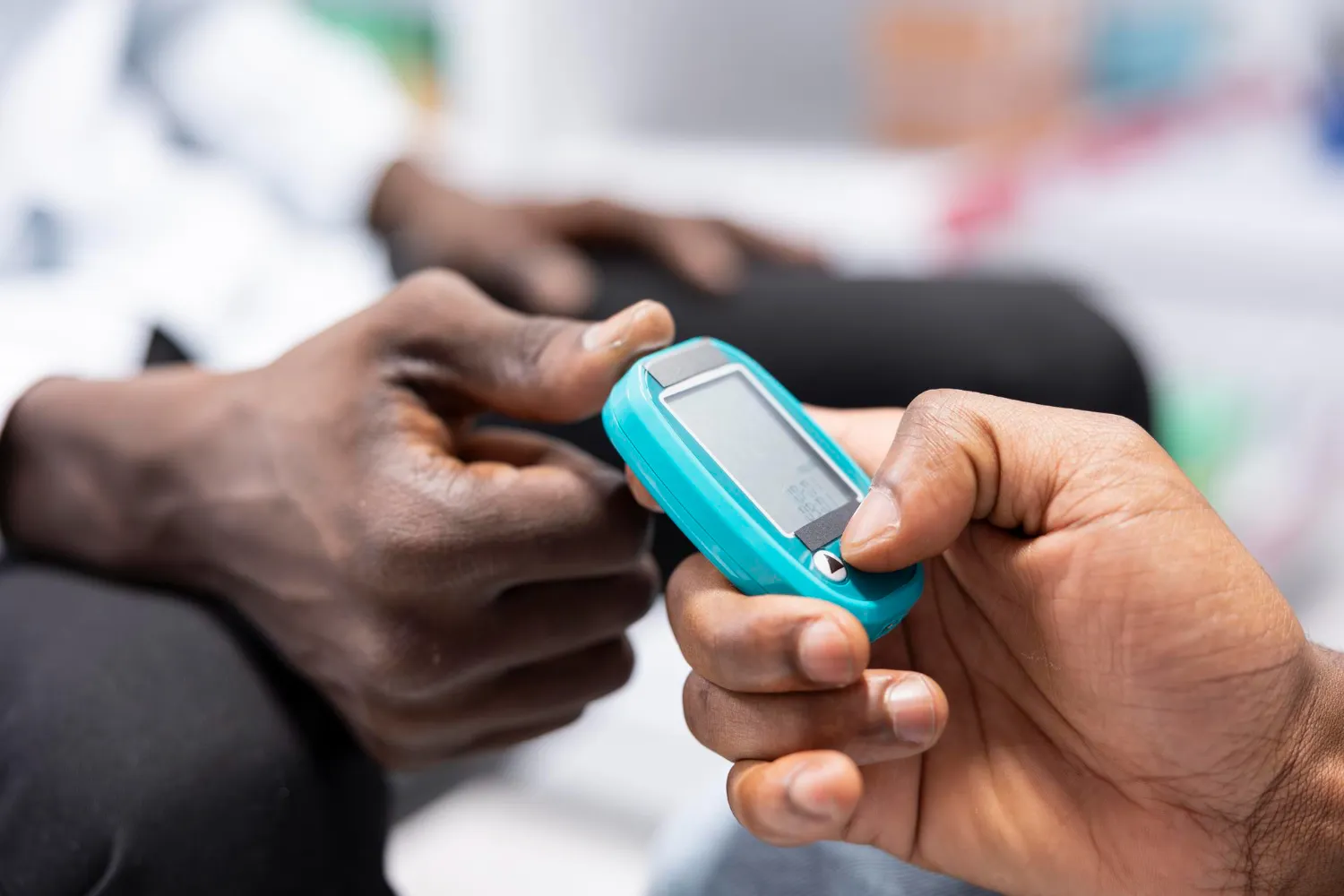
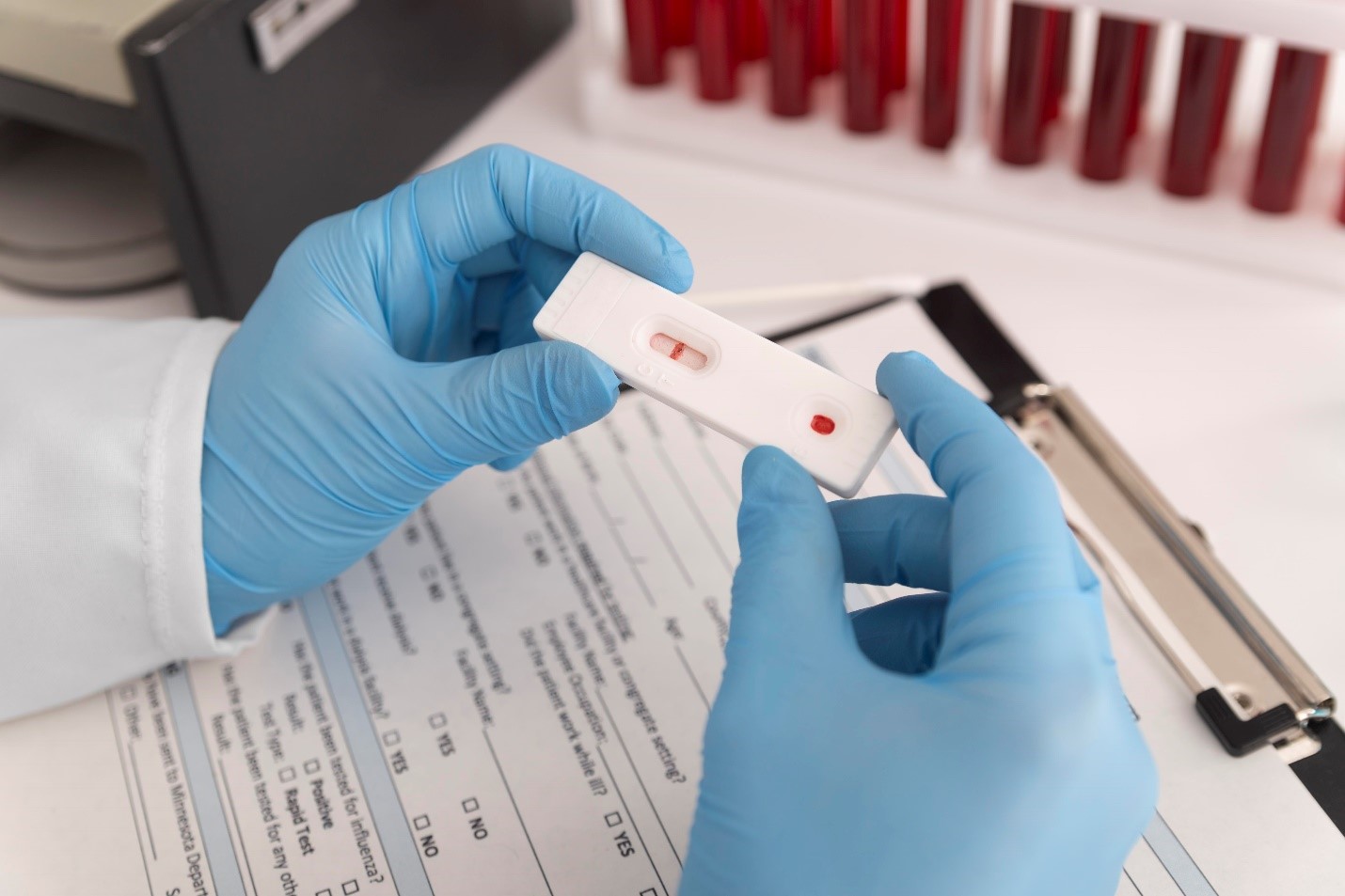
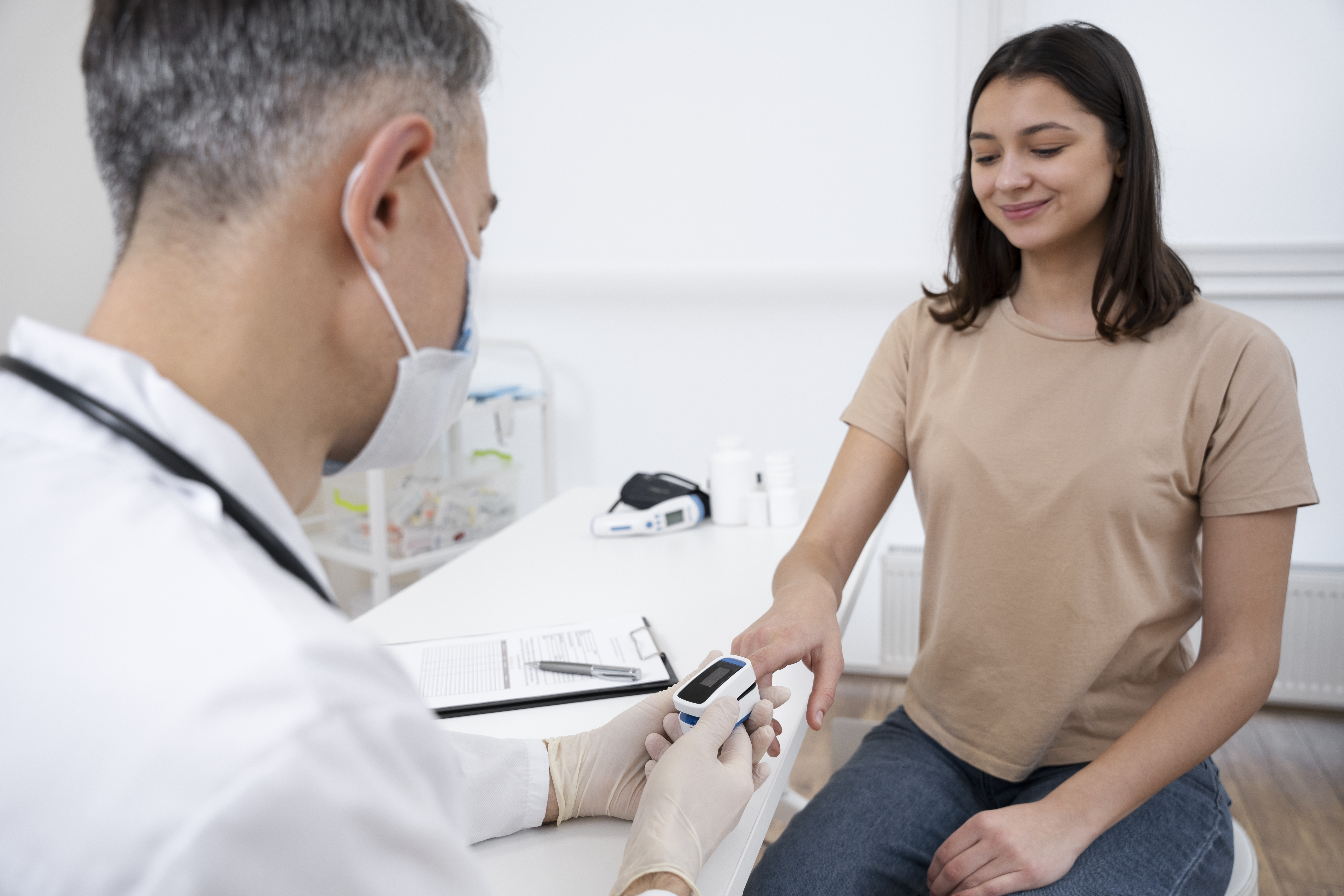
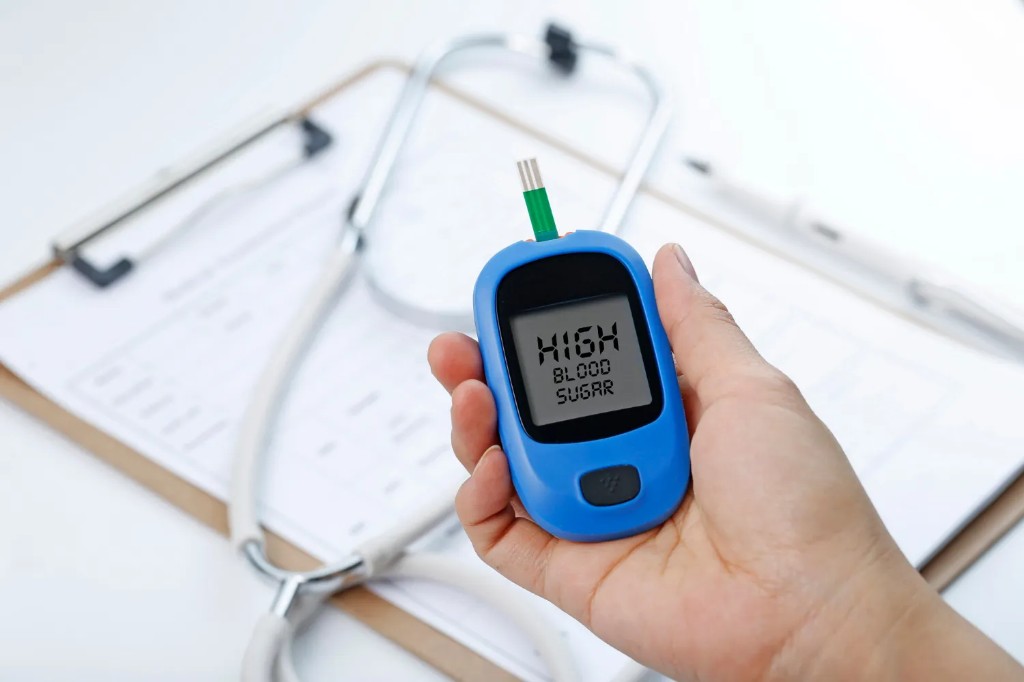
Blood sugar monitoring helps individuals understand how their glucose levels respond to food, exercise, medication, stress and illness.
During winter, regular monitoring can help identify unexpected changes and provide useful information for medical decision-making.
Identify changes in glucose levels
A single reading provides information about blood sugar at a particular moment. Repeated readings, when taken according to a prescribed schedule, can reveal patterns.
For example, a person may notice that glucose levels are higher after festive meals or lower following increased physical activity.
These observations can be discussed with a doctor.
Recognise high and low blood sugar
Hyperglycaemia refers to higher-than-target blood glucose levels, while hypoglycaemia refers to low blood glucose.
Both can require attention.
Common symptoms of high blood sugar include increased thirst, frequent urination, tiredness and blurred vision.
Symptoms of low blood sugar may include sweating, trembling, hunger, dizziness, palpitations and confusion.
People using insulin or certain glucose-lowering medications should understand how to recognise and respond to hypoglycaemia.
Monitor glucose during illness
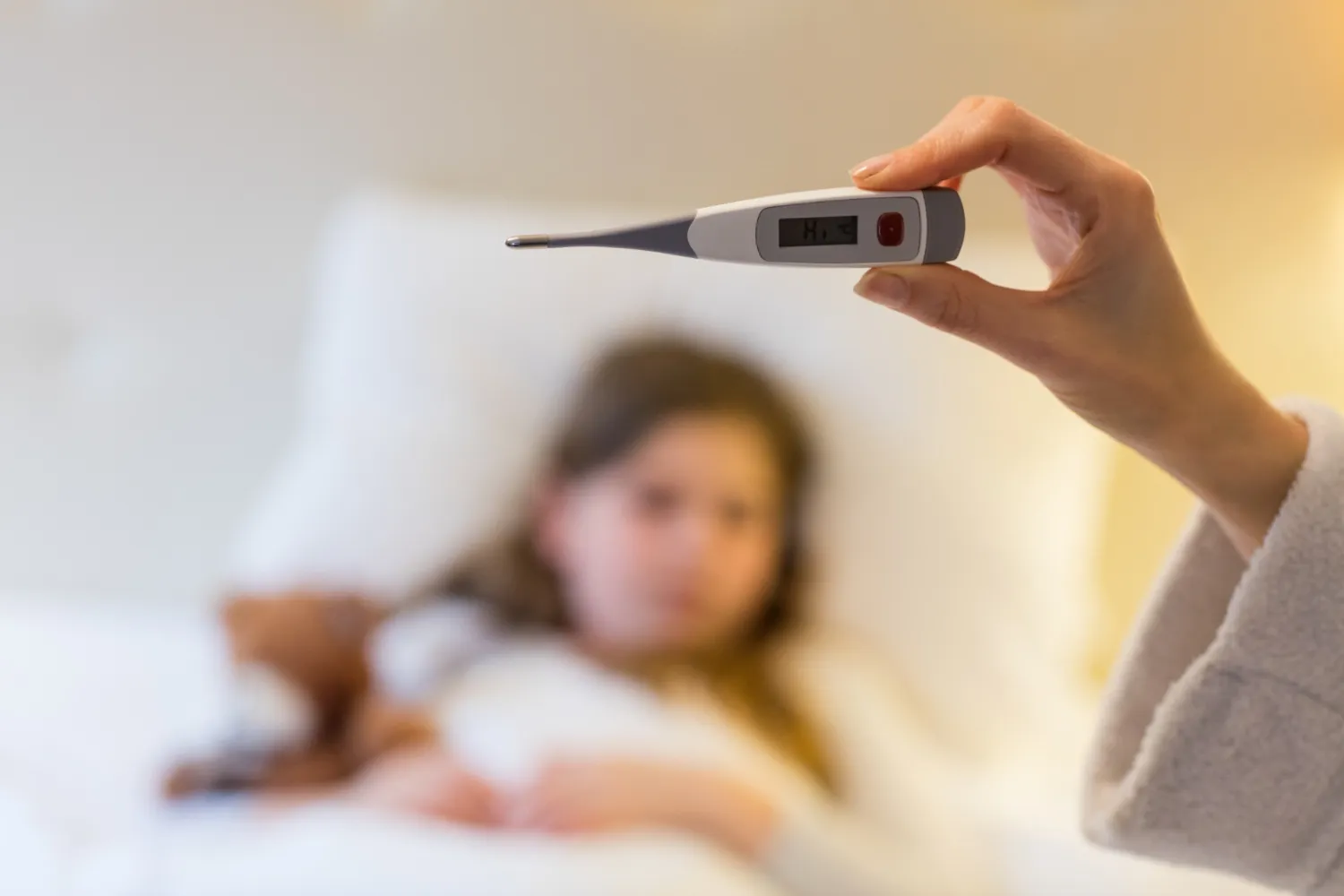
Fever, infection, vomiting and other illnesses may cause glucose levels to change unexpectedly.
People with diabetes should follow their healthcare professional’s sick-day instructions, including advice on monitoring, hydration and medication.
Severe illness, persistent vomiting, difficulty breathing or confusion requires urgent medical assessment.
3. How Often Should You Check Blood Sugar in Winter?
There is no universal blood sugar monitoring schedule for everyone.
The frequency depends on:
- Whether the individual has Type 1 or Type 2 diabetes.
- The medications being used.
- Whether insulin is part of the treatment plan.
- Previous episodes of hypoglycaemia.
- Individual glucose targets.
- Presence of infection or other medical conditions.
Some individuals may need fasting and post-meal monitoring, while others may benefit from structured testing or continuous glucose monitoring.
Your doctor will recommend the appropriate frequency.
Do not increase or reduce medication doses independently based on isolated glucose readings.
4. Seven Practical Winter Diabetes Care Tips
1. Maintain consistent meal timings
Skipping meals or eating at irregular intervals may affect glucose management.
Follow a balanced meal schedule that suits your medication and treatment plan.
2. Stay physically active
If outdoor exercise becomes uncomfortable, choose suitable indoor activities such as walking inside the house, stretching or doctor-approved exercise routines.
Regular physical activity can improve insulin sensitivity and support overall health.
3. Monitor blood glucose regularly
Follow the testing schedule recommended by your healthcare professional.
Maintain a record of readings, particularly if you notice changes in your routine or experience illness.
4. Choose balanced winter meals
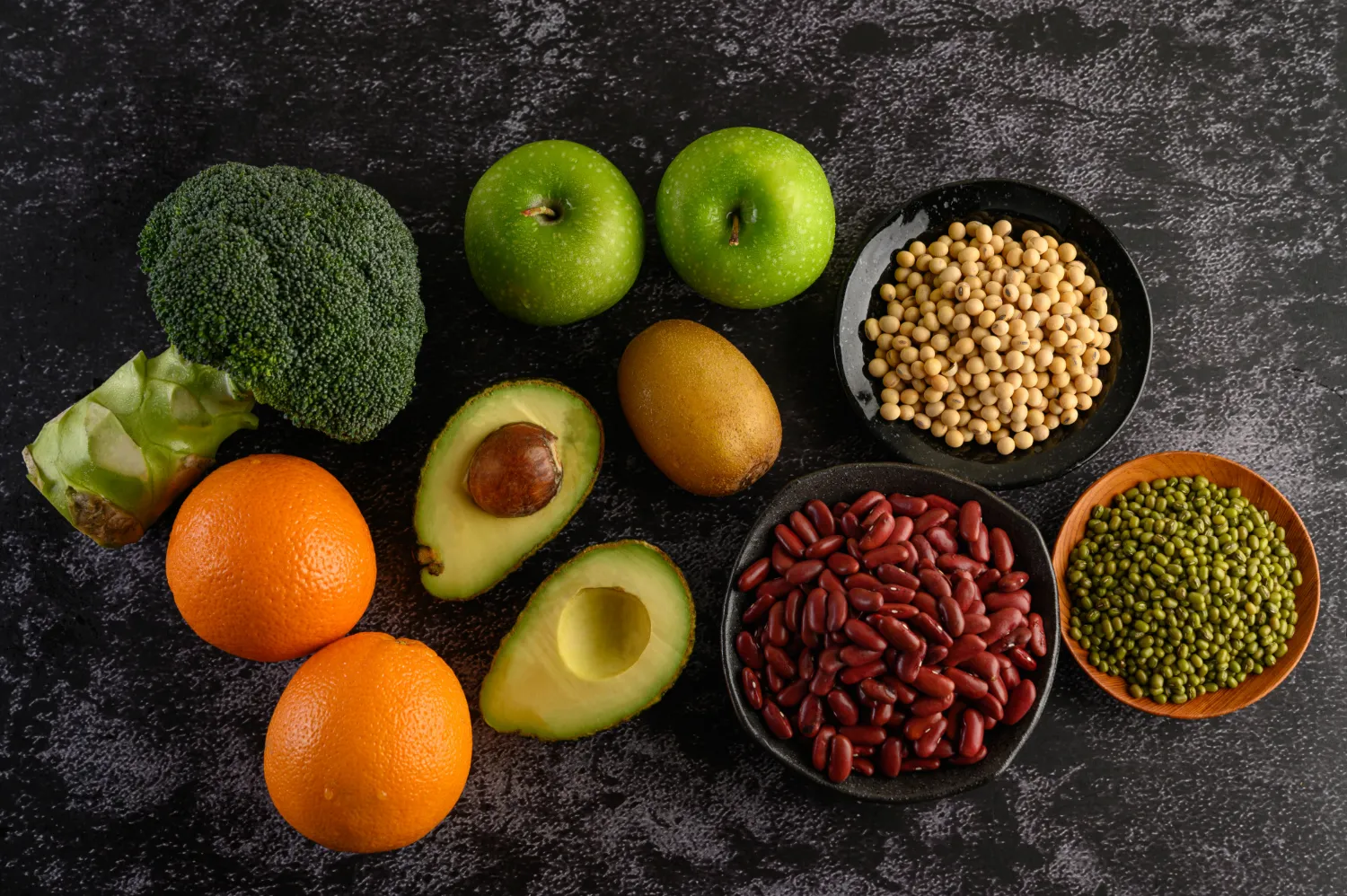
Include vegetables, pulses, whole grains and appropriate protein sources.
Pay attention to carbohydrate portions, especially during festive celebrations.
There is no need to completely avoid every favourite food. The goal is to maintain a balanced dietary pattern based on individual requirements. A practical starting point is this guide to foods to eat and avoid with diabetes.
5. Stay hydrated
People may feel less thirsty during colder weather and unintentionally drink less water.
Maintain adequate fluid intake unless your doctor has advised fluid restriction because of another medical condition.
6. Protect your feet and skin
Cold weather and indoor heating can contribute to dry skin.
People with diabetes should inspect their feet regularly for cracks, blisters, redness, swelling or injuries.
Avoid exposing feet to direct heat from hot-water bottles or heating pads, especially if sensation is reduced.
7. Take precautions against seasonal infections
Follow appropriate vaccination advice, maintain hand hygiene and seek medical attention when symptoms suggest an infection.
Illness can affect glucose levels even when food intake decreases.
5. Which Diagnostic Tests Help Monitor Diabetes?
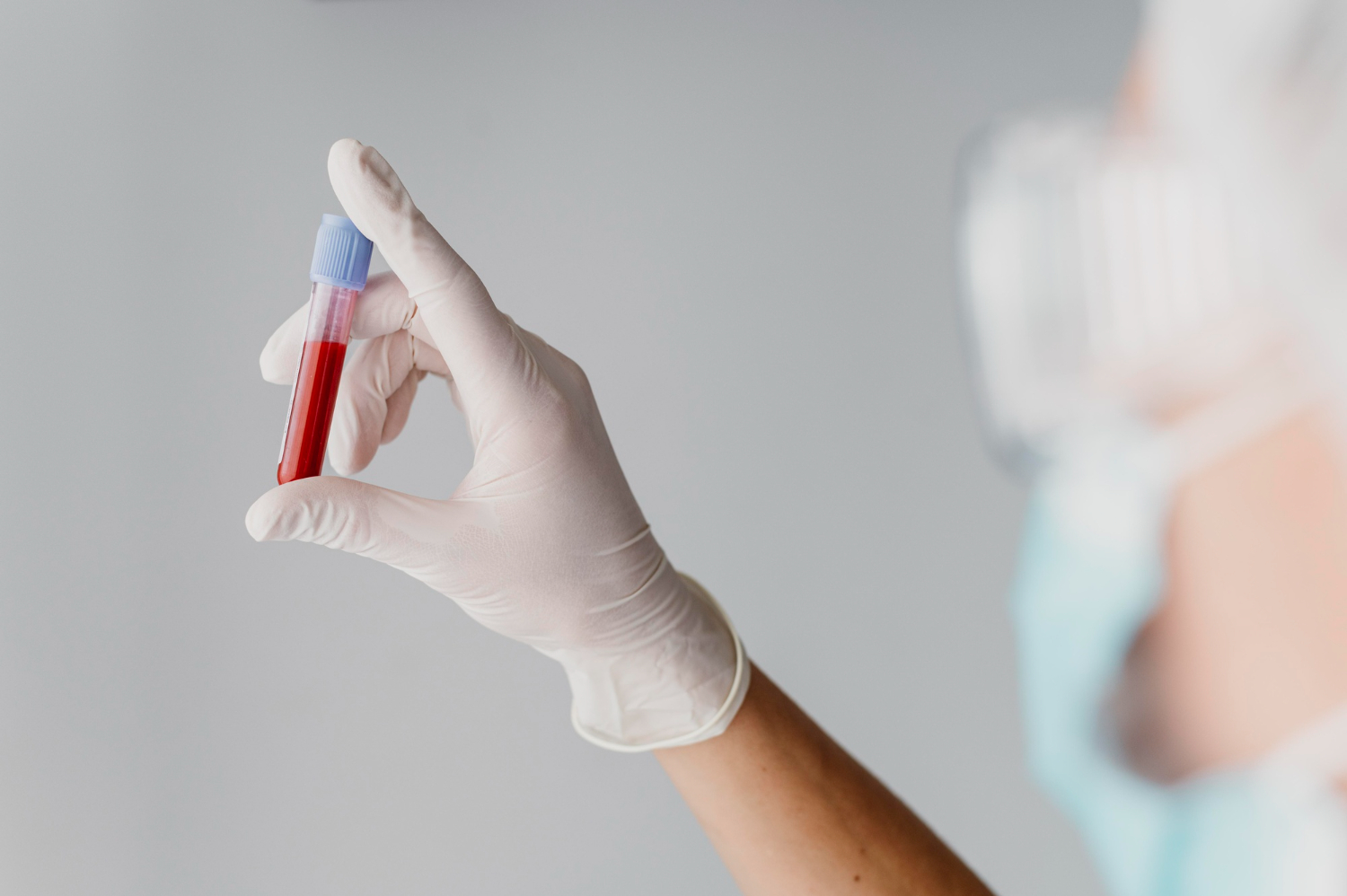
Blood sugar monitoring is only one part of diabetes care. Doctors may recommend additional investigations to evaluate longer-term glucose control and associated health risks.
Fasting Blood Sugar (FBS)
Fasting blood sugar measures glucose after an overnight fast, according to the laboratory’s instructions.
It provides information about glucose levels at the time of testing and may be used for diagnosis or ongoing monitoring.
Postprandial Blood Sugar (PPBS)
This test measures blood glucose after a meal at a specified interval.
It helps evaluate how the body responds to food.
Glycated Haemoglobin (HbA1c)
The HbA1c test measures the percentage of haemoglobin carrying glucose.
It reflects average blood glucose over approximately the previous two to three months.
It is an important investigation for assessing longer-term diabetes management.
Kidney Function Tests
Diabetes can affect kidney health over time.
Doctors may recommend blood tests such as serum creatinine and estimated glomerular filtration rate (eGFR), along with urine albumin assessment, to evaluate kidney function.
Lipid Profile
A lipid profile measures cholesterol and triglyceride levels.
It helps assess cardiovascular risk, which is important in people living with diabetes.
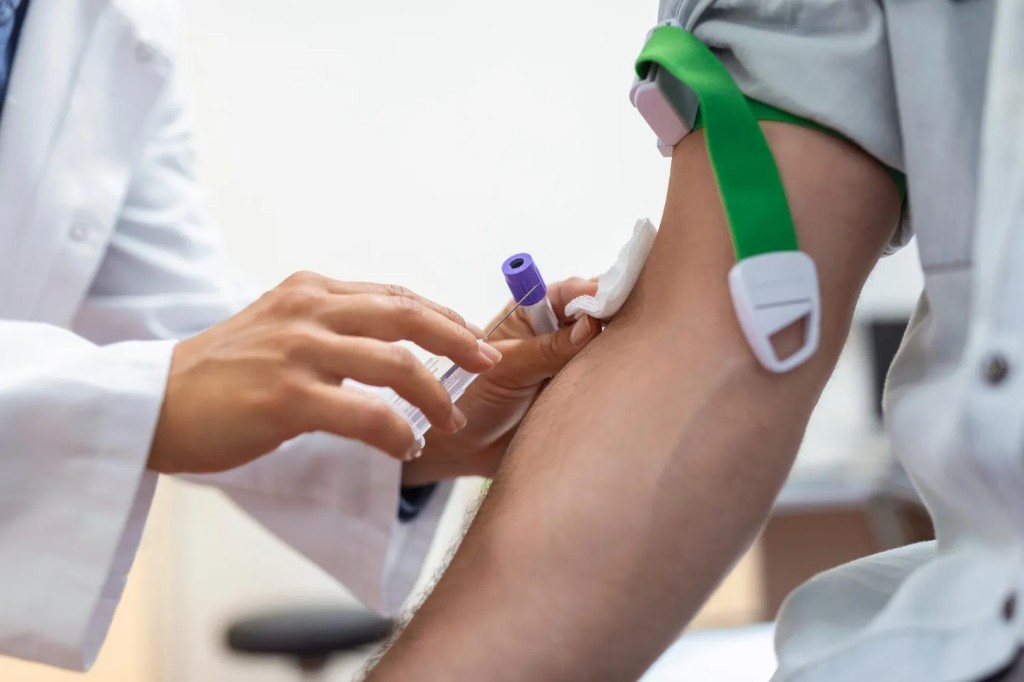
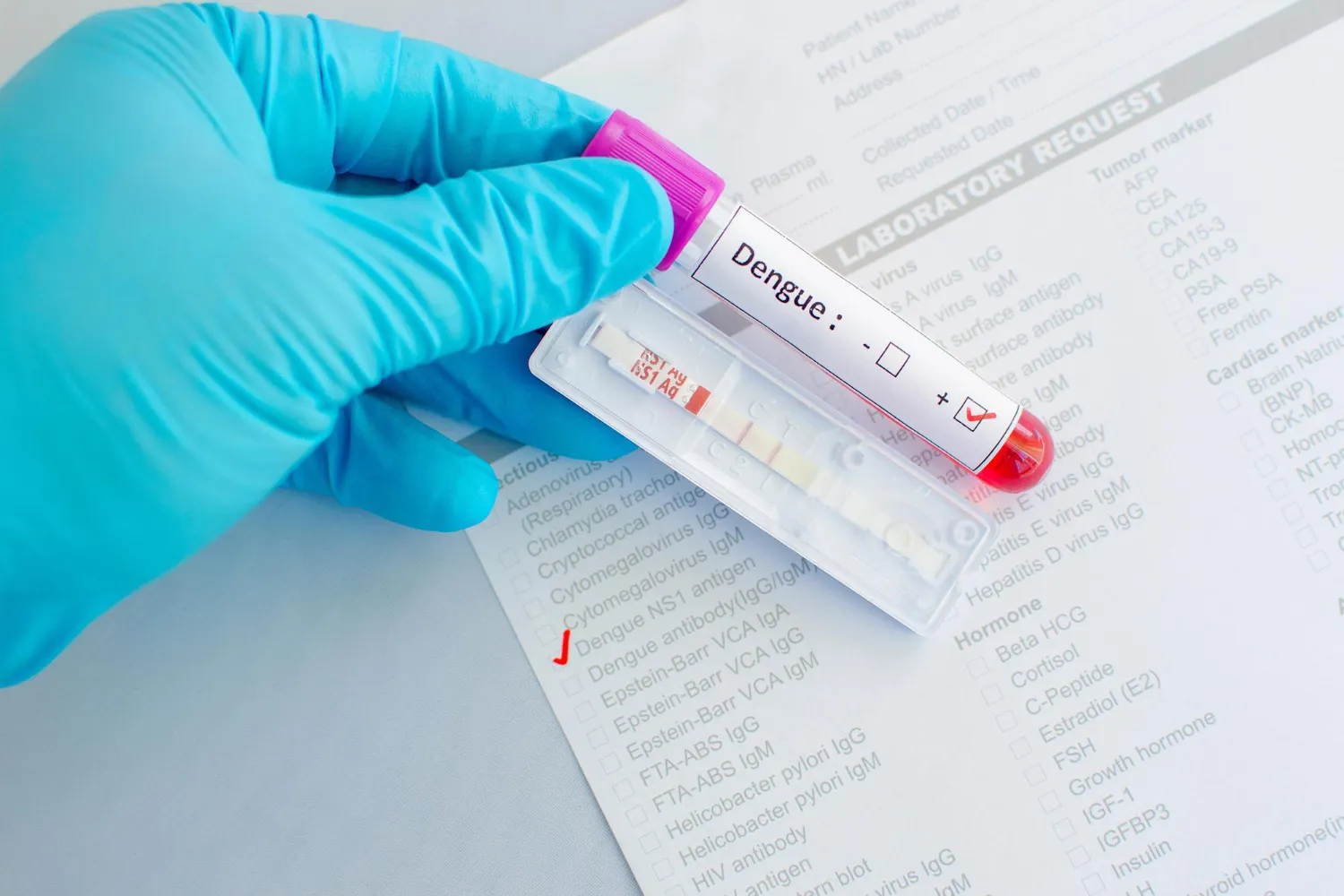
The frequency of these investigations depends on individual health status and medical recommendations. TruScan Diagnostics offers pathology testing and the diabetes health package when these tests are advised by a doctor.
6. What Is the Difference Between Daily Blood Sugar Testing and HbA1c?
These tests provide different types of information.
| Parameter | Daily Blood Glucose Test | HbA1c |
|---|---|---|
| Measures | Glucose at a particular time | Average glucose over approximately 2–3 months |
| Sample | Finger-prick blood or approved monitoring device | Laboratory blood sample |
| Purpose | Day-to-day glucose management | Longer-term glucose assessment |
| Frequency | Depends on treatment | Periodically as advised |
| Influenced by meals | Yes | Not directly affected by the last meal |
HbA1c results can be affected by certain conditions, including some forms of anaemia and altered red blood cell turnover. Doctors may consider these factors when interpreting the result.
7. When Should You Consult a Doctor?
People with diabetes should seek medical advice if they experience:
- Repeated glucose readings outside their individual target range.
- Unusual thirst or frequent urination.
- Persistent fatigue.
- Repeated low blood sugar episodes.
- Fever or infection.
- Vomiting or inability to maintain fluid intake.
- New foot wounds or signs of infection.
Seek urgent care for severe hypoglycaemia, confusion, loss of consciousness, difficulty breathing or other serious symptoms.
Conclusion
Managing diabetes in winter is primarily about maintaining consistency. Changes in food habits, physical activity, seasonal infections and everyday routines can influence blood sugar levels.
Regular monitoring, balanced nutrition, appropriate exercise and timely medical guidance can help people maintain their diabetes management plan throughout December.
Understanding the role of diagnostic investigations such as FBS, PPBS, HbA1c, kidney function tests and lipid profiles can also support informed healthcare decisions.
If you are living with diabetes, consult your healthcare professional about the right monitoring schedule and investigations for your needs.
TruScan Diagnostics – JP Nagar, Bengaluru
For information about available blood tests and diagnostic services, contact TruScan Diagnostics.
- JP Nagar 7th Phase: Manvi Arcade, WGHCS Layout, behind Ever Fine Supermarket, JP Nagar 7th Phase, Bengaluru 560078
- JP Nagar 2nd Phase: 213, 9th Cross Rd, KSRTC Layout, JP Nagar 2nd Phase, Bengaluru 560078
- Phone: +91 8956 600 600 (WhatsApp available)
- Website: truscan.in
- Instagram: @truscandiagnosticsofficial
- Facebook: facebook.com/truscandiagno
- Open 24 Hours
Medical disclaimer: This article is for general educational purposes only. It does not replace medical consultation, diagnosis or treatment. Always follow your healthcare professional’s advice.
Frequently Asked Questions
Does cold weather increase blood sugar in diabetic patients?
Cold weather may contribute to changes in glucose levels through physical stress, hormonal responses, reduced activity and lifestyle changes. The effect varies between individuals.
What is the best time to check blood sugar in winter?
There is no winter-specific testing time. Follow your prescribed schedule, which may include fasting, before-meal or post-meal readings.
Is HbA1c testing necessary during winter?
HbA1c is not specifically required because of winter. It is recommended periodically according to individual diabetes management needs.
Which winter foods are suitable for diabetic patients?
Vegetables, pulses, whole grains and balanced meals with adequate protein and fibre can be part of a diabetes-friendly eating plan. Portion size and individual dietary requirements are important.
Can fever increase blood sugar levels?
Yes. Infections can trigger stress responses that influence blood glucose. People with diabetes should follow their sick-day management instructions.
Should people with diabetes stop exercising during winter?
Not necessarily. Suitable indoor or outdoor exercise can continue, depending on health, weather and individual ability.
Can cold weather affect insulin storage?
Yes. Insulin should be stored according to the manufacturer's instructions. It should not be allowed to freeze, as freezing can damage it.
How often should people with diabetes undergo HbA1c testing?
The frequency depends on glucose control, treatment changes and individual clinical circumstances. Your doctor will determine the appropriate interval.