

6 Warning Signs Your Winter Fever Needs a Blood Test
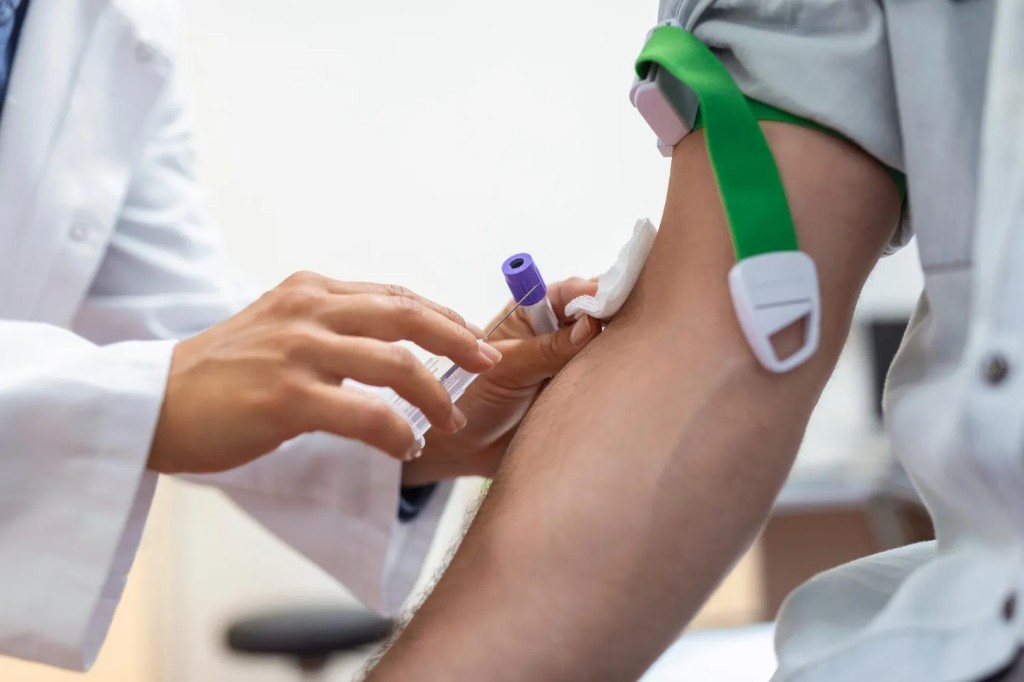
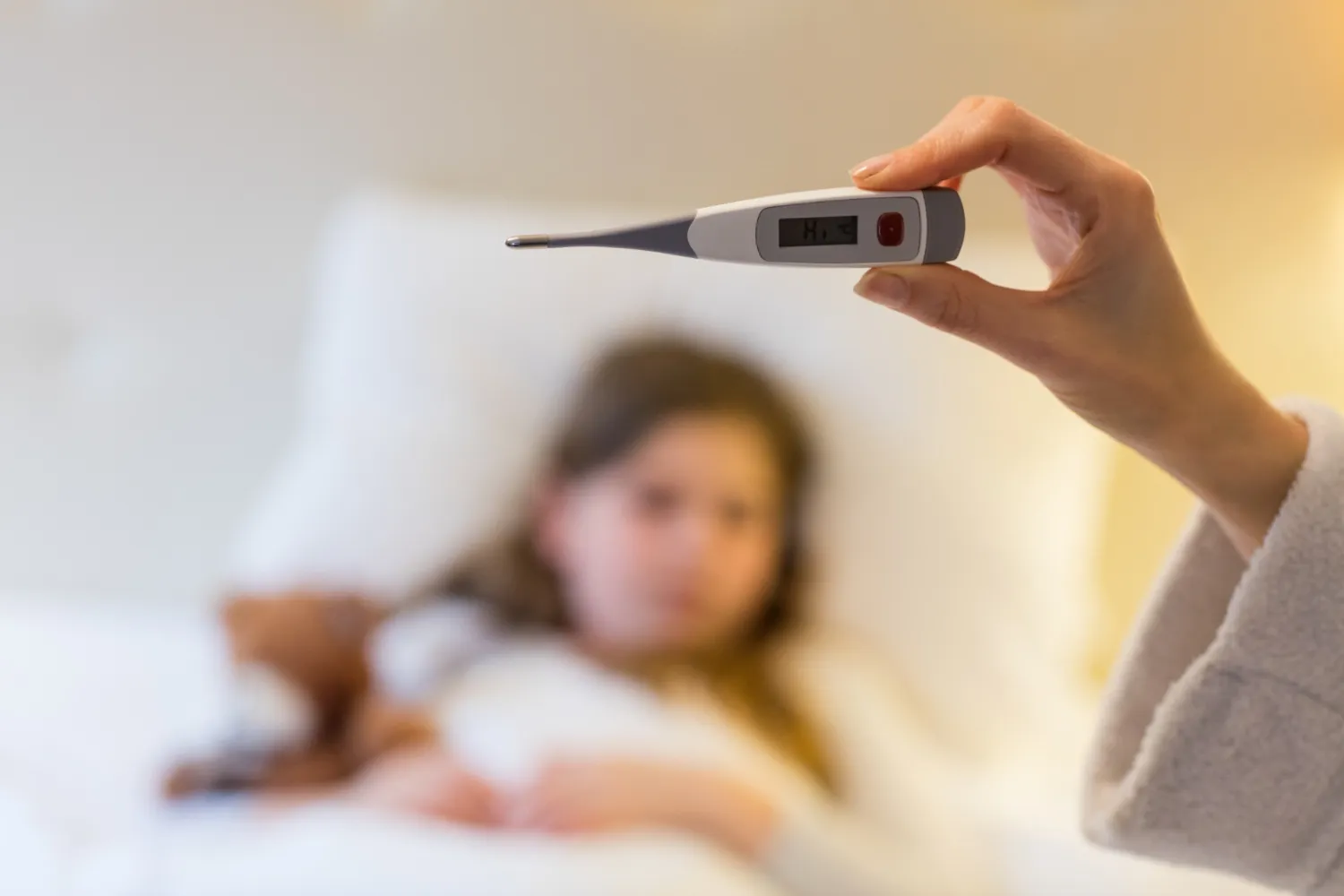
Fever is one of the most common symptoms of infection. During seasonal changes and winter months, respiratory infections and other illnesses may cause fever, chills, headaches, body aches and general weakness.
In many cases, fever improves with appropriate rest and supportive care. However, persistent or worsening fever may indicate an infection or another underlying medical condition that needs further evaluation.
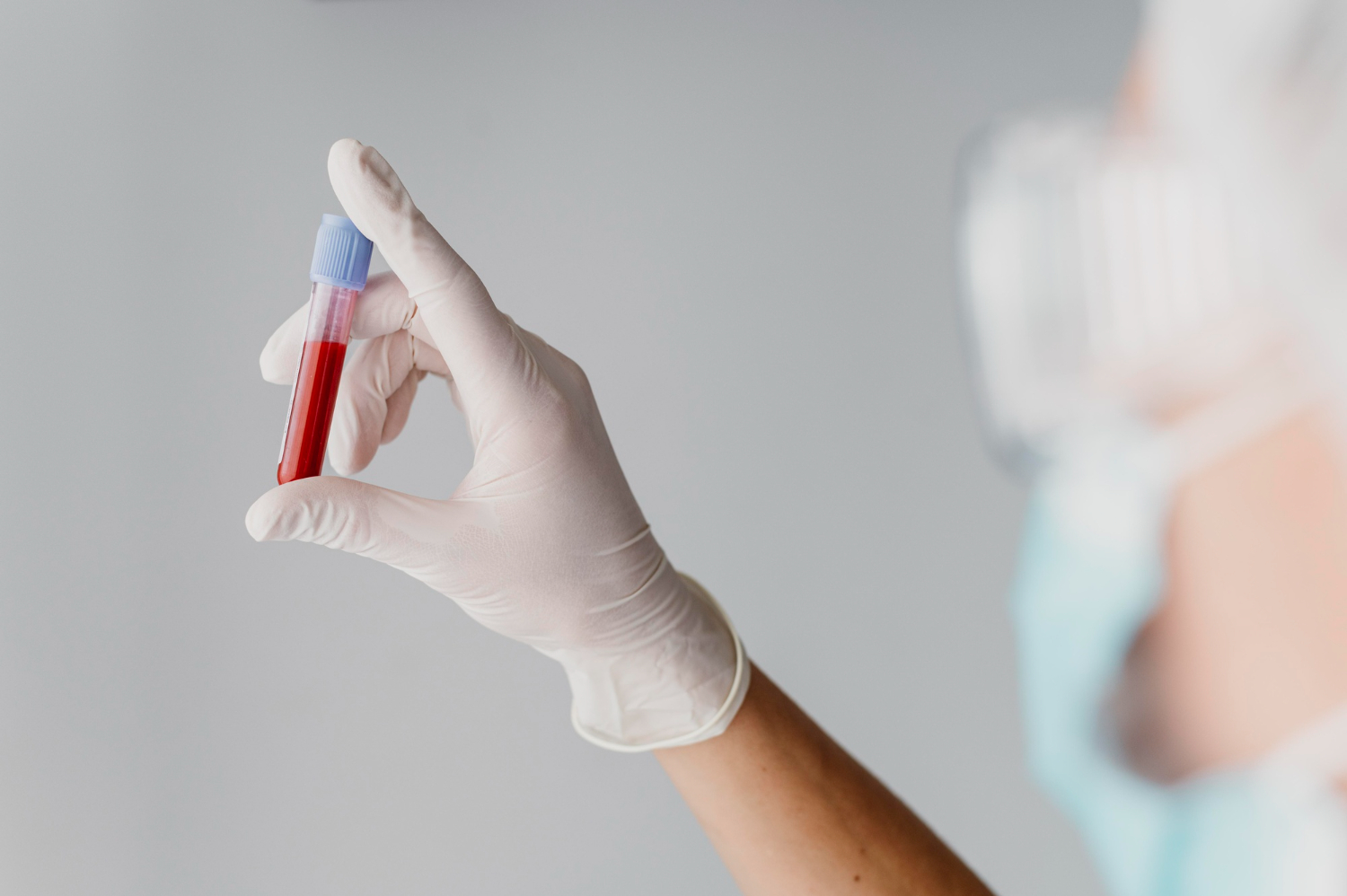
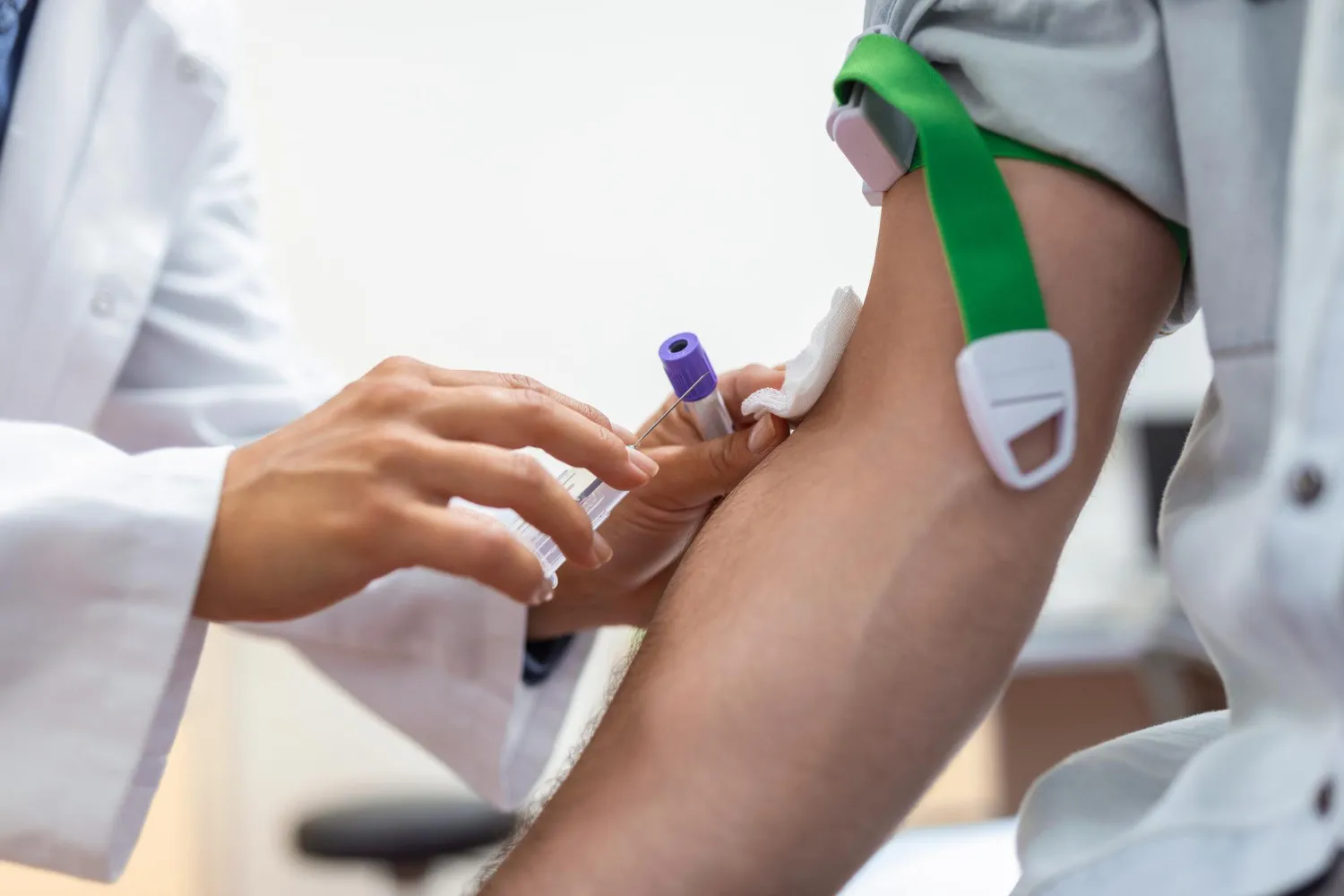
A winter fever blood test can help doctors investigate possible causes of fever, assess changes in blood components and decide whether additional diagnostic investigations are necessary.
Tests such as Complete Blood Count (CBC), dengue investigations, malaria testing and blood cultures may be recommended depending on the symptoms and clinical examination.
But how do you know when a fever needs a blood test? What symptoms should you watch for? And which investigations might your doctor recommend?
Here are six important warning signs and a guide to understanding fever-related diagnostic tests.
1. Understanding Fever and Its Common Causes
Fever is a temporary increase in body temperature, commonly associated with the body’s response to infection or inflammation.
It is not a disease by itself. Instead, it is a symptom that can occur in many medical conditions.
Some common causes include:
Viral infections
Respiratory viruses, influenza and other viral infections can cause fever, body aches, fatigue, sore throat and cough.
Many uncomplicated viral infections improve with supportive care, although certain patients may require medical assessment or specific treatment.
Bacterial infections
Bacterial infections may affect the respiratory tract, urinary tract, gastrointestinal system and other parts of the body.
Depending on the infection, symptoms may include fever, localised pain, chills and weakness.
Mosquito-borne infections
In India, infections such as dengue and malaria may be considered when fever occurs alongside compatible symptoms and relevant exposure.
The doctor will decide whether specific investigations are required.
Other medical conditions
Fever can also occur due to inflammatory conditions, medication reactions and certain non-infectious illnesses.
Therefore, identifying the underlying cause is more important than simply lowering body temperature.
2. Six Warning Signs Your Winter Fever May Need a Blood Test
Not every fever requires laboratory testing. However, certain symptoms should prompt medical evaluation.
Warning Sign 1: Fever That Persists or Keeps Returning
A fever that does not improve, repeatedly returns or becomes worse deserves attention.
Persistent fever may occur with several infections and other medical conditions.
Depending on the patient’s symptoms, a doctor may recommend:
- Complete Blood Count.
- Blood culture.
- Malaria testing.
- Dengue testing.
- Urine examination.
- Other investigations based on clinical findings.
There is no universal rule that every patient with fever lasting three days needs the same set of blood tests.
The decision depends on age, medical history, symptoms, local infection patterns and examination findings.
Warning Sign 2: Fever with Severe Body Pain and Headache
Fever accompanied by severe body pain, headache, joint discomfort or pain behind the eyes may occur in dengue and other viral illnesses.
In regions where dengue is circulating, the doctor may recommend specific dengue investigations.
These include:
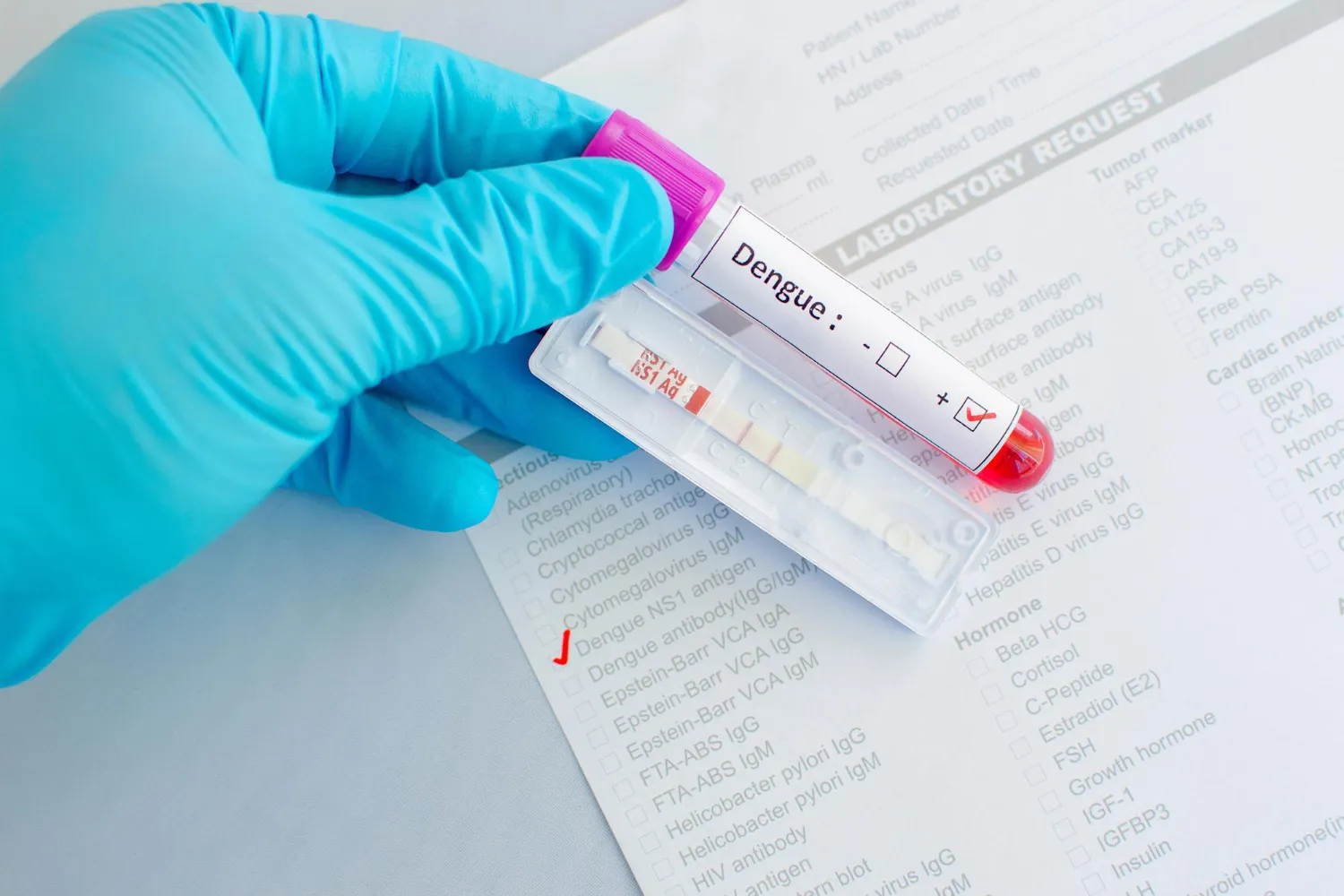
Dengue NS1 Antigen Test
The NS1 antigen test can help identify dengue infection during the early phase of illness.
It is generally most useful during the first several days after symptoms begin.
Dengue IgM Antibody Test
IgM testing detects the body’s immune response to dengue infection. It generally becomes more useful as the illness progresses.
The appropriate investigation depends on the day of illness and clinical findings.
Severe abdominal pain, persistent vomiting, bleeding, unusual drowsiness and cold or clammy skin are important warning signs that require urgent medical attention.
Warning Sign 3: Fever with Chills and Sweating
Fever associated with chills and sweating may occur in several infections.
Malaria is one condition doctors may consider depending on travel history, local transmission and clinical symptoms.
Possible investigations include:
- Peripheral blood smear.
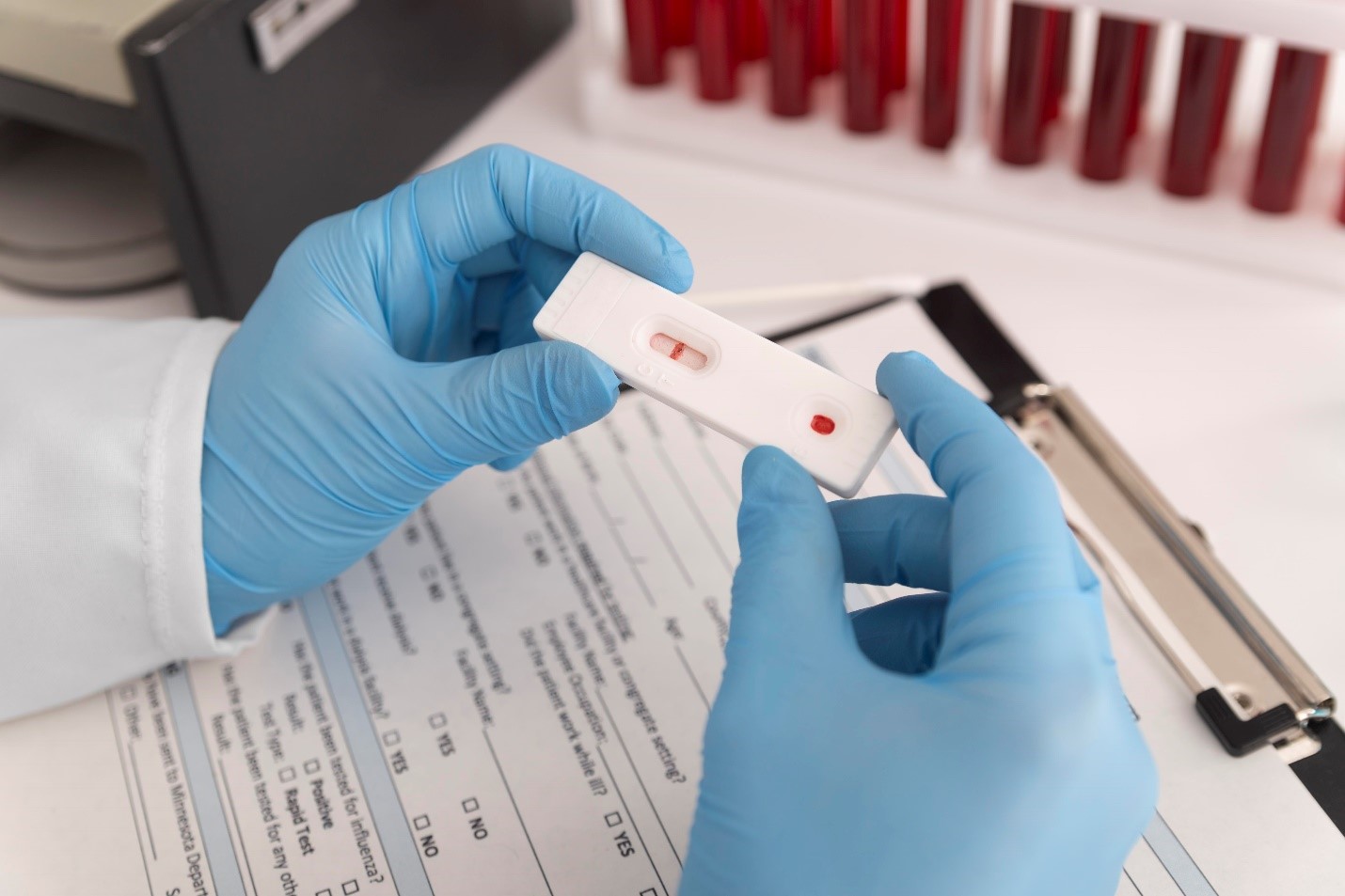
- Malaria rapid diagnostic test.
- Other investigations based on the clinical picture.
A blood smear allows trained laboratory professionals to examine a blood sample for malaria parasites.
A rapid diagnostic test detects specific parasite antigens.
If the first test is negative but clinical suspicion remains, a doctor may recommend repeat or additional testing.
Warning Sign 4: Fever with Skin Rash, Bleeding or Unusual Bruising
A fever accompanied by a rash, unusual bruising, nosebleeds or bleeding gums needs prompt medical assessment.
These symptoms may occur in dengue and several other medical conditions.
A doctor may recommend a CBC to assess:
- Haemoglobin.
- White blood cell count.
- Platelet count.
- Haematocrit.
Platelet count is particularly relevant in the assessment of suspected dengue, but it should never be interpreted in isolation.
A platelet result alone cannot confirm dengue or determine the severity of every infection.
If bleeding, severe abdominal pain, persistent vomiting, drowsiness or breathing difficulty occurs, seek urgent medical care.
Warning Sign 5: Fever with Extreme Weakness or Dehydration
Fever can increase fluid loss, particularly when accompanied by sweating, vomiting or diarrhoea.
Symptoms of dehydration may include:
- Dry mouth.
- Reduced urine output.
- Dizziness.
- Unusual tiredness.
- Increased thirst.
- Difficulty retaining fluids.
Depending on the patient’s condition, a doctor may recommend:
- CBC: To evaluate blood cell counts and other relevant parameters.
- Kidney Function Tests: To assess kidney-related parameters such as creatinine.
- Electrolyte Tests: To assess important minerals such as sodium and potassium.
Severe dehydration requires urgent medical treatment.
Warning Sign 6: Fever with Cough, Chest Pain or Breathing Difficulty
Fever accompanied by persistent cough, chest discomfort or breathing difficulty may indicate a respiratory infection.
Possible causes include influenza, bronchitis, pneumonia and other respiratory conditions.
Depending on the clinical findings, the doctor may recommend:
- CBC.
- Relevant respiratory infection testing.
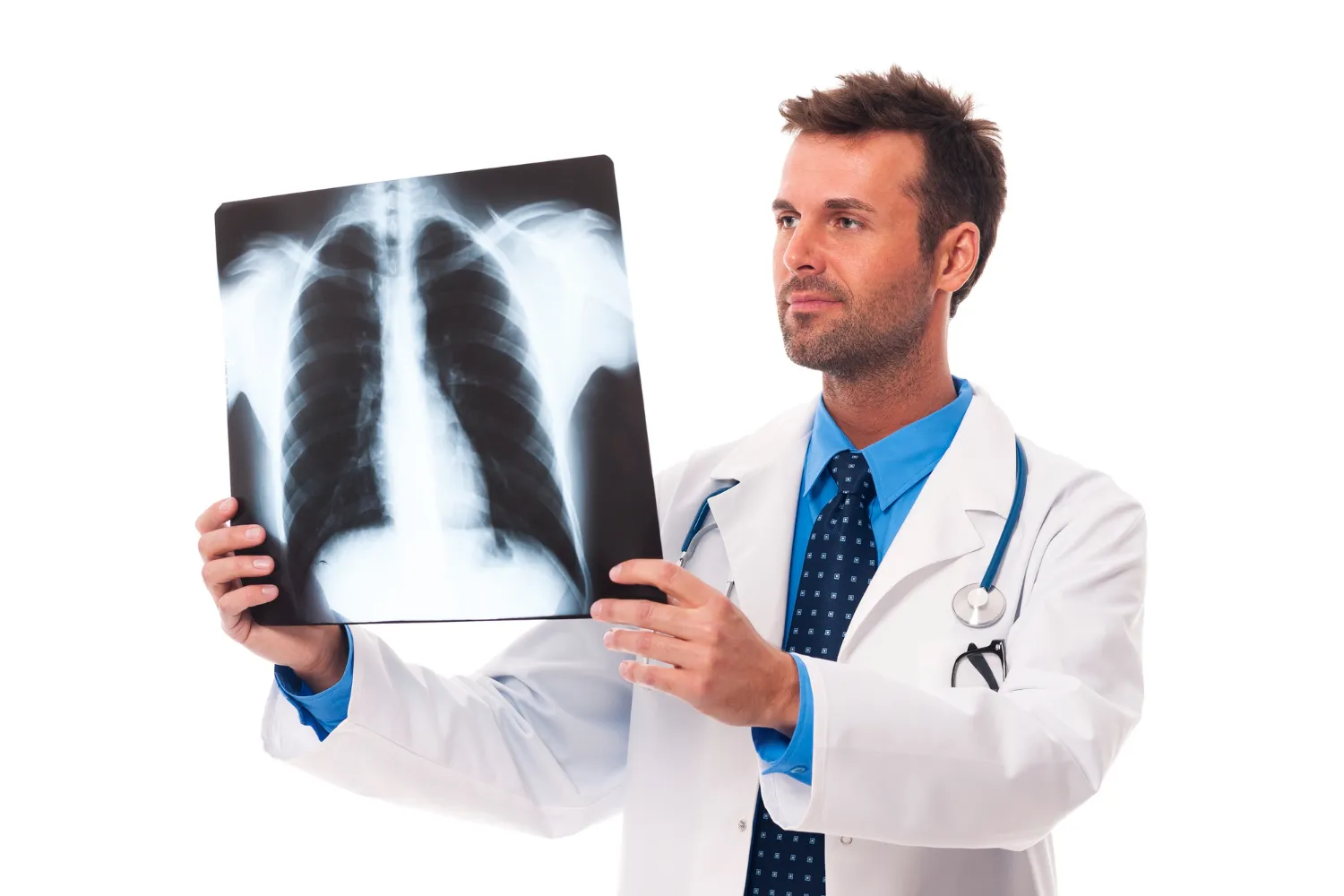
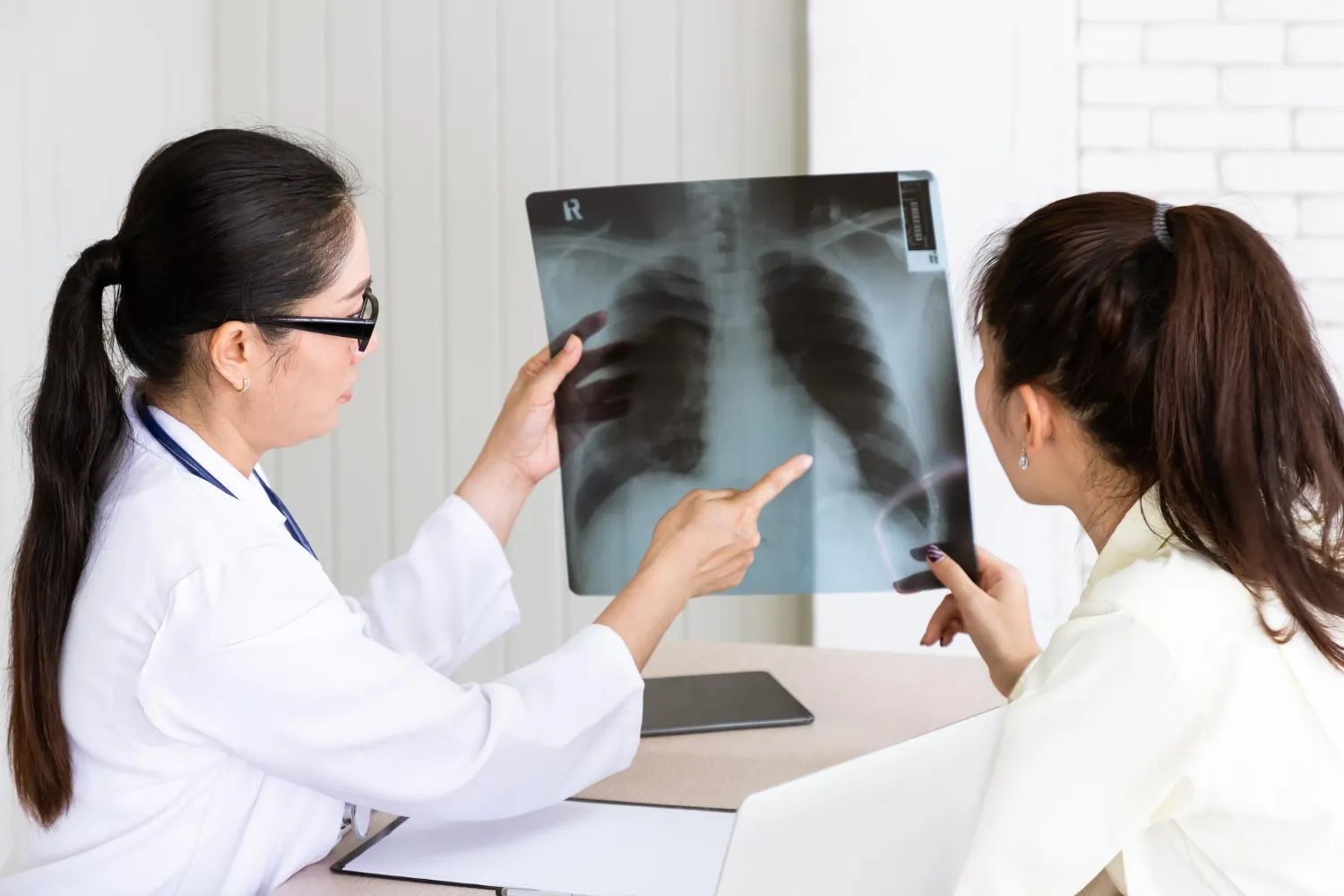
- Chest X-ray.
- Other investigations as required.
Severe breathing difficulty, bluish lips, confusion or significant chest pain requires emergency medical attention.
3. Which Blood Tests Are Commonly Recommended for Fever?
There is no single fever panel suitable for every patient.
The doctor selects investigations based on symptoms, illness duration, examination findings and suspected infection.
| Diagnostic Test | What It Helps Assess |
|---|---|
| CBC | Blood cell counts, including white blood cells and platelets |
| Dengue NS1 | Evidence of dengue infection during the early phase |
| Dengue IgM | Immune response associated with dengue |
| Malaria Smear | Presence of malaria parasites |
| Malaria RDT | Malaria-related parasite antigens |
| Blood Culture | Possible bacterial growth in the bloodstream |
| Liver Function Tests | Liver-related parameters |
| Kidney Function Tests | Kidney-related parameters |
| Urine Examination | Possible urinary infection and other urinary abnormalities |
Not every patient needs all these tests.
For example, a patient with suspected urinary infection may require urine testing, while someone with symptoms suggesting malaria may need malaria-specific investigations.
4. What Is a CBC Test and Why Is It Important During Fever?
A Complete Blood Count is one of the commonly requested investigations during fever evaluation.
It provides information about different blood components.
White Blood Cells
White blood cells are part of the body’s immune system.
Changes in white blood cell counts may occur during infections, inflammatory conditions and other medical problems.
However, a white blood cell count cannot independently confirm whether an infection is viral or bacterial.
Red Blood Cells and Haemoglobin
Red blood cells carry oxygen throughout the body.
Haemoglobin levels help evaluate anaemia and other blood-related abnormalities.
Platelets
Platelets help blood clot.
A reduced platelet count may occur in dengue and several other conditions.
Doctors interpret platelet counts alongside symptoms, examination findings and other test results.
Haematocrit
Haematocrit represents the proportion of blood volume occupied by red blood cells.
It may provide useful information during the evaluation of certain illnesses, including dengue, when interpreted with other clinical findings.
5. Viral Fever vs Bacterial Fever: What Is the Difference?
Viral and bacterial infections can cause similar symptoms.
| Parameter | Viral Infection | Bacterial Infection |
|---|---|---|
| Cause | Viruses | Bacteria |
| Symptoms | Fever, body aches, fatigue and respiratory symptoms | Fever, localised pain or other infection-related symptoms |
| Diagnosis | Clinical assessment and selected tests | Clinical assessment and selected tests |
| Treatment | Depends on the specific virus | Antibiotics may be needed when indicated |
| Antibiotic use | Generally ineffective against viruses | May be required for bacterial infections |
A CBC alone cannot reliably differentiate all viral and bacterial infections.
In certain cases, doctors may recommend cultures, molecular tests, antigen tests or other investigations.
Antibiotics should not be started without appropriate medical advice. Unnecessary antibiotic use contributes to antimicrobial resistance.
6. When Should You Get a Fever Blood Test?
You should consider consulting a doctor when:
- Fever persists or becomes worse.
- Fever returns after initial improvement.
- Severe body pain develops.
- There is a rash or unusual bruising.
- Persistent vomiting occurs.
- There are symptoms of dehydration.
- Fever is accompanied by breathing difficulty or chest pain.
- You have an underlying medical condition that increases the risk of complications.
Children, older adults, pregnant women and people with weakened immunity may require earlier medical assessment.
Do not wait for routine blood test results if emergency symptoms are present.
7. How to Prepare for a Fever Blood Test
Most fever-related investigations do not require fasting, but preparation depends on the specific tests requested.
Before visiting a diagnostic laboratory:
- Carry your doctor’s prescription, if available.
- Inform the laboratory about the tests advised.
- Share relevant medication and medical history.
- Mention any previous diagnostic reports.
- Follow specific preparation instructions for individual tests.
For example, certain glucose or lipid investigations may require fasting, whereas a CBC generally does not.
The laboratory can guide you regarding sample collection requirements.
8. Why Should You Avoid Self-Prescribing Fever Medication?
Fever may have several causes, and treating the symptom without understanding the underlying condition can delay appropriate care.
Avoid starting antibiotics without a prescription.
Do not assume every fever is viral, dengue, malaria or typhoid based on symptoms alone.
Your doctor may recommend specific investigations before deciding on treatment.
Also, some medicines may be unsuitable for certain infections or patients. For example, aspirin and certain anti-inflammatory medicines are generally avoided when dengue is suspected because of bleeding risk. Ask your doctor about appropriate fever management.
Conclusion
Fever is often caused by common infections, but persistent, worsening or unusual symptoms should never be ignored.
A properly selected winter fever blood test can support medical evaluation and help doctors investigate possible causes.
Tests such as CBC, dengue investigations, malaria testing, blood cultures and kidney function tests may be recommended depending on the patient’s condition.
The most important step is to consult a qualified healthcare professional rather than self-diagnosing or ordering unnecessary investigations.
TruScan Diagnostics – JP Nagar, Bengaluru
For information about available laboratory investigations and diagnostic services, contact TruScan Diagnostics.
- JP Nagar 7th Phase: Manvi Arcade, WGHCS Layout, behind Ever Fine Supermarket, JP Nagar 7th Phase, Bengaluru 560078
- JP Nagar 2nd Phase: 213, 9th Cross Rd, KSRTC Layout, JP Nagar 2nd Phase, Bengaluru 560078
- Phone: +91 8956 600 600 (WhatsApp available)
- Website: truscan.in
- Instagram: @truscandiagnosticsofficial
- Facebook: facebook.com/truscandiagno
- Open 24 Hours
This article provides general health information and is not a substitute for medical assessment. Do not self-diagnose, self-medicate or delay urgent medical care.
Frequently Asked Questions
Which blood test is best for fever?
CBC is commonly used as part of fever evaluation, but there is no single best test for everyone. Additional investigations depend on the suspected cause.
Should I get a CBC if I have fever for three days?
A doctor may recommend CBC depending on your symptoms and examination findings. Fever duration alone does not determine whether a test is necessary.
Can a blood test identify viral or bacterial fever?
Blood tests can provide useful information, but no single routine blood test reliably distinguishes all viral and bacterial infections.
When should dengue testing be done?
The appropriate dengue test depends on the day of illness. NS1 antigen testing is generally useful early, while IgM testing becomes more useful later.
Can malaria be detected through a blood test?
Yes. Malaria can be investigated using peripheral blood smear microscopy or an appropriate rapid diagnostic test.
Is a fever panel necessary for every patient?
No. Doctors select investigations according to symptoms, exposure history and clinical examination.
Does CBC detect typhoid?
CBC may show changes associated with infection, but it cannot confirm typhoid. Specific diagnostic evaluation is required when typhoid is suspected.
When should I seek emergency care for fever?
Seek emergency care for difficulty breathing, confusion, loss of consciousness, severe dehydration, significant bleeding or other severe symptoms.