

Pneumonia or Just a Lingering Cough? 5 Signs That Need a Chest X-Ray

A cough is one of the most common symptoms of respiratory infections. It may develop due to a common cold, influenza, bronchitis or other respiratory conditions. In many cases, a cough gradually improves as the body recovers.
However, a persistent or worsening cough accompanied by fever, chest pain or breathing difficulty may require further medical evaluation.
One investigation doctors may recommend is a chest X-ray for pneumonia.
A chest X-ray helps doctors examine the lungs and identify certain abnormalities that may be associated with pneumonia and other respiratory conditions.
Pneumonia is an infection that affects the lungs and can range from mild to serious. Early medical assessment is particularly important for older adults, young children and people with underlying health conditions.
But how do you know whether a lingering cough needs medical attention? What are the warning signs of pneumonia? And when might a chest X-ray be recommended?
Here are five important signs to understand.
1. What Is Pneumonia?
Pneumonia is an infection that causes inflammation in the lungs, particularly in the small air sacs called alveoli.
Under normal conditions, these air sacs help oxygen enter the bloodstream and remove carbon dioxide.
During pneumonia, the air sacs may fill with fluid or inflammatory material, making breathing difficult in some patients.
Pneumonia can be caused by different microorganisms, including:
- Bacteria.
- Viruses.
- Fungi.
The symptoms and severity vary depending on the cause, age and overall health of the individual.
Common symptoms of pneumonia
People with pneumonia may experience:
- Cough, sometimes with mucus.
- Fever or chills.
- Shortness of breath.
- Chest pain, particularly while breathing or coughing.
- Fatigue.
- Reduced appetite.
- General weakness.
Older adults may sometimes experience confusion, reduced alertness or unusual weakness rather than typical symptoms.
Not everyone with pneumonia develops all these symptoms.
2. Pneumonia or Common Cold: How Are They Different?
A common cold usually affects the upper respiratory tract, including the nose and throat.
Pneumonia affects the lungs and may produce more significant respiratory symptoms.
| Symptom | Common Cold | Pneumonia |
|---|---|---|
| Cough | Usually mild or moderate | May be persistent and sometimes productive |
| Fever | Often absent or mild | May be present |
| Breathing difficulty | Uncommon | Can occur |
| Chest pain | Less common | May occur during breathing or coughing |
| Fatigue | Usually mild | Can be significant |
| Medical evaluation | Often improves with supportive care | May require medical assessment and investigations |
These are general patterns, not diagnostic rules.
Symptoms can overlap, and some people with pneumonia may initially appear to have an ordinary respiratory infection.
A doctor may need to examine the patient and recommend appropriate investigations.
3. Five Signs That May Require a Chest X-ray
A chest X-ray is not necessary for every cough. However, doctors may recommend one when symptoms and examination findings suggest possible lung involvement.
Sign 1: Persistent or Worsening Cough
A cough that does not improve, becomes worse or returns after initial improvement may require further assessment.
A persistent cough can have several possible causes, including:
- Respiratory infections.
- Bronchitis.
- Pneumonia.
- Asthma.
- Allergies.
- Gastro-oesophageal reflux.
- Other lung conditions.
A cough lasting several weeks should be medically evaluated, especially if accompanied by fever, unexplained weight loss or breathing problems.
Depending on the examination, your doctor may recommend a chest X-ray to investigate possible lung abnormalities.
A normal chest X-ray does not rule out every possible cause of persistent cough.
Sign 2: Fever Along with Cough
A cough accompanied by fever may indicate an ongoing respiratory infection.
In some cases, the infection may involve the lungs.
Additional symptoms can include:
- Chills.
- Body aches.
- Weakness.
- Reduced appetite.
- Chest discomfort.
If fever persists or is associated with worsening cough, weakness or other concerning symptoms, consult a doctor.
A chest X-ray may be recommended to look for signs of pneumonia or other abnormalities.
Depending on the clinical findings, the doctor may also recommend blood tests or respiratory infection testing.
Sign 3: Shortness of Breath
Difficulty breathing should never be ignored.
Shortness of breath may occur due to several conditions, including pneumonia and other lung or heart-related problems.
Symptoms may include:
- Feeling breathless during normal activities.
- Faster-than-usual breathing.
- Difficulty taking a deep breath.
- Reduced exercise tolerance.
- Unusual fatigue associated with breathing.
A doctor may recommend chest imaging and additional investigations depending on the patient’s condition.
Important: Severe or sudden breathing difficulty requires immediate medical attention. Do not wait for a routine chest X-ray appointment.
Sign 4: Chest Pain While Coughing or Breathing
Chest discomfort associated with coughing or deep breathing can occur in respiratory infections and other medical conditions.
Possible causes include:
- Pneumonia.
- Inflammation around the lungs.
- Chest muscle strain caused by repeated coughing.
- Other respiratory conditions.
- Cardiovascular problems.
A chest X-ray may help evaluate certain lung and chest abnormalities.
However, not all causes of chest pain are visible on a chest X-ray.
Severe, sudden or unexplained chest pain requires urgent medical assessment rather than relying on imaging alone.
Sign 5: Blood in Sputum or Significant Weakness
Coughing up blood, even in small quantities, should be medically evaluated promptly.
Blood in sputum can occur in respiratory infections and other lung conditions, but it should never be dismissed as a normal symptom.
Other concerning symptoms include:
- Persistent high fever.
- Unusual weakness.
- Worsening respiratory symptoms.
- Unexplained weight loss.
- Reduced ability to perform daily activities.
- Recurrent respiratory infections.
Your doctor will assess the symptoms and decide whether a chest X-ray, CT scan, blood tests or other investigations are required.
Significant bleeding, severe breathlessness or other emergency symptoms require immediate care.
4. How Does a Chest X-ray Help Detect Pneumonia?
A chest X-ray produces images of the lungs, heart, airways and chest wall. How radiography is used depends on the symptoms and the question the doctor needs to answer.
When pneumonia is suspected, it may help doctors identify areas of abnormal lung opacity that could be associated with infection.
What can a chest X-ray show?
A chest X-ray may help evaluate:
- Lung opacities: Areas that appear denser than normal may be associated with infection or other lung conditions.
- Fluid around the lungs: A chest X-ray may identify pleural effusion, which is fluid accumulation in the space surrounding the lungs.
- Other chest abnormalities: It may reveal certain structural changes and other possible explanations for symptoms.
- Changes over time: When clinically indicated, follow-up imaging may help evaluate changes in selected conditions.
Can a chest X-ray confirm pneumonia?
Chest X-ray findings can support a diagnosis of pneumonia, but they must be interpreted alongside the patient’s symptoms, examination and medical history.
An abnormal shadow does not automatically mean pneumonia.
Similarly, early pneumonia may not always be clearly visible on the initial X-ray.
If clinical suspicion remains high, the doctor may recommend additional evaluation or imaging.
5. What Is the Difference Between Pneumonia, Bronchitis and Walking Pneumonia?
These conditions can produce similar symptoms, but they affect different parts of the respiratory system.
Pneumonia
Pneumonia affects the lung tissue and air sacs.
Symptoms may include fever, cough, shortness of breath, fatigue and chest discomfort.
Depending on severity and suspected cause, treatment may require medical supervision and specific medication.
Bronchitis
Bronchitis involves inflammation of the bronchial airways.
It commonly causes coughing, sometimes with mucus.
Acute bronchitis is often caused by viruses and may improve without antibiotics.
A chest X-ray is not routinely necessary for every uncomplicated case of bronchitis.
Walking Pneumonia
Walking pneumonia is a commonly used term for a generally milder form of pneumonia in which some individuals remain able to continue many daily activities.
It can be associated with certain microorganisms, including Mycoplasma pneumoniae.
Symptoms may develop gradually and include:
- Persistent dry cough.
- Mild fever.
- Fatigue.
- Headache.
- Sore throat.
Despite the term, walking pneumonia is still a form of pneumonia and may require medical assessment.
6. What Happens During a Chest X-ray?
A chest X-ray is generally a quick imaging procedure.
The process usually involves four steps.
Step 1: Preparation
You may be asked to remove jewellery, metal objects or clothing that could interfere with image quality.
The radiology team may provide a gown if necessary.
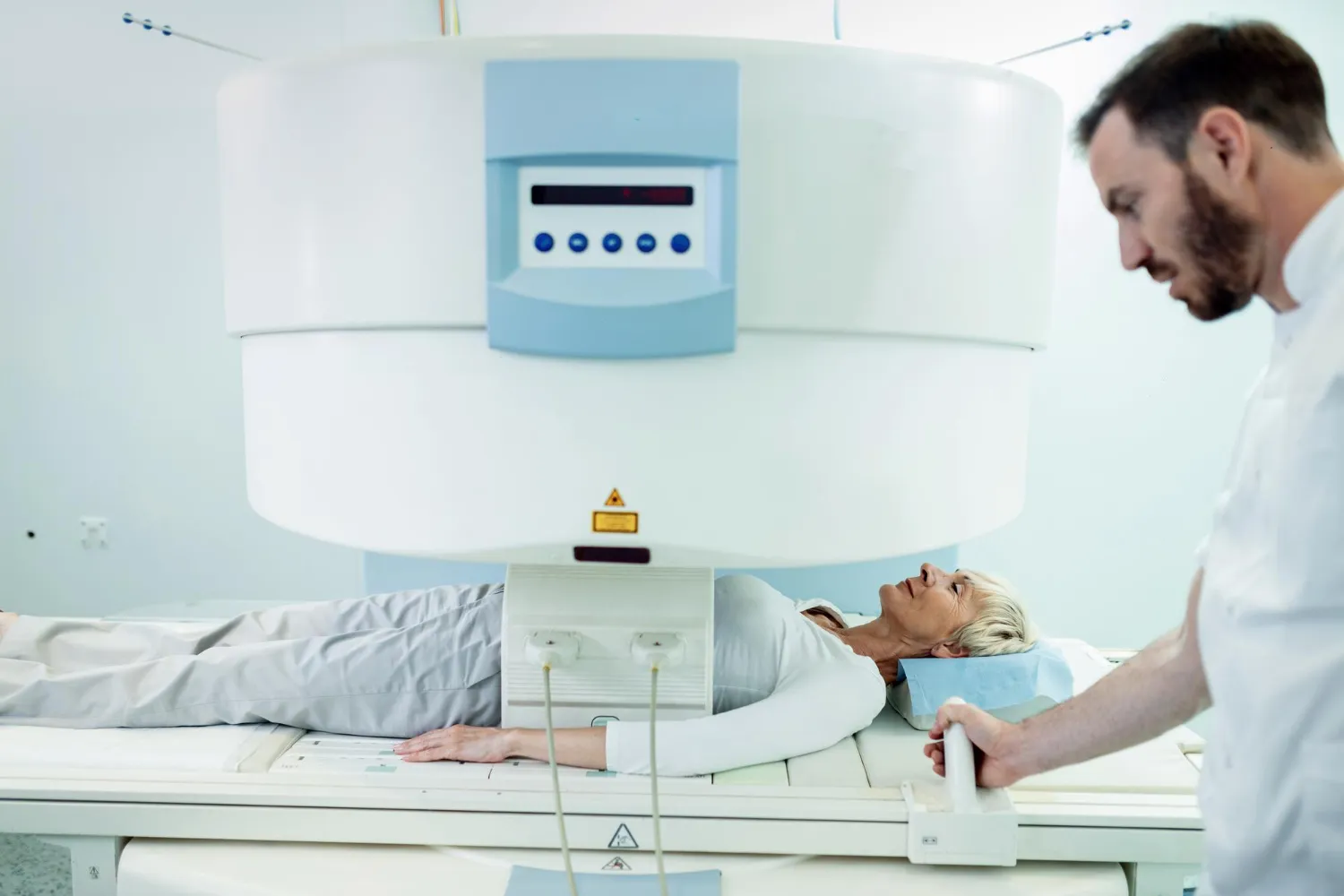
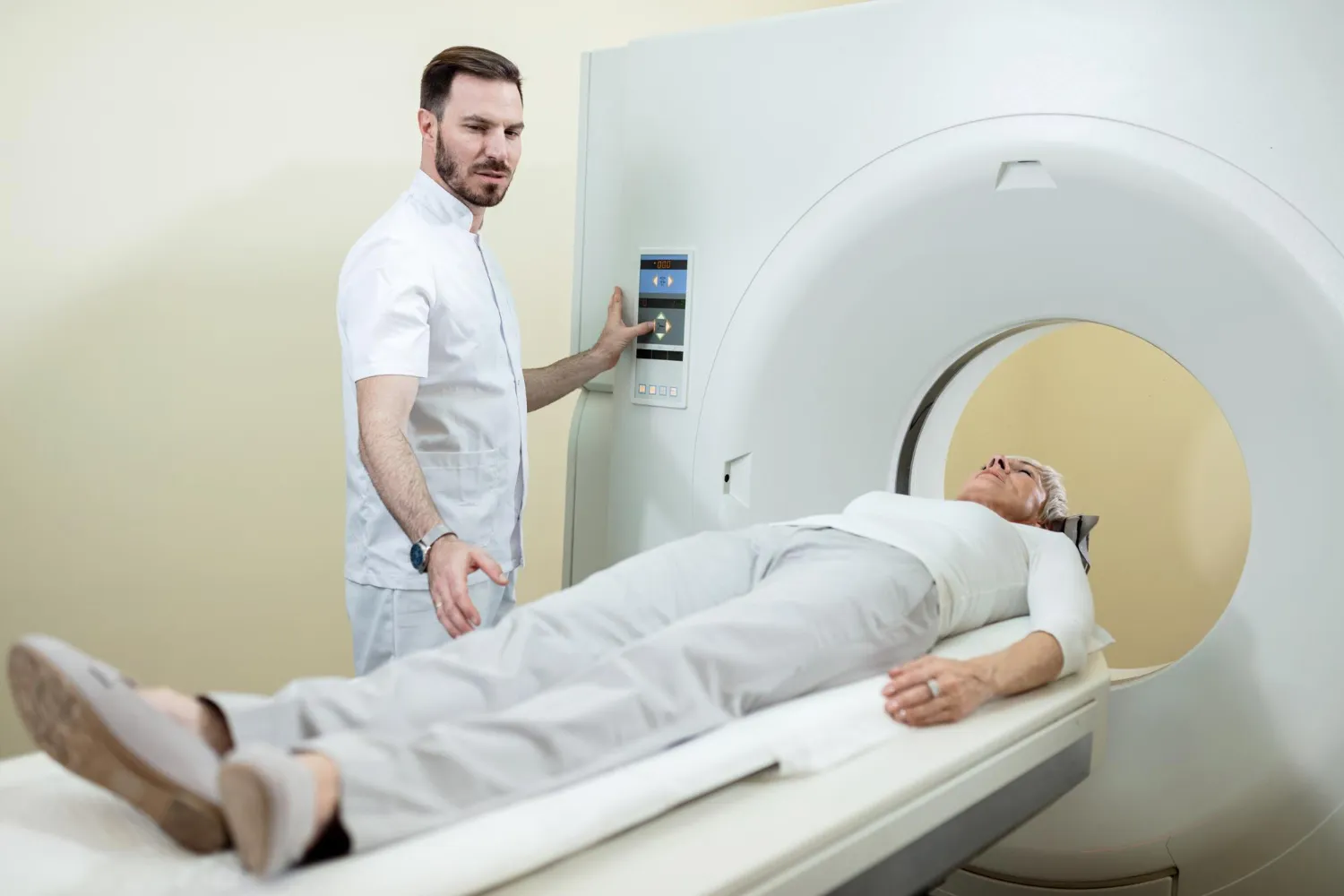
Step 2: Positioning
The radiology technologist will guide you into the appropriate position, usually standing against an imaging detector.
Depending on the clinical requirement, one or more views may be obtained.
Step 3: Image capture
You may be asked to take a deep breath and hold it briefly while the image is captured.
This helps produce a clearer image of the chest.
Step 4: Reporting
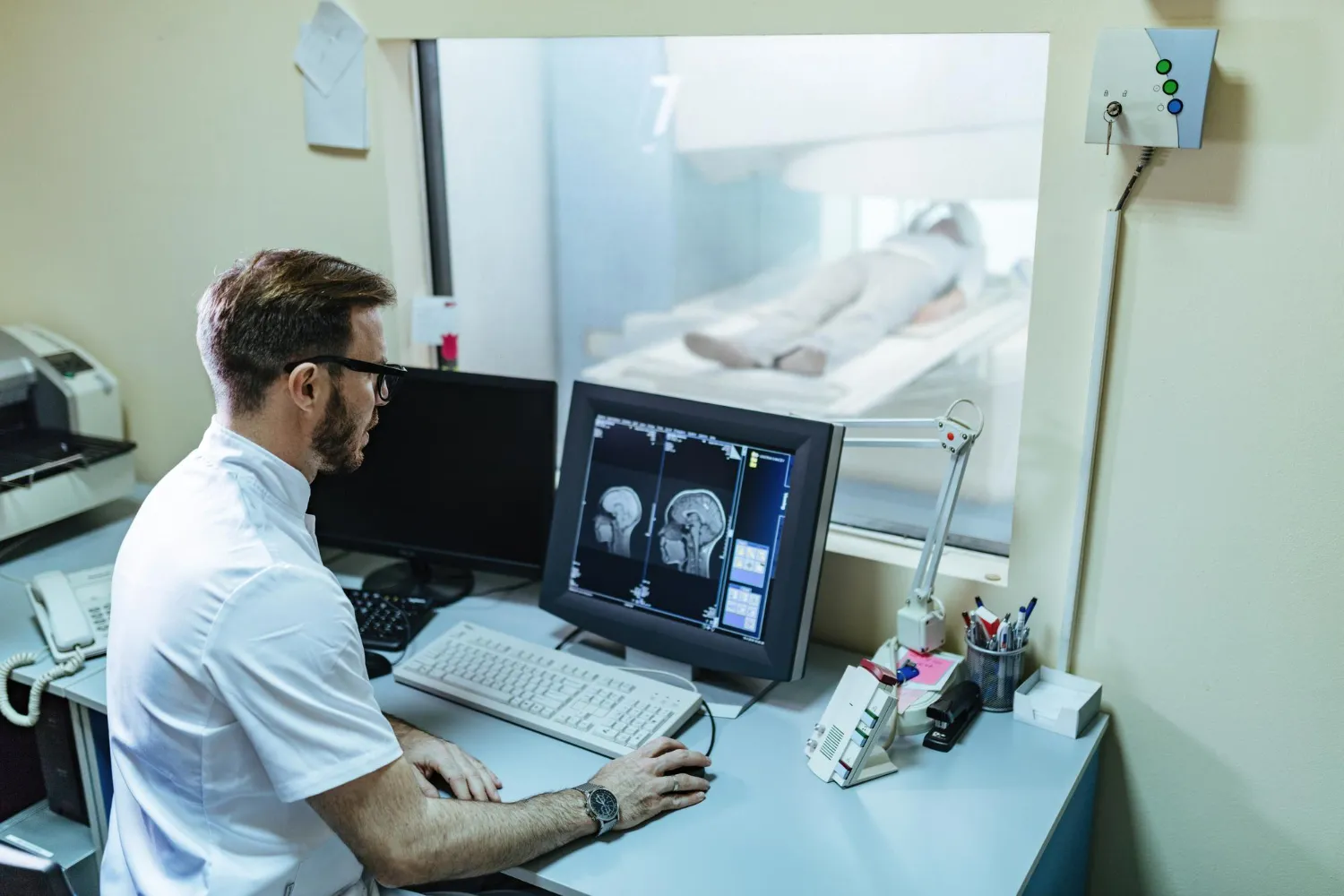
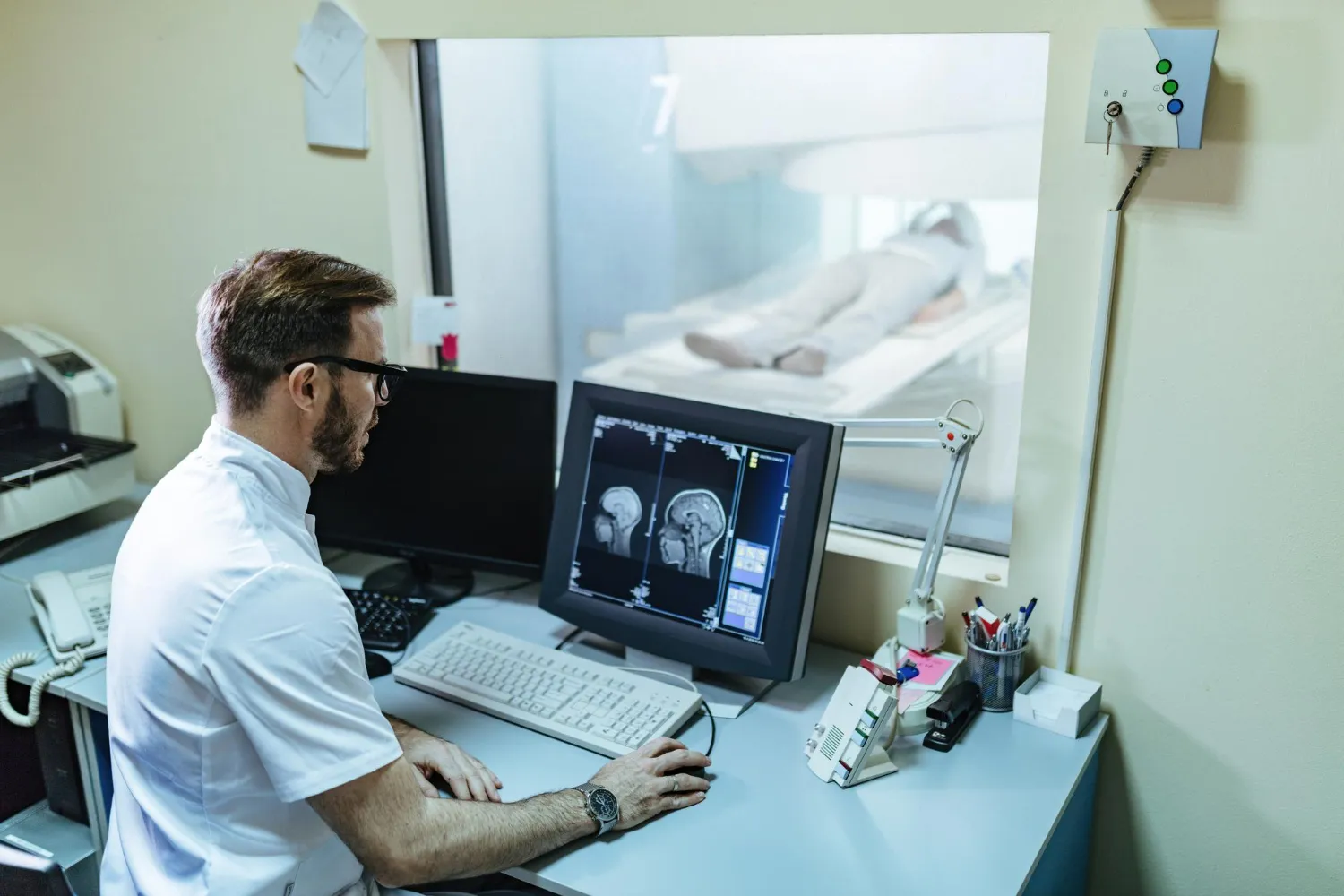
The images are reviewed and interpreted by a radiologist.
The findings are then shared with the referring doctor, who considers them alongside the patient’s symptoms and examination.
If you are pregnant or may be pregnant, inform your doctor and radiology team before the examination.
7. When Is a Chest CT Scan Needed Instead?
A chest X-ray is often an initial imaging investigation when pneumonia or another lung condition is suspected.
However, a doctor may recommend a CT scan when:
- X-ray findings are unclear.
- A complication is suspected.
- More detailed evaluation of lung structures is required.
- An abnormality needs further investigation.
- Another diagnosis needs to be considered.
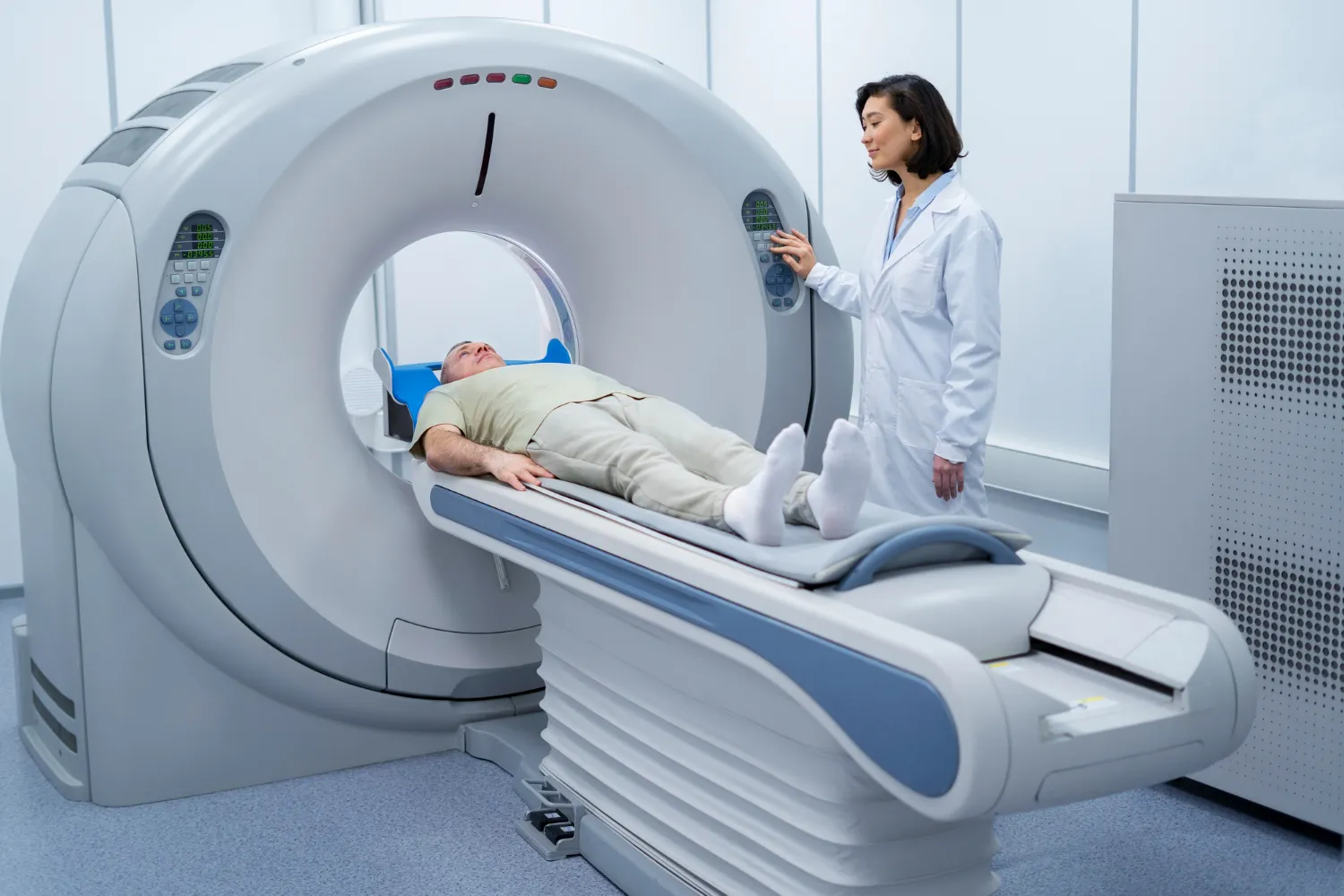
A CT scan of the lungs provides more detailed cross-sectional images of the lungs and surrounding structures.
However, CT scans involve greater radiation exposure than a standard chest X-ray.
A more advanced scan is not automatically better for every patient. The choice should be based on the clinical question and expected benefit.
8. Is a Chest X-ray Safe?
Chest X-rays use ionising radiation.
The radiation dose from a routine chest X-ray is relatively low, although the exact exposure varies with the equipment and imaging protocol.
Radiology professionals use appropriate techniques to minimise exposure while obtaining images suitable for diagnosis.
Important precautions include:
- Inform the radiology team if you are pregnant or may be pregnant.
- Share relevant previous imaging history.
- Follow the instructions provided by the diagnostic centre.
- Avoid unnecessary repeat examinations.
When an imaging examination is medically necessary, its expected diagnostic benefits are considered alongside potential risks.
9. Who Should Be More Careful About Pneumonia?
Some individuals have a higher risk of developing severe respiratory infections or complications.
These include:
- Adults aged 65 years and above.
- Children, particularly very young children.
- People living with diabetes.
- Individuals with chronic lung diseases.
- People with certain heart conditions.
- Individuals with weakened immune systems.
- People undergoing certain cancer treatments.
These groups may need earlier medical evaluation when respiratory symptoms develop.
Vaccination, good hand hygiene and appropriate management of underlying medical conditions can contribute to respiratory health.
Conclusion
A lingering cough is not always a sign of pneumonia, but persistent or worsening symptoms deserve attention.
Fever, chest pain, breathing difficulty and coughing up blood are important warning signs that should not be ignored.
A chest X-ray for pneumonia can provide useful information when recommended by a doctor. It may help identify lung abnormalities and support further clinical assessment.
Timely medical evaluation, appropriate diagnostic investigations and the right treatment plan are important for managing respiratory conditions.
If you or a family member experiences persistent respiratory symptoms, consult a qualified healthcare professional rather than relying on self-diagnosis.
TruScan Diagnostics – JP Nagar, Bengaluru
For information about chest X-ray and other diagnostic imaging services, contact TruScan Diagnostics.
- JP Nagar 7th Phase: Manvi Arcade, WGHCS Layout, behind Ever Fine Supermarket, JP Nagar 7th Phase, Bengaluru 560078
- JP Nagar 2nd Phase: 213, 9th Cross Rd, KSRTC Layout, JP Nagar 2nd Phase, Bengaluru 560078
- Phone: +91 8956 600 600 (WhatsApp available)
- Website: truscan.in
- Instagram: @truscandiagnosticsofficial
- Facebook: facebook.com/truscandiagno
- Open 24 Hours
This article is intended for general educational purposes only. It does not replace medical consultation or diagnosis. Seek urgent care for severe breathing difficulty, significant chest pain or other emergency symptoms.
Frequently Asked Questions
How do I know if my cough is pneumonia?
Pneumonia may cause cough, fever, chills, chest pain, fatigue and shortness of breath. However, these symptoms can occur with other conditions. A doctor may recommend examination and chest imaging to evaluate suspected pneumonia.
When should I get a chest X-ray for a persistent cough?
If your cough is worsening, lasts several weeks or is accompanied by fever, chest pain or breathing difficulty, consult a doctor. A chest X-ray may be recommended based on clinical findings.
Can pneumonia be detected through a chest X-ray?
A chest X-ray can show abnormalities that support a diagnosis of pneumonia. However, findings need to be interpreted alongside symptoms and clinical examination.
What is the difference between pneumonia and bronchitis?
Bronchitis involves inflammation of the bronchial airways, while pneumonia affects the lung tissue and air sacs. Both can cause coughing, but their evaluation and management may differ.
Is a chest X-ray necessary for every cough?
No. Many coughs do not require imaging. A doctor decides whether a chest X-ray is appropriate based on symptoms, physical examination and medical history.
Can a chest X-ray detect lung cancer?
A chest X-ray may identify certain suspicious lung abnormalities, but it cannot reliably rule out lung cancer or serve as a general screening test. Further investigations may be required if an abnormality is found.
Is a chest X-ray safe?
Chest X-rays use a relatively small amount of ionising radiation. They should be performed when medically indicated, using appropriate radiation-safety practices.
Can pneumonia occur without fever?
Yes. Some people, particularly older adults and individuals with weakened immunity, may have pneumonia without a noticeable fever. Other symptoms such as confusion, weakness or breathing difficulty may be present.